
France denies asylum to Wagner whistleblower after presidency-backed evacuation bid
Ephrem Yalike-Ngonzo faced imminent danger, then watched France reverse course and reject his asylum application.
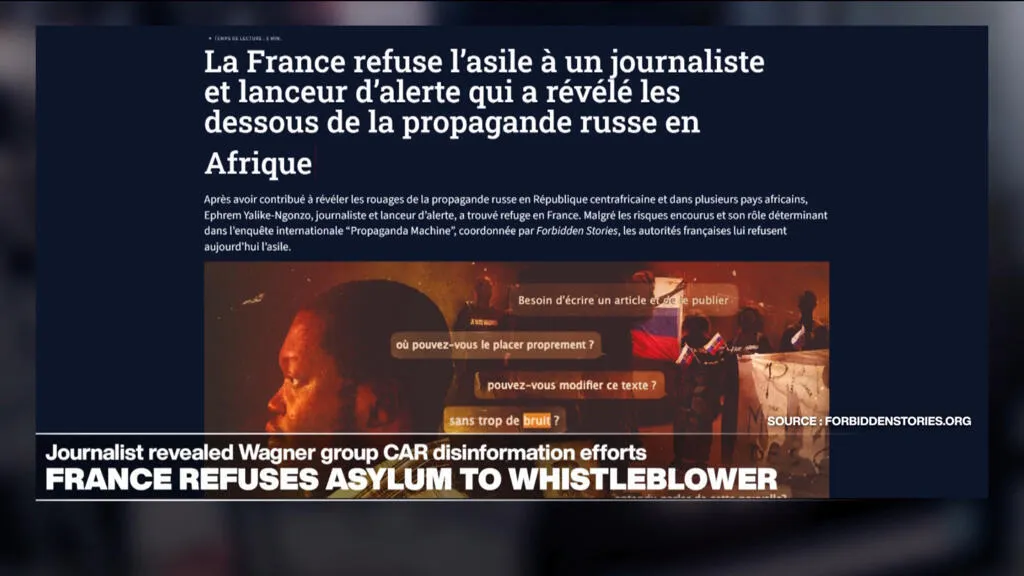
Ephrem Yalike-Ngonzo, a former participant in Russia's disinformation campaign in the Central African Republic and a Wagner-linked whistleblower, helped expose operations of a disinformation network across Africa. After an intervention reportedly supported by the French presidency to evacuate him and his family, French authorities abruptly rejected his asylum application.
Ephrem Yalike-Ngonzo helped expose Wagner-linked disinformation operations across Africa. Then France abruptly changed course and rejected his asylum application, even after an intervention reportedly supported by the French presidency aimed to evacuate him and his family from imminent danger.
That reversal is the story here, and it matters far beyond the individual case. It sits at the uncomfortable intersection of journalism, national security, and France's complex asylum policy, with the French state trying to manage threats while deciding what to do with the people who know where the threat comes from.
For Spotlight, journalist Lea Perruchon of Forbidden Stories describes the collision of competing interests at the center of this case. On one side: the value of reporting and testimony that can reveal how influence operations work, including disinformation campaigns tied to Russia and linked to Wagner. On the other: the institutional priority of national security, where authorities weigh risks, legal standards, and the political and operational consequences of granting protection.
Ephrem Yalike-Ngonzo is described as a former participant in Russia's disinformation campaign in the Central African Republic who later turned whistleblower. The testimony he offered is presented as “crucial” in uncovering Wagner-linked disinformation network operations across Africa. The source also frames a key sequence: following an intervention reportedly supported by the French presidency to evacuate him and his family from imminent danger, French authorities then rejected his asylum application.
If you are an executive or board member in a company that touches public information, defense-adjacent services, media, or risk and compliance, this is a stress test for how governments operationalize policy under pressure. The asylum system is not just a bureaucratic process; it is a high-stakes decision with downstream effects. In cases like this, authorities do not only decide whether someone remains in France. They also decide whether the state is effectively validating a protected pathway for insiders who defect from disinformation operations. That sends signals to other potential whistleblowers, and it also shapes how NGOs, journalists, and investigators decide whether to invest effort in bringing such testimony forward.
There is another governance dimension, too. France is managing two obligations that can pull in opposite directions. National security processes often move with urgency, and when danger is imminent, governments act quickly. As described in the source, the reported presidency-backed evacuation intervention is consistent with a fast-moving security posture. But asylum decisions are legally constrained and can involve different review timelines, different evidentiary thresholds, and different risk assessments. When those two worlds do not line up, you can get the exact kind of reversal described here: help on one track, rejection on another.
For journalists and organizations like Forbidden Stories, the stakes are similarly real. Investigations into influence operations do not just require sources. They require sources who believe they can survive long enough to be heard. Perruchon’s reporting, as summarized by France 24, highlights how asylum policy can either enable testimony that supports accountability or shut down that pipeline. When a whistleblower is evacuated due to imminent danger and later denied asylum, it raises the question of what “protection” means in practice, and which part of the system is driving the final outcome.
The strategic implications extend to anyone building risk models, managing reputational exposure, or advising boards on geopolitical threats. Disinformation networks across Africa are not isolated events. They are part of an influence ecosystem where state-linked operators test narratives, probe vulnerabilities, and attempt to shape decisions. If states signal unpredictability in asylum outcomes for insiders turned whistleblowers, that can change how future defection, cooperation, and disclosure efforts play out. It can also affect how investigative ecosystems function, because the credibility of protective frameworks influences whether sources come forward.
In the end, this case is not only about whether Ephrem Yalike-Ngonzo received asylum. It is about the credibility of the whole system that connects reporting, intelligence risk management, and humanitarian protection. Executives and decision-makers in adjacent sectors should take note, because the operational lesson is clear: when national security meets asylum policy, the process can flip quickly, and the consequences land on people who are trying to expose the threat.
This story's Key Insights and Take-aways are locked.
Create a free account to unlock Executive Actions for one credit.
Register to UnlockAlways free for Executives Club members. Join the Club
More in Politics

LA County: DOJ's 20,000 'noncitizen' voter list is 'unreliable,' includes U.S.-born
Preliminary review by Los Angeles County election officials finds errors in the federal list, raising the stakes for voter roll integrity ahead of November.

Trump's $1.5B Pentagon chip investment lands in North Carolina
A $1.5 billion defense infusion for North Carolina chipmaking signals a new era of Pentagon-backed reshoring - here's what it means for the industry.
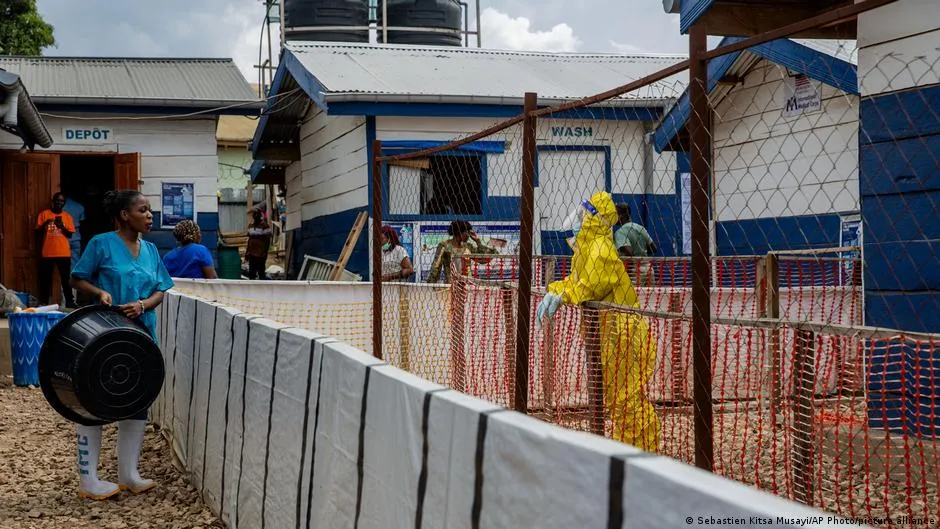
Nigeria confirms first Ebola case in Abuja, a woman just off a Uganda flight
Health Minister Muhammad Ali Pate says the patient flew in from Uganda, putting Africa's latest outbreak on Nigeria's doorstep.