

France vs Morocco again: repeat of Qatar 2-0 and a shot at a third semi-final
The quarter-final rematch four years later puts Les Bleus on the edge of consecutive semis, while Morocco chases a 2022 repeat.

France and Morocco meet this Thursday in the World Cup quarter-finals, four years after France beat Morocco 2-0 in Qatar. For decision-makers tracking high-stakes performance and momentum, this is a test of whether sustained success translates under new tournament conditions.
France and Morocco face off again this Thursday in the World Cup quarter-finals, four years after their semi-final clash in Qatar ended with Les Bleus winning 2-0. The scoreboard from 2022 is gone, of course, but the structure of pressure is not. This time, the prize is not a semi-final place in Doha memories. It is the semi-final itself, on a new calendar, with new matchups and a different kind of gravity in every decision from kick-off to stoppage time.
France are targeting their third consecutive World Cup semi-final, and that ambition matters because it is about consistency, not one-off brilliance. Morocco, meanwhile, will look to repeat their historic 2022 run, a phrase that signals more than nostalgia. It is a reminder that tournaments can be won through momentum, belief, and careful execution under stress, not just through star power or initial favorites. In quarter-finals, the margins tighten, and the ability to manage uncertainty becomes as valuable as raw talent.
If you zoom out from the pitch, this is also a familiar executive tale: how do teams sustain performance across cycles? For France, reaching a third straight World Cup semi-final is an objective that reads like strategy, not hope. It implies a disciplined approach that keeps working even as opponents evolve. In football terms, that often means the squad knows what it is, the coaching staff trusts a repeatable plan, and key players are managed so they peak when the tournament compresses into a final few decisions.
For Morocco, repeating their 2022 run is a different kind of bet. Runs like that tend to be built on problem-solving in real time. The quarter-final stage is where scouting meets adaptation, where one tactical adjustment can flip the whole match. That is why these games feel unusually unpredictable: both teams carry a narrative of success, but their paths to victory likely require different types of execution. France want control. Morocco will likely need to turn moments into advantages and keep France from settling.
There is also a broader industry context here, even if the official paperwork is a lot less glamorous than football highlights. The World Cup is a global product built on competition, broadcasting, and brand equity. When a team like France targets a third consecutive semi-final berth, it signals continuity that broadcasters and sponsors like, because it increases the probability of deep tournament presence. When Morocco aims to repeat their historic 2022 run, it signals upside. That is the same dynamic investors and media strategists watch: sustained contenders stabilize the schedule, while surprise runs create peaks in engagement and cultural momentum.
The regulatory and governance lens is less visible on match day, but it exists. Tournament rules, squad eligibility, and disciplinary frameworks shape risk. In high-stakes knockout games, the cost of a booking or a tactical foul can compound over a single match, and sometimes over a potential next round. That affects how coaches manage players who might be one yellow card away from suspension, and it influences whether teams play for the long haul or gamble for immediate control.
For executives and boards watching in other industries, the parallels are surprisingly direct. These are decisions under time pressure, with reputation and resources on the line. France have a clear measurable target: their third consecutive World Cup semi-final. Morocco have a measurable aspiration too, but it is more momentum-based, built around repeating a historic 2022 pattern. In both cases, success will likely come down to who executes the basics better when the game becomes less forgiving.
So the strategic stakes for peers are simple. France cannot treat this like a rerun of Qatar, because the quarter-final format is different in pressure and consequence. Morocco cannot assume that past momentum will automatically carry forward, because opponents adjust. The teams that win are usually the ones that treat the match as both a present contest and a continuation of a plan. This Thursday, France will try to turn consistency into another semi-final. Morocco will try to turn history into a second act.
This story's Key Insights and Take-aways are locked.
Create a free account to unlock Executive Actions for one credit.
Register to UnlockAlways free for Executives Club members. Join the Club
More in Politics
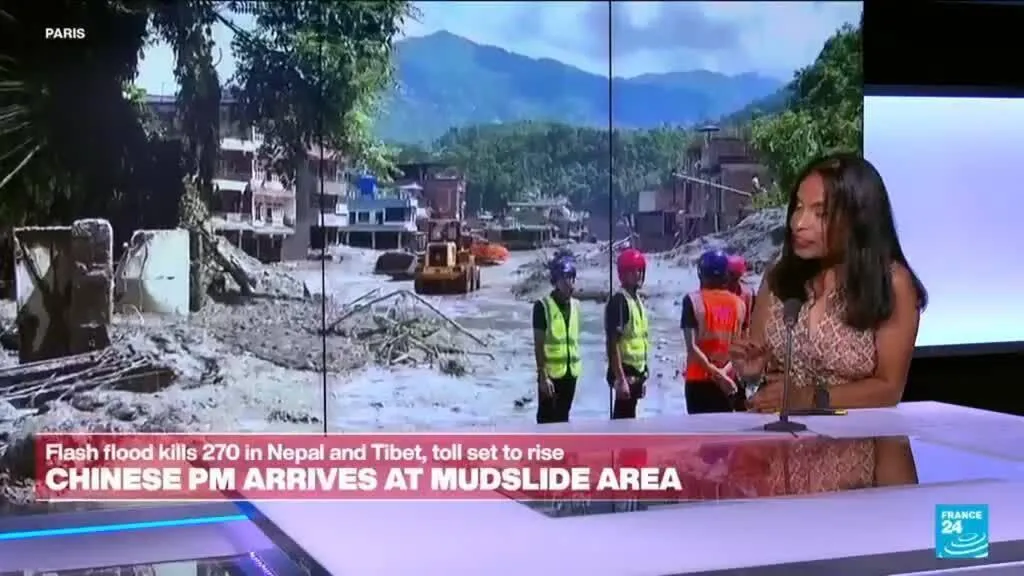
Glacial collapse, not rain, killed 180 in Nepal's Himalayan flood
The Himalaya's extreme geography hid the true cause of Nepal's catastrophic flood, a glacial collapse that turned a geological battleground into a mass-casualty zone.
Iran’s Esmail Baghaei says Oman talks start shipping via Hormuz, not US talks yet
Temporary route plans with Oman aim to restart commerce while Tehran says Washington dialogue is not on the table.
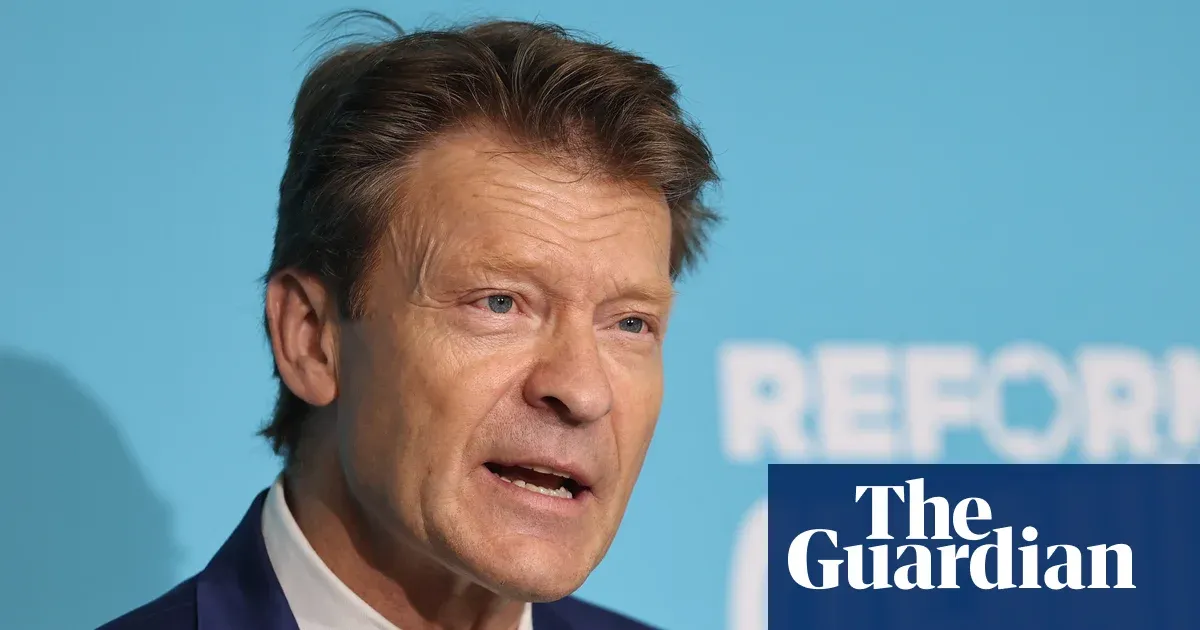
Standards watchdog opens probe into Reform UK deputy leader Richard Tice over interests
The parliamentary standards commissioner says it began an investigation on 28 July into a possible undeclared interest.