
Frasers bids £1.73bn for remaining Hugo Boss stake, after buying just 25%
Mike Ashley's Frasers wants to take full control of Hugo Boss, turning a partial holding into a full acquisition play.

Mike Ashley's retail group Frasers has offered £1.73bn to buy the rest of German fashion brand Hugo Boss. The move matters for dealmakers and boards because it signals a push from minority influence to full ownership at a defined price.
Mike Ashley's retail group Frasers has made an offer of £1.73bn to buy all of Hugo Boss. This is not a brand-new bet on Hugo Boss, either. Frasers already owns just over a quarter of the German fashion company, and now it wants the remainder, shifting from holding a meaningful minority stake to seeking full control.
That difference is everything. Owning a slice can shape outcomes, but it cannot dictate them. Buying the rest changes how decisions get made, what strategy gets prioritized, and which leadership choices carry the day. In plain English, Frasers is trying to go from “we have a voice” to “we steer the ship,” with the £1.73bn bid as the price tag for that control.
To understand why the offer is getting attention, it helps to remember how fashion ownership works when a retailer already holds a meaningful minority. In these situations, the first stage is often about building familiarity and signaling commitment without locking in the full capital outlay. Frasers has apparently reached the point where partial ownership no longer looks efficient. If you already have just over a quarter, the incremental value of the remaining stake is not just economic, it is operational. It is the ability to coordinate sourcing, marketing, and long-term brand investment decisions without bargaining around shareholder splits.
There is also a board dynamic hiding inside the headline. Hugo Boss's board has to consider what a full-company offer would mean for shareholders, for management, and for the company’s longer-term independence. Partial holders and full acquirers can pull in different directions, and minority stakeholders sometimes face limitations when the rest of the shareholder base wants something else. A bid like this pressures that landscape. The board does not only weigh the figure itself, but also whether accepting the bid best protects the interests of shareholders relative to other strategic options that could exist.
Regulatory framing can matter even when the proposal is primarily about corporate control rather than public policy. Mergers and acquisitions that move a buyer from minority ownership to full ownership may attract scrutiny depending on competition and market concentration in relevant areas. Frasers is a retail group. Hugo Boss is a fashion brand with distribution through channels that can intersect with retail, wholesale, and licensing models. Regulators tend to look at whether the deal would reduce competition or allow a single player to foreclose rivals. The bigger the consolidation, the more carefully the transaction tends to be analyzed.
Deal mechanics are another reason executives care. Offers do not automatically become transactions. Even when the headline number is clear, the path from proposal to completion can be shaped by shareholder acceptance thresholds, the willingness of other stakeholders to tender, and any conditions the parties attach to the deal. A defined price like £1.73bn is powerful, but it still has to clear the practical hurdles that come with buying out remaining shareholders.
Second-order implications are also worth flagging. For other retailers and brand holders, a deal like this is a signal about where capital is going in fashion: toward consolidation and control, not just minority exposure. If Frasers can rationalize the economics of owning the whole company, other players may re-evaluate whether minority positions are enough to create value. For boards at publicly traded brands, the message is equally sharp: once a credible bidder already holds just over a quarter, the likelihood of escalation can increase, and the time horizon for “wait and see” gets shorter.
Strategically, Hugo Boss is a premium fashion business where brand positioning and long-term product planning are core. Full ownership by a retailer could open new possibilities for distribution and brand strategy, but it also raises the question of how the company’s identity would be governed under new leadership priorities. For executives watching from adjacent companies, the takeaway is clear. This offer is not just a bid for remaining shares. It is a move that could restructure the balance of power between brand autonomy and owner-led strategy, with the £1.73bn figure setting the negotiation benchmark.
This story's Key Insights and Take-aways are locked.
Create a free account to unlock Executive Actions for one credit.
Register to UnlockAlways free for Executives Club members. Join the Club
More in Business
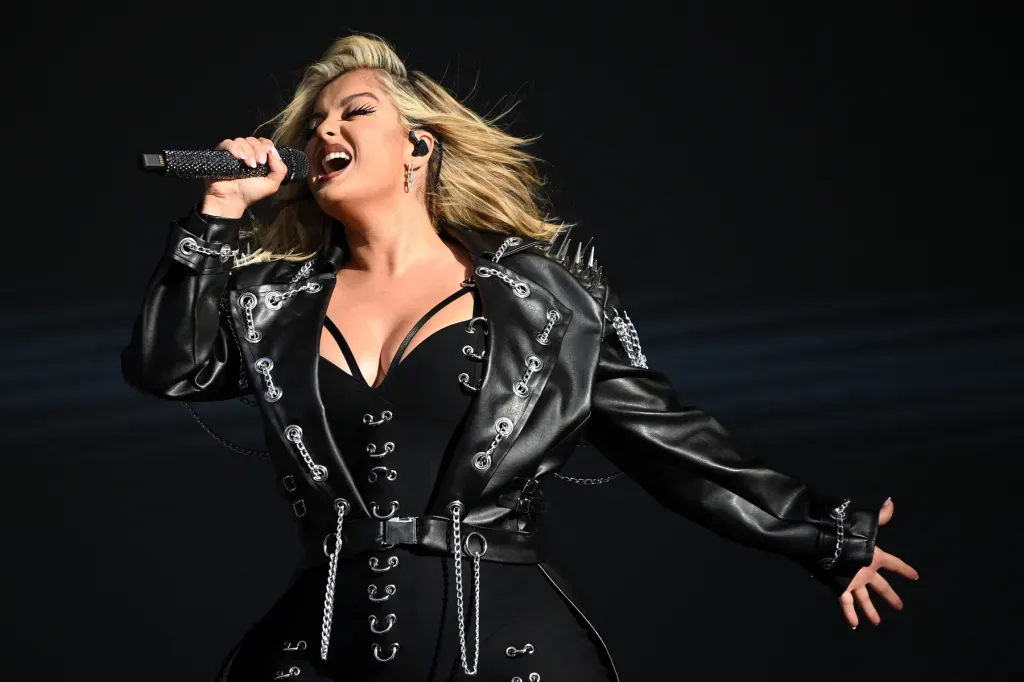
AMC postpones Arena One June shows, refunds tickets, shifts Bebe Rexha-led live rollout
The Arena One at AMC interactive concert series moves later in 2026, with automatic refunds for June ticket buyers.

AI stock “winners” gap hits dotcom-bust extremes as jumbo IPOs pile up
Bank of America sees a valuation spread last seen before March 2000, while listing pace mirrors prior selloff cycles.

Xbox “reset” talk turns into layoffs as CEO pushes five-year investment rethink
Staff are reportedly told to reassess priorities for the next five years, with a push toward self-reliant engineering.