
Frasers offers about €1.98bn to take full control of Hugo Boss
Mike Ashley's group already owns 26% of Hugo Boss, and now wants the rest for near-€2bn.
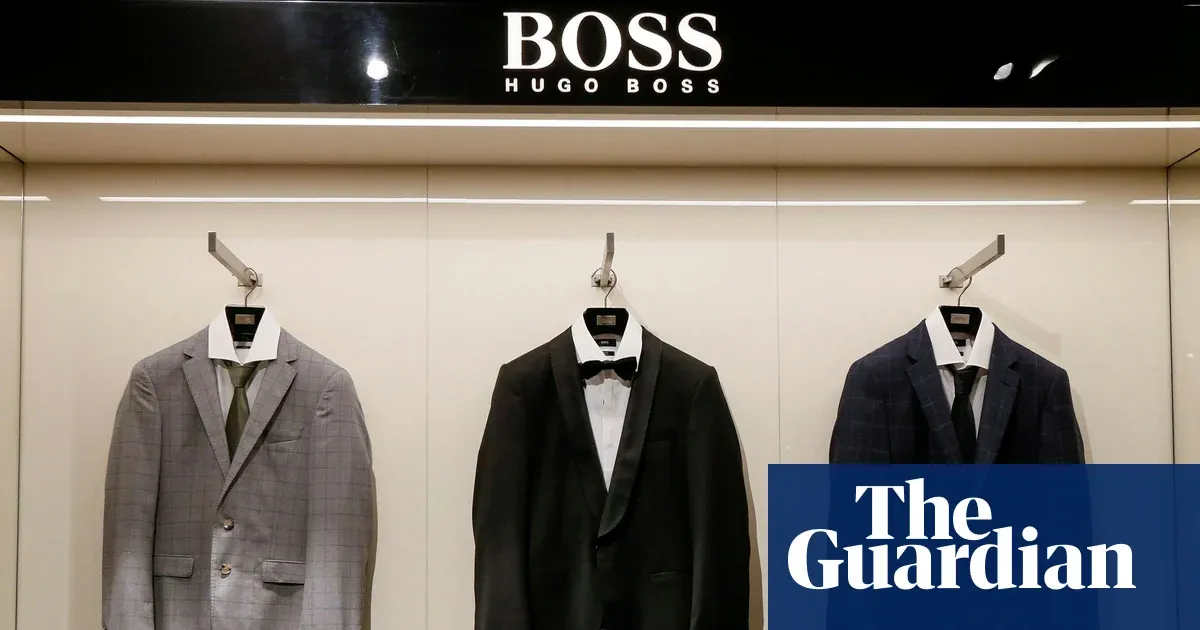
Mike Ashley’s retail group Frasers has launched a takeover bid for Hugo Boss, offering about €1.98bn (around £1.73bn) for the remainder. Because Frasers already owns 26% of the German luxury brand, the move signals a push toward full control with a price tag set near €2bn.
Mike Ashley’s Frasers just put a near-€2bn number on the table for Hugo Boss. The business behind Frasers said it is offering about €1.98bn (£1.73bn) to buy the remainder of Hugo Boss, moving from minority influence to full control.
This matters because Frasers is not arriving as an outsider. It already owns 26% of the German luxury fashion brand, so the offer is essentially a bid to consolidate what it has in one package. In deal terms, that is a big difference: buying the “rest” often means you are solving the coordination problem of partial ownership, board leverage, and long-term strategic direction, not just placing a new bet.
Hugo Boss sits in that familiar luxury fashion tension between brand cachet and operational reality. Luxury brands typically depend on global demand, premium positioning, and tight inventory discipline. When an investor with a meaningful stake decides it wants full control, the underlying question becomes less about whether Hugo Boss looks attractive and more about who gets to steer the brand going forward. Partial ownership can be enough to have a say, but full ownership reduces ambiguity. You get fewer veto points, a clearer chain of command, and more direct control over capital allocation and strategy.
For Frasers, the incentive is straightforward: 26% is influential, but it is not the same as owning the outcomes. With a near-€2bn offer, Frasers is effectively paying to turn its stake into a consolidated position. That can improve decision speed, reduce deal complexity later, and allow the company to align budgets, supply chain choices, and retail partnerships around a single plan. The flip side is that the economics have to work: €1.98bn is a lot of capital to deploy, and the market will expect Frasers to justify the purchase with improved growth, profitability, or both.
There is also a governance and board-dynamics element. When a bidder already has 26% of the target, the power structure can shift fast. The board and major shareholders have to consider whether staying independent preserves optionality or whether resisting a full-control offer simply delays the inevitable. In many European corporate situations, large stake holders can make the process more than ceremonial, because they can influence outcomes even before formal voting. That means Hugo Boss’s decision-makers are not just weighing the offer price, they are also weighing whether rejecting it changes their leverage or caps their ability to negotiate better terms.
Then there is the regulatory backdrop, even without specific regulatory details in the source. A takeover that moves from significant minority ownership to full control usually triggers attention from competition authorities, depending on market overlap and jurisdiction. Even if fashion retail and luxury brand operations do not create a classic monopoly scenario, regulators often still examine how consolidation could affect pricing, distribution, and market power across regions. Executives involved in similar deals know the pattern: more control equals more scrutiny, and more scrutiny can affect timing. That is why the “how” and “when” of the process is often just as important as the “what” of the headline number.
For decision-makers watching from adjacent sectors, this is the kind of deal that changes the playbook. Luxury and premium fashion brands are not immune to consolidation pressure. When a well-capitalized operator sees an asset where it already has a toe-hold, a near-€2bn step to full ownership signals conviction and, potentially, a willingness to manage the brand directly rather than only holding it. It also tells other boards something uncomfortable: if a shareholder can credibly move from 26% to full control, the “stability” of minority positions can be temporary.
Ultimately, Frasers is making a bet on Hugo Boss with a specific price anchor: about €1.98bn for the remainder of the business. The strategic stakes are clear. If the offer proceeds, the result is a full-control owner for Hugo Boss, not just a powerful minority holder. For executives and investors across retail and luxury, that raises the bar for how boards evaluate large-block investors. When €1.98bn is on the line, the question stops being “Is the brand good?” and becomes “Who will run it, and at what speed will they do it?”
This story's Key Insights and Take-aways are locked.
Create a free account to unlock Executive Actions for one credit.
Register to UnlockAlways free for Executives Club members. Join the Club
More in Business

Anthropic’s Levant Alpöge cracks the Jacobian conjecture after 87 years
A Harvard valedictorian used Claude to hit a 1939 breakthrough, but the missing “why” is the real problem.

Uber buys Delivery Hero for nearly $15B, vaulting to top food delivery outside China
The deal doubles Uber's dual-services footprint and pushes a ride-and-eats bundling play into 50 more markets.

Epic and Google drop settlement bid, forcing rival Android app stores by July 22
Google told the court it is ready to carry third-party app stores starting Wednesday, July 22.