
French Interior Minister says Gironde wildfire is contained after burning 42,000 hectares
Containment is in place, but the nine-day damage reset risk models for insurers, utilities, and local governments.

France's Interior Minister says the Gironde wildfire has been brought under control, with flames no longer spreading. The incident burned around 42,000 hectares over the past nine days, a loss scale that will reverberate in planning, insurance, and infrastructure risk.
France has an update that matters more than the headline implies: the wildfire in Gironde has been brought under control, according to the Interior Minister. In plain English, the flames are no longer spreading. After a nine-day stretch, about 42,000 hectares have burned.
That combination, containment plus a 42,000-hectare burn footprint, is the real operational story. Control stops the immediate escalation, but it does not erase what has already happened on the ground. The nine days of fire create a new baseline for land damage, emergency response costs, and follow-on risks like erosion, flooding, and lingering hazards in burned areas. For decision-makers, the question becomes less “is it contained?” and more “what is the cost to recover, insure, and rebuild?”
To understand why this lands on executive desks far beyond the region, zoom out to how wildfires are managed and financed. When a fire is spreading, the focus is firefighting capacity, air and ground operations, evacuation logistics, and day-by-day resource allocation. When a fire is contained, the work shifts toward damage assessment, claims and settlements, and rebuilding decisions that often have tight timelines because permits, remediation, and procurement are not instantly scalable. Even when the flames stop, the operational clock keeps ticking.
For insurers and reinsurers, the scale number is not just a tragic detail. A burn of around 42,000 hectares is large enough to affect how models treat catastrophe risk, including exposure mapping, historical loss assumptions, and the interaction between wind, vegetation, and access for response teams. Executives in finance teams will recognize the downstream effect: wildfire losses do not stay in the headlines. They influence pricing, coverage terms, and underwriting appetite for years, especially in regions that recur in climate and weather patterns.
Utilities, telecom operators, and transport firms have a different kind of exposure, but it is still second-order sensitive. Wildfire events can damage or threaten critical infrastructure directly, but they also disrupt service through road closures, grid constraints, and safety shutdowns during smoke and heat. Containment reduces the active risk, yet recovery still requires inspections, repairs, and safety verification. That can lead to short-term service impacts and medium-term capex decisions.
Local governments and public agencies face a familiar but difficult management transition: from emergency response to recovery governance. Containment helps, because it stabilizes the situation so teams can safely conduct assessments and allocate funds. But the burned area, around 42,000 hectares over nine days, signals long cleanup and rehabilitation work. It also affects budgeting priorities. Recovery competes with everything else city and regional leaders planned for the year, and wildfire damage can crowd out other infrastructure maintenance.
There is also a policy angle executives should keep in mind. Wildfires push governments toward stricter prevention and readiness planning: vegetation management, emergency communications, land-use rules, and investment in firefighting capabilities. The Interior Minister's framing that the flames are no longer spreading is a key public milestone, but it will likely feed into internal reviews of what worked, what failed, and what should be funded next cycle. In other words, containment is the end of the fire's expansion, not the end of the accountability loop.
For boards and leadership teams in adjacent sectors, the strategic stake is straightforward. Wildfire risk is an end-to-end chain of events: operational readiness, emergency response, damage assessment, insurance and finance impacts, and recovery spending. The Gironde update gives a concrete reference point, and it highlights a pattern many organizations learn the hard way. You can win the containment battle and still need to plan for the prolonged cost of what came before it.
Today, France has reached the “no longer spreading” moment. But with around 42,000 hectares burned over the past nine days, the executive work now shifts to quantifying losses and tightening how your organization models, budgets, and responds when the next major event hits.
This story's Key Insights and Take-aways are locked.
Create a free account to unlock Executive Actions for one credit.
Register to UnlockAlways free for Executives Club members. Join the Club
More in Politics
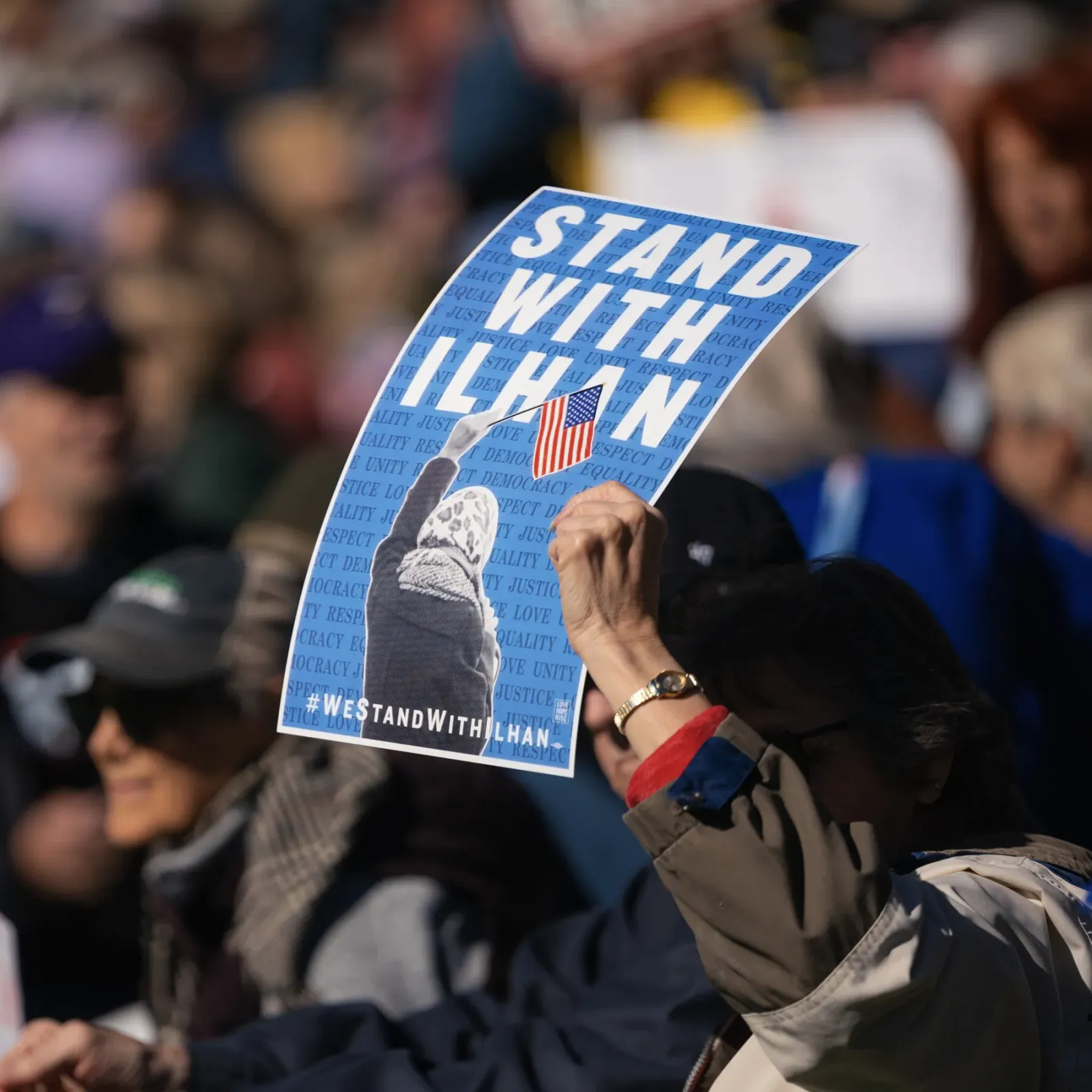
Obama Defends Ilhan Omar After Agents Search Her Home in Trump Inquiry
The former president's intervention raises the stakes in a federal probe into immigration paperwork that has put a prominent progressive lawmaker in the crosshairs.

Blair-era minister: cut welfare to fund youth job support
Alan Milburn's call for welfare cuts to fund employment support opens a Labour fight over benefits and the Neet crisis.

Hot September CPI: energy costs surge, voters feel the squeeze before midterms
The latest inflation print lands as Trump campaigns for GOP control of Congress, putting cost-of-living worries at the center of the midterm fight.