

Frictional Games delays Ontos to 2027, choosing delivery over speed on its ambitious vision
The Soma and Amnesia studio pushes its next game out to 2027, betting that polish beats a rushed launch.
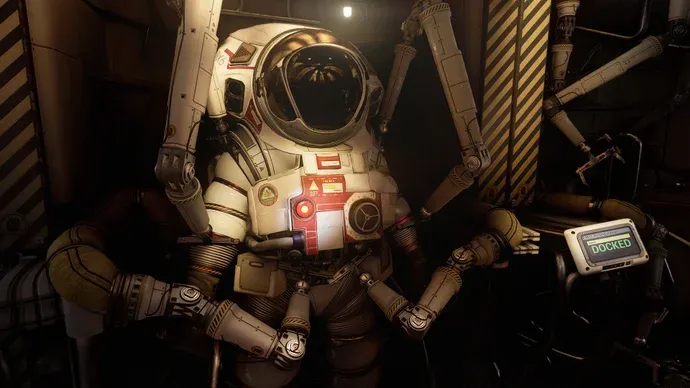
Frictional Games, known for Soma and Amnesia: The Dark Descent, has announced its upcoming release Ontos is delayed to 2027. For decision-makers, the move signals a high-stakes scheduling tradeoff: managing fan expectations and financial planning while aiming to protect a carefully built reputation.
Frictional Games is delaying Ontos to 2027. The Swedish studio behind Soma and Amnesia: The Dark Descent says the postponement is meant to deliver on its “ambitious” vision, placing completion and quality ahead of any near-term release calendar.
For executives, this matters because Ontos is not just another entry in a backlog. Frictional’s brand is tightly connected to specific player expectations: immersive dread, careful pacing, and a distinct design philosophy that has historically taken time to execute. Moving Ontos out to 2027 is a direct signal that the company is unwilling to let schedule pressure dilute what it promises audiences, even if that means extending uncertainty and pushing the next revenue and marketing cycle.
Zoom out and you can see why delays land differently in interactive entertainment than in some other software categories. A game does not ship in slices the way a subscription product can, and marketing momentum tends to be tied to known dates. That creates a business risk, but it also reflects a strategic reality: if a studio known for narrative-first horror ships something that does not meet its own bar, the damage can be longer-lasting than the cost of waiting. In other words, the decision is not only about hitting a target date. It is about defending the franchise identity that supports both player trust and future commercial opportunities.
There is also an operational layer to consider. Delaying to 2027 implies that the studio believes additional development time is necessary to reach the envisioned end state. That could involve everything from iterative design changes to technical refinement, but the core point for leadership is incentive alignment. When a studio publicizes an extended timeline, it is effectively converting internal work-in-progress risk into an external commitment: “We are buying time so the result can match the vision.” Boards and investors typically do not love indefinite uncertainty, so the very act of announcing a delayed target date is a governance choice. It tells stakeholders that the company would rather manage execution risk now than later through crisis fixes after launch.
Market context amplifies the stakes. Players have more choices than ever, and attention is fickle. A later release date means competing for mindshare against other releases and shifting platform conversations over several years. But for a studio like Frictional, the audience is often not driven purely by hype cycles. It is driven by confidence in the creator. That is why an “ambitious” vision can be a double-edged sword: it raises expectations and increases the cost of falling short, but it also gives the studio leverage to take the time required to land the experience it believes in.
There is a second-order implication for peers and partners, too. When a studio openly delays, it can ripple through expectations across the ecosystem: publishers planning marketing windows, storefront timing, marketing budgets, and even the way collaborators think about timelines and deliverables. For executives at other studios, it is a reminder that scheduling decisions are also messaging decisions. The date is not just a date. It is a statement about process maturity and quality control, and it can reshape how partners negotiate what “done” means.
Finally, the regulatory angle is more indirect, but it still exists. While this announcement is not about compliance actions or government requirements, game releases increasingly intersect with classification and content standards across regions, platform policies, and consumer protection expectations around disclosures and monetization practices. Those areas tend to benefit from stable planning and sufficient time for review and adjustments. When a studio delays, it may be building schedule slack that helps accommodate these kinds of non-negotiable gates. That is especially relevant for narrative and horror experiences, where content scrutiny and accessibility considerations can surface later in development if not anticipated early.
Bottom line: Ontos is delayed to 2027, and Frictional Games is choosing to protect an ambitious vision rather than force an earlier ship date. For decision-makers watching the industry, the lesson is straightforward: in high-expectation creative categories, timeline control is brand control. Getting the date right may take longer, but the alternative can be far more expensive in reputation and customer trust.
This story's Key Insights and Take-aways are locked.
Create a free account to unlock Executive Actions for one credit.
Register to UnlockAlways free for Executives Club members. Join the Club
More in Entertainment

Russell Brand's accuser 'bewildered and confused' as he denies 7 sex charges
The criminal case against the comedian is a live test of how media companies manage talent risk when serious allegations go public.

'It's a Magic Trick': Ballet Experts Say Rosalía's SNL Pose Is Impossible
Three ballet experts tell Rolling Stone Rosalía's gravity-defying SNL stillness shouldn't be possible - and why the debate is now part of the show.

Activision CMO: GTA 6 Will Boost Call of Duty, Not Bury It
Activision's top marketer says Rockstar's blockbuster will drive players back to consoles and into Modern Warfare 4, even as the company admits its recent strategy failed.