

FTC, 22 states sue Amazon over alleged 'secret ad surcharge scheme'
The regulator says Amazon quietly raised ad prices for businesses - here's what it means for sellers and Amazon's ad empire.
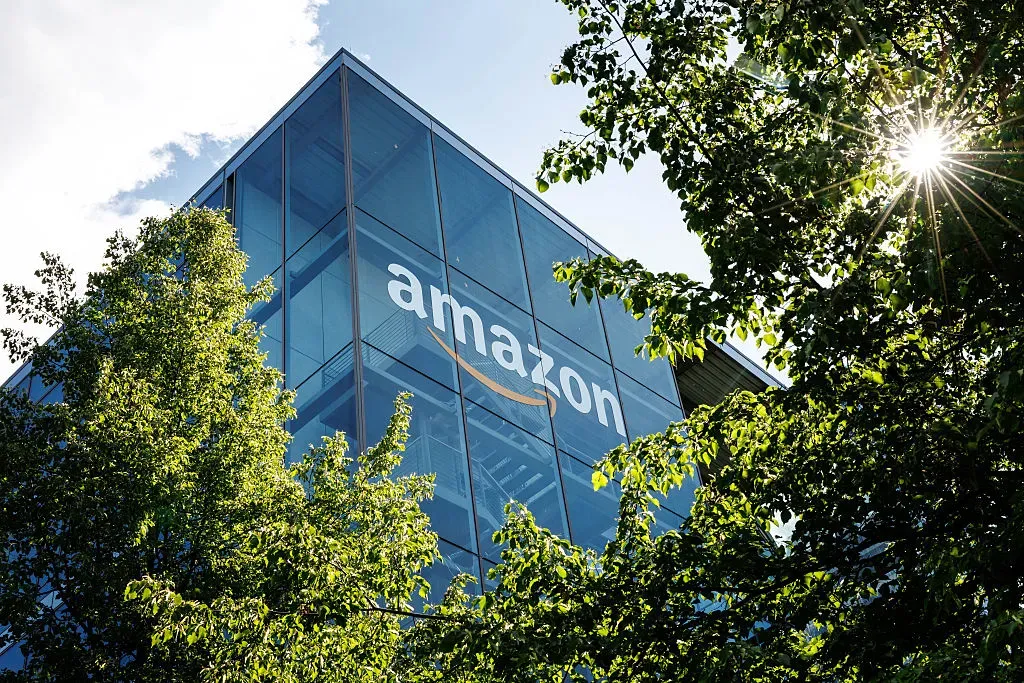
The FTC and 22 state attorneys general have sued Amazon, alleging it secretly raised advertising fees for businesses. The lawsuit threatens Amazon's lucrative ads business and could reshape how sellers pay for visibility on the platform.
The Federal Trade Commission, joined by 22 state attorneys general, has filed a lawsuit against Amazon, accusing the e-commerce behemoth of operating a "secret ad surcharge scheme" that allegedly inflated advertising costs for businesses without proper disclosure. The lawsuit, announced today, adds a fresh front in the regulatory war on Amazon's market power, targeting the very engine that has made the company a profit machine: its advertising business.
According to the FTC's complaint, Amazon allegedly charged businesses more for advertising than they were led to believe, effectively running a hidden surcharge on ad placements. While the specific mechanics remain under seal, the core allegation is that Amazon used its control over search and product placement to extract higher fees from sellers who had no choice but to pay for visibility. For the millions of third-party sellers on Amazon, this could mean they have been overpaying for ads, squeezing already thin margins and potentially forcing them to raise prices for consumers.
Amazon's advertising segment has become a cornerstone of its financial success, generating tens of billions of dollars annually and growing faster than its core retail business. The lawsuit threatens to disrupt this lucrative model by demanding transparency and potentially capping how much Amazon can charge. If the FTC prevails, Amazon could be forced to overhaul its ad pricing structure, which would likely reduce its ad revenue and give sellers more bargaining power.
This is not the first time the FTC has taken aim at Amazon. The agency previously sued Amazon in 2023 over alleged monopoly practices, including anti-competitive behavior toward sellers. The new lawsuit extends that scrutiny to advertising, a business that has become increasingly important as Amazon's retail margins have thinned. Regulators are clearly signaling that they see Amazon's dual role as marketplace operator and ad seller as a conflict of interest that harms competition.
For sellers, the lawsuit is a potential lifeline. If Amazon is forced to disclose its ad pricing more clearly and eliminate hidden surcharges, sellers could see lower costs and more predictable expenses. That would be a significant shift in the balance of power between Amazon and the businesses that depend on it. However, the legal process will be lengthy, and Amazon is likely to fight the allegations vigorously, meaning any relief is far off.
The broader implication for executives and boards is clear: platform companies that control both the marketplace and the advertising tools within it are in the regulatory crosshairs. The FTC's action against Amazon could set a precedent for how other tech giants, such as Google and Meta, are scrutinized for their ad practices. Companies that rely on opaque fee structures or hidden charges should take note and proactively review their compliance with consumer protection laws.
The lawsuit also highlights the growing trend of state attorneys general collaborating with federal regulators on tech enforcement. With 22 states joining the FTC, this is a coordinated multi-state effort that amplifies the political pressure on Amazon. The outcome of this case could reshape not only Amazon's ad business but also the broader landscape of digital advertising, where transparency is becoming a regulatory priority.
This story's Key Insights and Take-aways are locked.
Create a free account to unlock Executive Actions for one credit.
Register to UnlockAlways free for Executives Club members. Join the Club
More in Technology

AI researcher's 26,000-word claim: Neural nets aren't tangled after all
Nick Cammarata's Goodfire post has the AI world split - if he's right, monitoring frontier models just got a lot easier.

A Chinese rocket deorbited over Minnesota and landed in a farmer's cornfield
Experts tied the fragment to LandSpace's Zhuque-2E, which launched on September 15 and shed debris over the American Midwest after deploying 10 satellites.

JPMorgan Chase deploys first $5B into defense tech and hypersonic missiles
The bank is moving off its balance sheet to back robot factories, hypersonic missiles, and supply chains, signaling a new era of bank-backed military innovation.