
Fujifilm bet its future on biotech. The payout is still nowhere in sight.
The imaging giant's pivot into drug manufacturing was supposed to write its second act. Investors are still waiting on returns.
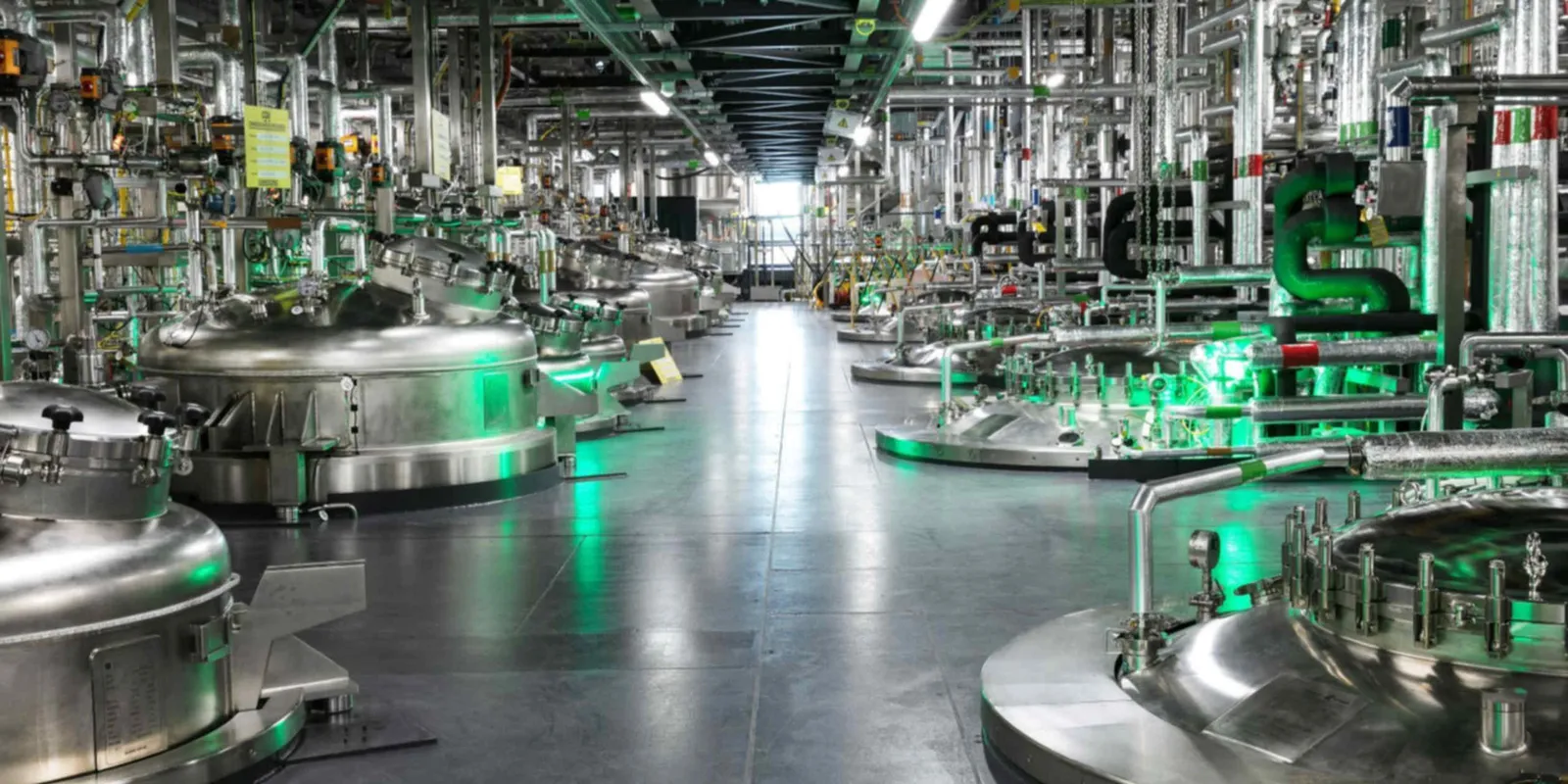
Fujifilm, the Japanese imaging company, is struggling to deliver on its massive biomedical business bet. The prolonged payoff is a warning to any executive planning a deep pivot into an unfamiliar industry.
Fujifilm bet its future on biotech, and the payout is still nowhere in sight. The company, long known for photographic film, has spent years pouring resources into a massive biomedical business bet, and Nikkei Asia reports it is struggling to deliver on that promise. For investors and executives watching from the sidelines, the gap between ambition and execution has become the defining story of Fujifilm's second act.
The scale of the pivot is hard to overstate. When the digital camera revolution decimated the film industry, Fujifilm did not just tweak its product line. It fundamentally reinvented itself, moving aggressively into healthcare, cosmetics, and drug manufacturing. The centerpiece of that reinvention became the biomedical business, a strategic bet that the company's expertise in chemistry and materials could translate into a powerful position in the production of medicines. The logic was elegant: if you can manufacture advanced films with precision, you can manufacture biopharmaceuticals with precision. The problem, as the Nikkei Asia report makes clear, is that the delivery side of that bet has not kept pace with the promise.
The biomedical push is not a side project. It represents a deep, capital-intensive commitment to contract development and manufacturing of biopharmaceuticals, the kind of business where clients demand near-perfection and regulators demand proof of it. Building a CDMO from scratch, or even through acquisitions, requires specialized clean rooms, fermentation capacity, purification systems, and a workforce trained in highly regulated processes. Fujifilm has been expanding its presence in this space for years, but the returns are coming slower than expected, and the pressure is mounting.
For context, the global CDMO market is crowded and competitive. Established players with decades of experience in biological manufacturing have long-standing relationships with the world's biggest pharmaceutical companies. New entrants have to prove themselves at every step, and biopharma clients are notoriously risk-averse. A delay in a single regulatory approval or a hiccup in a production batch can cascade into lost contracts and damaged credibility. Fujifilm is learning that a strong brand in cameras and electronics does not automatically earn trust in the sterile, exacting world of injectable drugs and cell therapies.
The struggles are not necessarily a sign of failure, but they are a sign of a long, expensive ramp. Massive capital investments in biomanufacturing facilities take years to pay off, and the payoff depends on utilization rates that are hard to predict. Demand for contract manufacturing can fluctuate, and capacity expansion is often done ahead of confirmed orders. That is a risky position for any company, especially one that is also managing the decline of its legacy businesses. For Fujifilm's leadership, the challenge is to keep investors patient while the biomedical business matures, and to avoid over-promising on timelines that the industry has historically stretched.
The broader lesson for decision-makers is clear: pivoting into a complex, regulated industry is not a one-time bet, it is a decade-long commitment. Executives who are tempted to follow a similar path should study the Fujifilm case carefully. The company's survival instinct was correct, the strategic direction was sound, but the execution gap is a reminder that in biopharmaceuticals, time is the one resource that cannot be compressed. Investors may see the massive bet as a drag on returns for the foreseeable future, and peers in other sectors should note that reinvention is only as good as the patience of the balance sheet.
The outcome is still unwritten. Fujifilm has the technology, the resources, and the will to become a major player in biopharma. But the Nikkei Asia report underscores that the company is still in the uncomfortable middle of a long transition. For executives watching, the takeaway is straightforward: if you are going to make a massive biomedical bet, be prepared to fund it long after the enthusiasm fades. The winners are not always the first movers, but they are almost always the ones who can survive the wait.
This story's Key Insights and Take-aways are locked.
Create a free account to unlock Executive Actions for one credit.
Register to UnlockAlways free for Executives Club members. Join the Club
More in Business

Elon Musk unveils a flying car, and SpaceX helped build it
The Tesla CEO's showcase at a SpaceX facility signals a future where road and rocket engineering converge.

Apple's $2,000 iPhone Duo opens preorders, taking on Samsung and Google
Apple's first foldable hits the market at a premium price, reshaping a category Samsung and Google have led.

Pope Leo XIV, first American pope, diagnosed with lung cancer
The 71-year-old Chicago-born pontiff underwent successful surgery on his right lung, and his diagnosis raises new questions about his AI-focused papacy and the Vatican's future.