
FX’s The Old Man and Nolan’s The Odyssey share a surprising war-to-home DNA
A two-part binge strategy: use FX’s The Old Man as your modern Homer follow-up after The Odyssey.
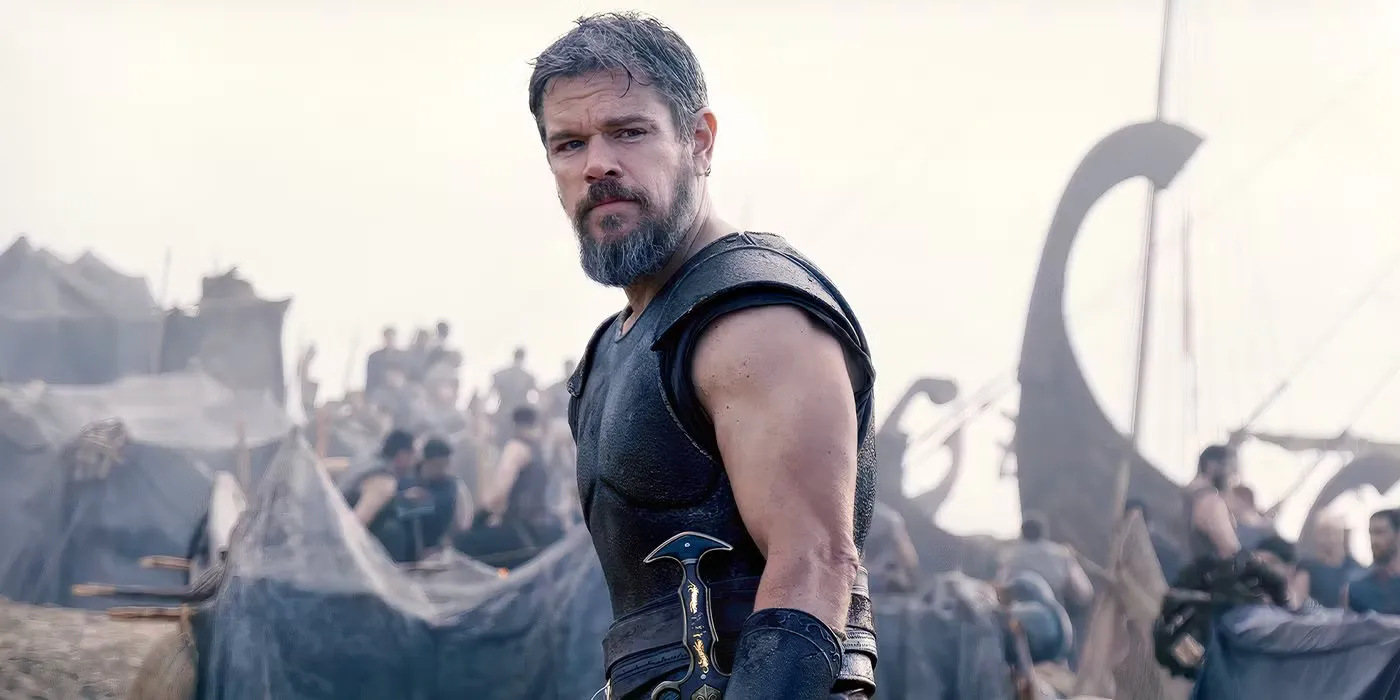
FX’s The Old Man lands as the perfect follow-up to Christopher Nolan’s The Odyssey, drawing on classic storytelling about the difficult journey home after war. For decision-makers, it is a reminder that cross-media narratives are winning attention by tying legacy themes to modern viewing habits.
Christopher Nolan’s The Odyssey is in theaters now, generating enthusiastic reactions and making waves at the box office. And if you are watching it, Collider’s point is simple: the movie is not just a throwback to Homer. It taps into the same emotional infrastructure that shows up in modern storytelling when the central plot is the difficult journey home after war.
That is why FX’s The Old Man works so well as a “modern binge” after Nolan’s The Odyssey. Collider frames Jeff Bridges’ thriller as a series that hits the same nerve as classics in both film and literature, using the homecoming theme to impress viewers beyond what a first impression might suggest. In other words, this is not a random pairing. It is a thematic match, where the war-to-home arc becomes the connective tissue across eras.
So what does that mean beyond your weekend watchlist? For executives, creators, and anyone thinking about audience retention, it is a case study in how viewers build meaning across formats. Nolan’s film brings Homer’s epic back into the spotlight by making the story feel immediate. FX’s series follows by translating the same foundational structure into a contemporary thriller packaging. Different mediums, same engine: the audience sticks because the emotional question stays consistent, even if the visuals and pacing change. The “journey home” premise is not just plot. It is how the story measures identity, survival, and consequence.
There is also a broader market context here. The entertainment ecosystem is crowded with action and adventure at every budget tier. Collider’s framing matters because it suggests The Old Man far outshines the action-adventure show's first impression. Translation: the initial packaging can mislead, and the deeper theme can be the real retention mechanism. That is a useful lens for studios and networks. When the audience expectation set is narrow, the product has to earn attention by delivering more than the first 10 minutes promises. The payoff, in this case, is a story that is both memorable and grounded in classics.
On the business side, cross-title momentum is a real force. When a high-profile event like Nolan’s The Odyssey hits theaters and earns enthusiastic reactions, it pulls the cultural conversation outward. Audiences do not just consume the film. They browse for adjacent experiences that match the mood. Collider’s recommendation leverages that moment: if you are already drawn to Homer’s epic through a modern lens, FX’s The Old Man gives you a nearby emotional destination. This is how programming becomes more than “what is new.” It becomes “what completes the feeling you started with.”
Now, if you are thinking like a board member or an exec running a content calendar, the second-order implication is about risk and differentiation. A lot of series compete on genre cues, but The Old Man, as described here, competes on thematic seriousness and longevity. By tying itself to classics in the film and literature tradition, it positions the series as more than episodic thrills. It becomes the kind of show viewers talk about after the binge ends, because it contains a story function that feels bigger than the runtime.
Regulatory background might not be the headline-grabbing element in a entertainment piece, but it matters for strategy in the real world. In general, streaming and cable series operate within a patchwork of rules around content, advertising, and distribution. Those constraints can shape how themes are packaged, how violence or war-related material is framed, and how international availability is handled. Collider’s framing of The Old Man as a memorable, classic-rooted journey suggests the show is delivering substance that can survive those packaging decisions. The more the story is anchored in universal arcs like homecoming, the easier it is to translate across audiences and platforms without losing the core draw.
For executives trying to build audience habits, the strategic stake is clear: you want shows that create repeat viewing, repeat discussion, and repeat relevance. Collider suggests The Old Man earns that by connecting to Nolan’s The Odyssey through surprising parallels. The viewer benefit is the binge itself, but the executive benefit is a model: when you align a modern property with timeless narrative themes, you reduce the odds that the audience bounces after a shallow first impression. You give them a reason to stay, not because the marketing promised action, but because the story delivers what the audience actually came for, a journey home after war.
This story's Key Insights and Take-aways are locked.
Create a free account to unlock Executive Actions for one credit.
Register to UnlockAlways free for Executives Club members. Join the Club
More in Entertainment

'It's a Magic Trick': Ballet Experts Say Rosalía's SNL Pose Is Impossible
Three ballet experts tell Rolling Stone Rosalía's gravity-defying SNL stillness shouldn't be possible - and why the debate is now part of the show.

Activision CMO: GTA 6 Will Boost Call of Duty, Not Bury It
Activision's top marketer says Rockstar's blockbuster will drive players back to consoles and into Modern Warfare 4, even as the company admits its recent strategy failed.
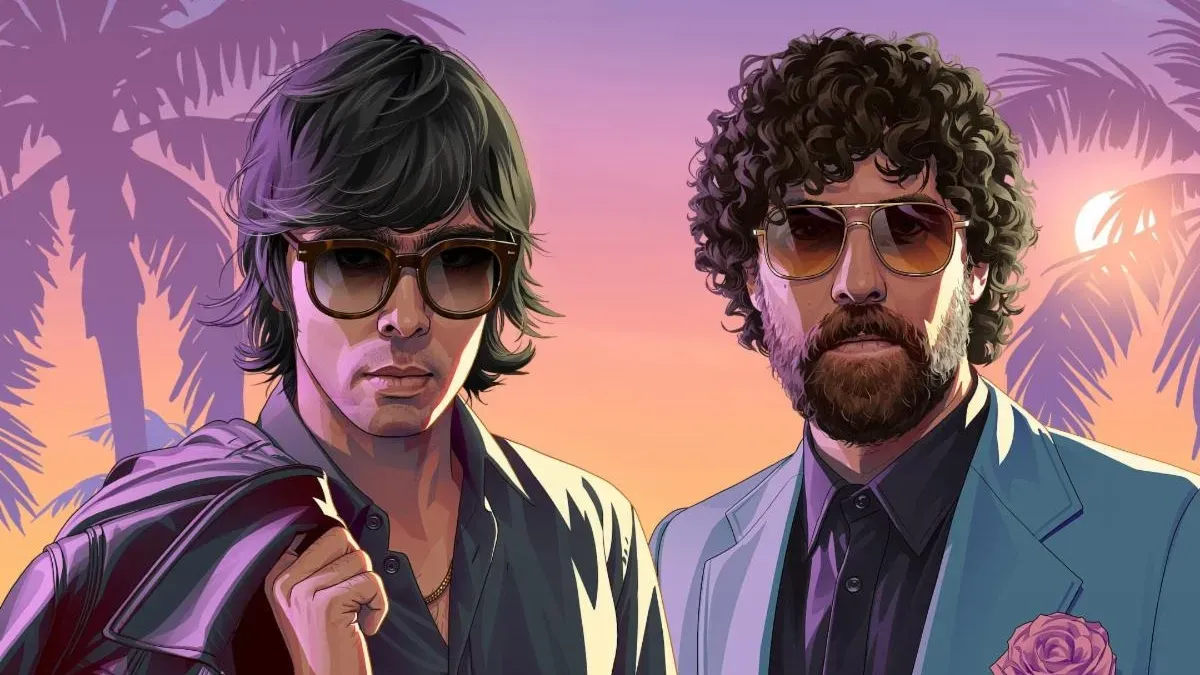
Justice to Score GTA 6, Share New Song with Tame Impala, SZA, King Gizzard
Rockstar taps the French duo for the GTA VI score, and the first taste is a genre-melting collab with Tame Impala, SZA, and King Gizzard & The Lizard Wizard.