

Galaxy Express 999 returns with a new film 48 years after 1978, Toei brings Rintaro back
A July 25 X announcement revives the space opera with Toei and director Rintaro, and it could reset anime event strategy.
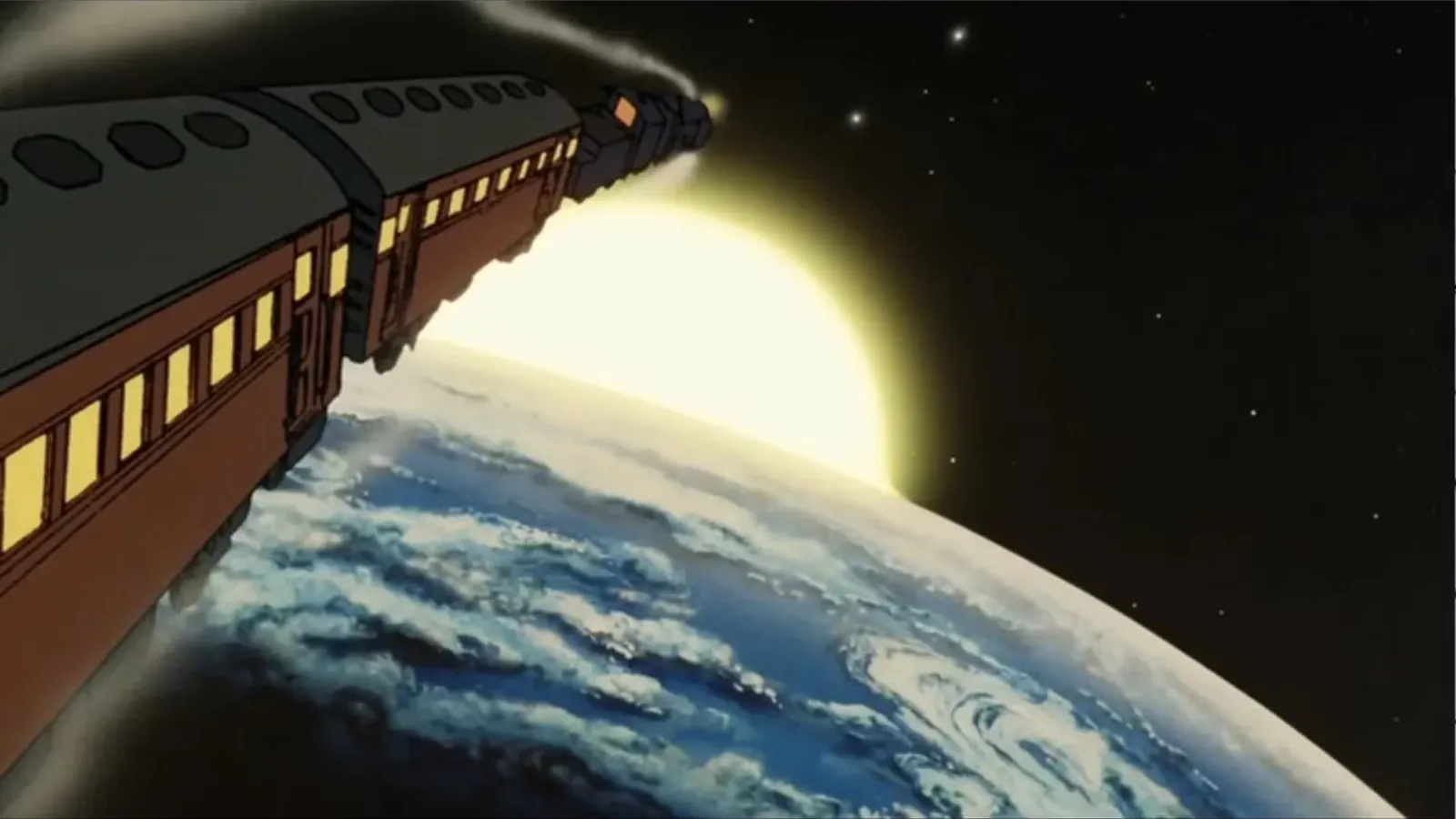
Leiji Matsumoto's official account announced on X Saturday, July 25 that a new theatrical Galaxy Express 999 anime film is in development. Toei Animation will produce it, with veteran director Rintaro returning after helming the 1979 Galaxy Express 999 movie.
Nearly 48 years after Galaxy Express 999 first launched audiences into space, the franchise is officially boarding the train again. On X Saturday, July 25, the official account of its creator, the late Leiji Matsumoto, announced a new theatrical Galaxy Express 999 anime film in development.
The comeback is not just a nostalgia headline. Toei Animation, the same studio that originally helmed the project in 1978, is returning to produce the new film. Veteran director Rintaro, who helmed the acclaimed 1979 Galaxy Express 999 movie, will provide the story concept. That combination, returning to both the original production house and a key creative leader, is the signal that this is being treated like a major theatrical event, not a low-cost repackage.
Why this matters beyond anime fandom is that it is a clean example of how legacy IP becomes a board-level asset. Galaxy Express 999 is widely positioned as one of anime’s most influential space adventures, and the decision to make it theatrical matters because theaters are where franchises prove they can still draw audiences without the constant drip feed of streaming. When a studio pairs veteran creative with a studio that already owned the “first version” of the brand, it reduces some of the uncertainty that comes with reviving any long-dormant property. You do not get to “brand your way” out of audience skepticism; you need a product that feels intentional.
From an incentives perspective, the news also shows how creators’ estates and production committees can protect value. The announcement came from the official account of the late Leiji Matsumoto, meaning the rights holder ecosystem is actively participating in signaling direction publicly. Even without additional details, the fact that the creator’s official channel drove the announcement suggests coordination, not a surprise license grab. For decision-makers, that can reduce reputational risk. When a franchise is deeply associated with a creator, the market tends to reward projects that respect that association.
The Toei factor is equally important. The original Galaxy Express 999 project in 1978 is tied to Toei Animation, and the new film bringing the studio back is a strategic continuity play. Studios that understand the operational rhythm of production, marketing, and distribution for a specific franchise can often move faster when the market window opens. In practical terms, a company with the original institutional memory can better align creative expectations with release planning, which matters for theatrical schedules where timing affects everything from competition to promotional spend.
Then there is Rintaro, returning with story concept responsibilities. He previously helmed the 1979 Galaxy Express 999 movie, and that credit is not a throwaway line. The market for anime film revivals is crowded with “brand-only” sequels that fail to recreate the creative spark that made the original resonate. Bringing back a veteran director linked to one of the franchise’s most acclaimed entries is a bet that the new film can recapture the tonal gravity people associate with Galaxy Express 999.
Now zoom out for the second-order implications. This announcement is a reminder that anime is still running on major-event economics. Even as distribution evolves, the theatrical format remains a high-visibility proving ground, and high-visibility is what attracts investors, partners, and talent. When a well-known studio and a recognized creative name re-enter an established IP, it tends to raise expectations across the slate. Competitors do not just ask, “Will it make money?” They ask, “Will it redefine what audiences consider must-see?”
For executives and board members at studios, platforms, and IP-holders, the strategic stakes are straightforward: legacy assets can come back to life, but only if the revival is credible. Galaxy Express 999 is getting both credibility levers at once, a returning studio rooted in the original 1978 production and Rintaro connected to the 1979 film. If the project maintains the franchise’s reputation while demonstrating that theatrical demand still exists, it becomes a template other properties can try to copy. If it fails, it becomes a warning about the limits of nostalgia. Either way, the market just got a new, very real data point on how anime IP revival decisions are being made right now, starting with a single X post on July 25.
This story's Key Insights and Take-aways are locked.
Create a free account to unlock Executive Actions for one credit.
Register to UnlockAlways free for Executives Club members. Join the Club
More in Entertainment

'It's a Magic Trick': Ballet Experts Say Rosalía's SNL Pose Is Impossible
Three ballet experts tell Rolling Stone Rosalía's gravity-defying SNL stillness shouldn't be possible - and why the debate is now part of the show.

Activision CMO: GTA 6 Will Boost Call of Duty, Not Bury It
Activision's top marketer says Rockstar's blockbuster will drive players back to consoles and into Modern Warfare 4, even as the company admits its recent strategy failed.

Justice to Score GTA 6, Share New Song with Tame Impala, SZA, King Gizzard
Rockstar taps the French duo for the GTA VI score, and the first taste is a genre-melting collab with Tame Impala, SZA, and King Gizzard & The Lizard Wizard.