
Galaxy Z Fold 8 Ultra brings a new “Ultra” playbook, targeting power users
Samsung’s first true Ultra foldable changes design and software, with implications for how buyers decide and how rivals respond.
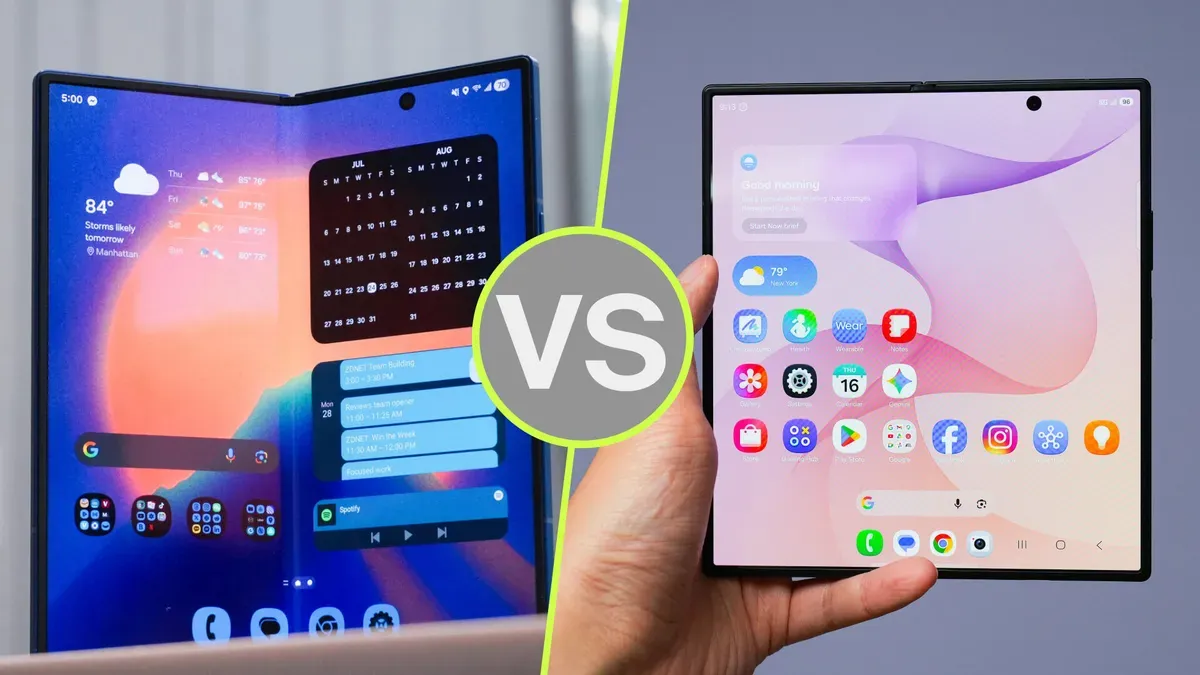
Samsung has introduced the Galaxy Z Fold 8 Ultra, positioning it as the first foldable in the lineup to use the “Ultra” framing. For decision-makers, it signals how Samsung plans to segment premium foldables and what features matter most to enthusiasts.
Samsung’s new Galaxy Z Fold 8 Ultra is the company’s attempt to turn “foldable” from a curiosity into a high-end product category. ZDNet frames the shift as design and software changes aimed specifically at power users and enthusiasts, not casual phone upgraders.
So the headline question is not whether Samsung is making a foldable. It is whether Samsung is changing the foldable decision process. The Z Fold 8 Ultra uses the “Ultra” label for a reason: it is supposed to feel meaningfully different from the prior generation, the Galaxy Z Fold 7, rather than being a routine refresh.
To understand why this matters, it helps to remember how foldables typically compete. Foldable buyers are usually split into two camps. One wants the form factor, the novelty, the “look what I can do” advantage. The other wants the daily-work device that can replace multiple gadgets, which means reliability, multitasking, productivity, and software that does not slow them down. Samsung is clearly leaning into that second camp with the Z Fold 8 Ultra.
ZDNet’s comparison to last year’s Galaxy Z Fold 7 sets up a simple contrast: last year’s model represents the baseline expectations for Samsung’s foldable experience, while the “Ultra” version brings new design and software moves meant to satisfy enthusiasts who notice the details. In other words, Samsung is taking a page from how the broader smartphone market treats “Ultra” tiers: premium hardware plus software polish aimed at people who would rather pay more than compromise.
This is also a strategic segmentation move. By introducing an Ultra variant within the Galaxy Z Fold line, Samsung can capture incremental revenue from buyers who previously might have treated the Fold 7 as “good enough for a first jump into foldables.” Now Samsung is offering a different value proposition, one that can justify a higher price band and a more intense marketing story. For the executives watching category performance, this kind of lineup restructuring is often more than branding. It changes how retailers stock devices, how carrier deals are negotiated, and how marketing budgets are allocated across tiers.
There is a second-order implication for rivals too. When Samsung creates a more clearly defined “Ultra” benchmark, competitors are forced to decide whether they match the tier with their own premium foldables, or attack adjacent segments. That decision is not only product. It is operational and regulatory. Foldable devices attract scrutiny because they sit at the intersection of communications tech, consumer electronics, and durability claims. Even when the claims are not directly regulated in every market, consumer protection expectations and warranty narratives become part of competitive differentiation. A new “Ultra” line means Samsung needs to align user experience, repair and service messaging, and software support expectations with what “Ultra” implies.
Software is especially important because it is where ecosystems win long-term. Hardware sells the first upgrade, but the software experience tends to determine whether enthusiasts feel the device “earns” the Ultra label over time. ZDNet’s focus on software changes geared toward power users suggests Samsung is targeting the everyday friction points that enthusiasts complain about: multitasking workflow, app continuity between displays, and features that make the fold factor feel like a productivity advantage rather than a special-case novelty.
For board members and senior leaders, the takeaway is that Samsung is not just iterating. It is building a stronger internal ladder for foldables. Galaxy Z Fold 8 Ultra versus Galaxy Z Fold 7 is a template for how Samsung plans to map “enthusiast” preferences into measurable product deltas. The strategic stake is simple: whichever company most effectively turns foldables into a mainstream premium category, with clear tier meaning and software that matches the promise, will set the tempo for the entire segment. And if Samsung’s Ultra strategy lands, it will raise the bar for everyone else trying to sell foldable excellence to the most demanding customers.
This story's Key Insights and Take-aways are locked.
Create a free account to unlock Executive Actions for one credit.
Register to UnlockAlways free for Executives Club members. Join the Club
More in Technology

Shopify cut theme code by 93% to make AI agents (and humans) happier
A Sidekick-driven re-architecture moves Shopify storefront templates back toward readable HTML, with typed blocks and explicit contracts.

Northern Virginia’s fallen power line exposed data centers’ grid fragility, fast fixes included
A close call showed how quickly AI sites can struggle when electricity goes sideways, and what to do about it.

Anthropic’s Dario Amodei says AI job loss may be exaggerated, not imminent
A new Anthropic analysis challenges the “intelligent robots end work” timeline and resets the economic debate.