
GB regulator gives provisional go-ahead to three pumped storage hydro sites in Scotland
First major hydropower projects in over 40 years could advance as the plan targets reduced reliance on energy imports.
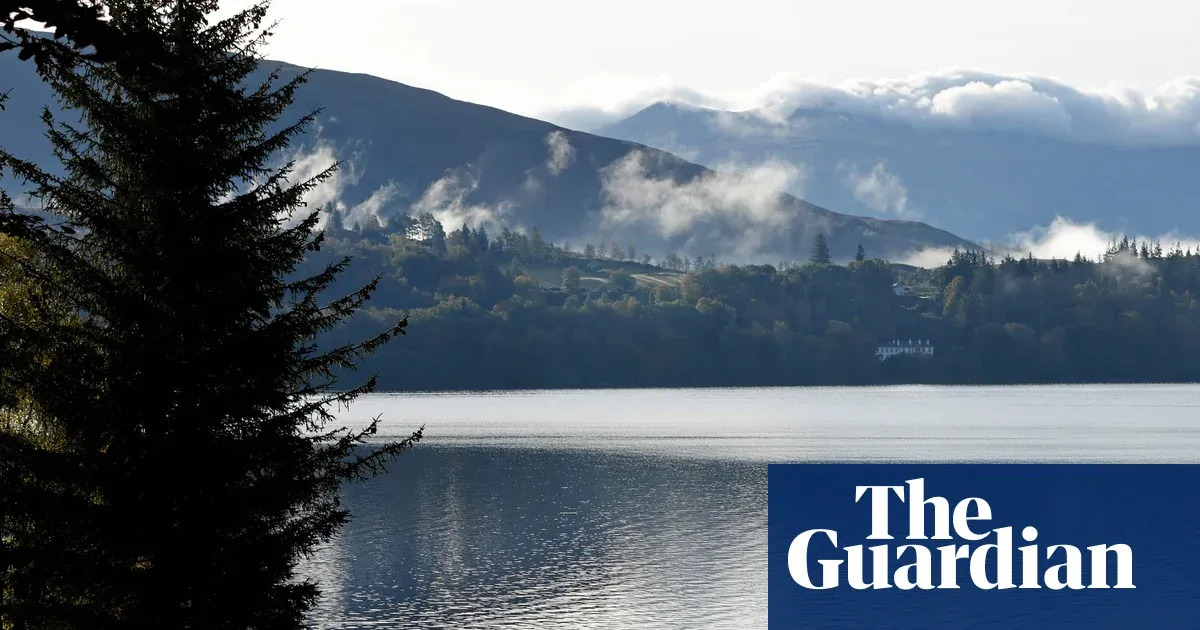
Great Britain's energy regulator has issued a provisional green light to three pumped storage hydropower proposals in northern Scotland. The decision could move long-duration electricity storage plans forward and reduce the country's reliance on energy imports.
Great Britain is taking a rare swing at building major hydropower again. The energy regulator has given a provisional green light to three pumped storage hydroelectric power station proposals as part of a broader plan to reduce reliance on energy imports.
These three projects are not scattered across the country. They are all due to be built in northern Scotland, where local lochs will be used as natural reservoirs for the pumped storage stations. In plain terms, this is the “store electricity as water, then release it to generate power” model, scaled up for long-duration balancing needs.
This matters because pumped storage is the kind of infrastructure that takes years to plan, permit, build, and integrate. Unlike quick grid tweaks, it is a bet on how the power system will behave in the long run, especially as grid operators and policymakers try to manage variability in generation and keep lights on without leaning as heavily on imports.
The regulator’s provisional approval is also important for how these projects will move. Provisional green lights typically mean the projects clear an initial regulatory threshold, but they are not the final stamp of approval that triggers full build-out. Still, even a “maybe yes” can change the momentum: it can unlock more detailed development work, support discussions with stakeholders, and help teams coordinate timelines for planning and construction. For executives, that is not a small thing. Hydropower projects involve multiple moving parts, including environmental considerations, site-specific engineering, grid connection pathways, and long lead-time procurement.
The Guardian notes these approvals sit inside a longer list of long-duration electricity storage plans. Specifically, the provisional green light covers three proposals from a total list of 16 long-duration electricity storage plans. That detail matters because it frames the decision as part of a portfolio approach, not a one-off exception. Regulators are effectively signaling which directions they think are more credible, at least at this stage, for meeting the system’s longer-term storage needs.
There is a second-order effect here that boards and CFOs tend to care about: supply chain and capital planning. When a country is building new major storage infrastructure after more than 40 years, the cost, scheduling risk, and availability of specialized contractors and equipment can all become binding constraints. Early regulatory movement can help developers structure procurement and financing around a clearer path to permissions. It can also influence how investors underwrite risk, because permitting clarity often reduces uncertainty, even if it does not eliminate it.
Scotland’s geography is doing the heavy lifting in this story. The use of lochs as natural reservoirs reduces the need to create entirely new water storage basins from scratch, but it does not remove complexity. Loch-based systems still require engineering around water levels, operational cycles, and likely environmental protections. Executives should treat that as a reminder that “natural reservoirs” do not mean “easy permitting.” They mean the physical design problem is anchored in existing features, while environmental and operational constraints still need to be satisfied.
Zooming out, this provisional decision is a signal about Britain’s energy strategy. The text is explicit: the regulator’s move is connected to reducing reliance on energy imports. That is a strategic priority with real consequences for the balance between domestic generation, storage, and resilience. For leaders in adjacent roles, like grid operators, utilities, and developers of storage technologies, the takeaway is that long-duration storage is moving from concept to concrete regulatory evaluation.
For decision-makers, the strategic stakes are clear. Great Britain’s first major new hydropower projects in more than 40 years are on the regulator’s radar now, and three specific pumped storage sites in northern Scotland have taken the first step. The remaining question is not whether the plan exists, but how quickly these projects can convert provisional approval into final authorization, financial close, and construction schedules that actually serve the grid when needed.
This story's Key Insights and Take-aways are locked.
Create a free account to unlock Executive Actions for one credit.
Register to UnlockAlways free for Executives Club members. Join the Club
More in Business

Bungie cuts most Destiny 2 staff as Sony says Marathon still matters
Herman Hulst confirms layoffs affecting most Destiny and some Marathon teams after Bungie admits Destiny fell short.

SK Hynix jumps 11% after seeking up to $29.4B in Nasdaq listing
The chip giant filed for a Nasdaq listing plan that could raise $29.4 billion, instantly reshaping investor expectations.

Micron revenue hits nearly $42B as AI memory lifts gross margins above 81%
Fiscal Q3 results crush estimates, prove AI memory is rewriting Micron's margins, and change the momentum math for the whole chip stack.