
George Lucas’ “lost media” Star Wars Detours gets a release after Disney shelving
After Lucas quit filmmaking in 2012, his final Star Wars project resurfaces, changing what “canon plans” mean for insiders.
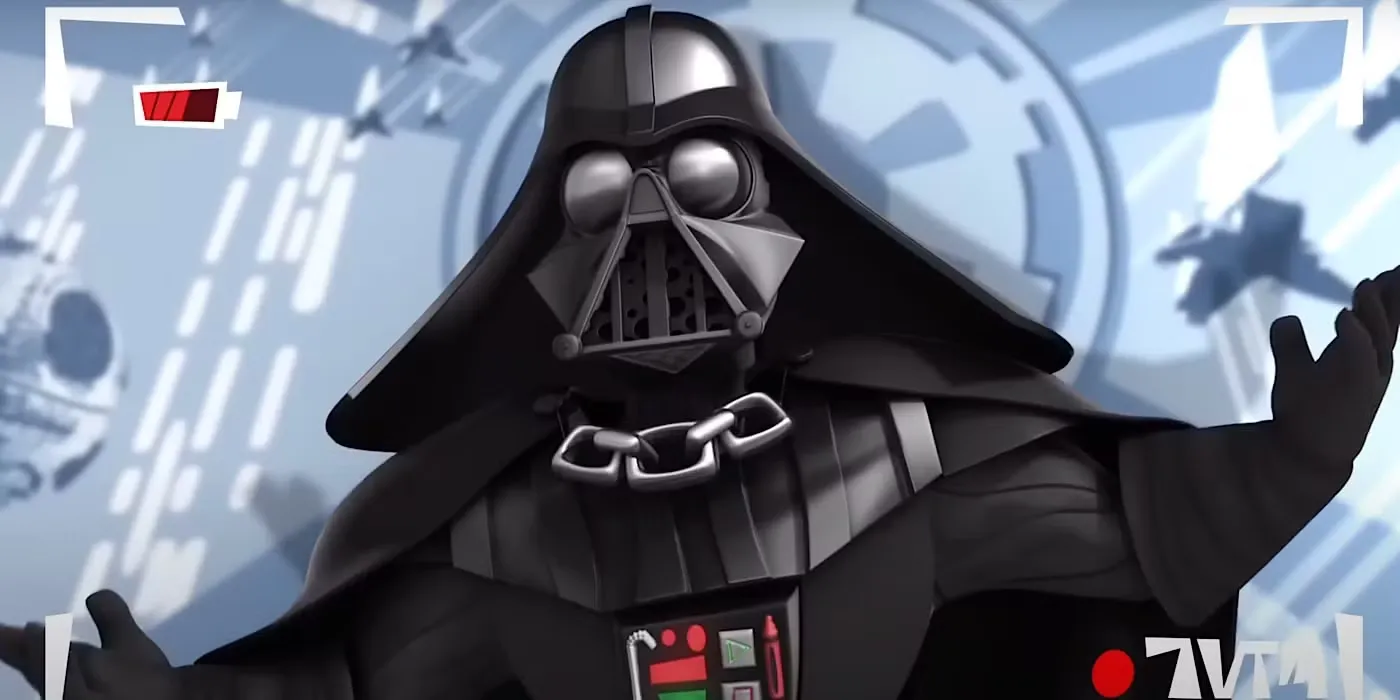
George Lucas developed Star Wars projects until Disney acquired Lucasfilm in 2012, after which he retired from filmmaking and began working on the Lucas Museum of Narrative Art. His final Star Wars centerpiece, the animated comedy series Star Wars Detours created with Seth Green and Matthew Senreich, is now officially moving toward release years after being treated as lost media.
Disney acquired Lucasfilm in 2012, and with that, George Lucas officially retired from filmmaking. The move was meant to signal a clean break: Lucas stepped back, and the next chapter of Star Wars would be handled by Disney’s leadership. But Lucas did not stop thinking about the franchise, and clues about his intentions were on full display at Star Wars Celebration VI in 2012, where he unveiled a future slate of projects.
The centerpiece of that slate was Star Wars Detours, an animated comedy series developed by Seth Green and Matthew Senreich. At the time, it was treated as “lost media,” something that would sit in archives forever. This week, that assumption got a crack in it, because we finally have word on when Star Wars Detours will be made available for fans to watch. The headline stake is simple: what looked permanently shelved is getting an actual release 13 years later.
To understand why this matters beyond Star Wars fandom, zoom out to how media companies protect optionality. When a studio acquires a creative franchise, it inherits not just stories, but a pipeline of projects that may or may not fit the new strategy. Lucasfilm’s sale to The Walt Disney Company in 2012 created exactly that kind of tension. Lucas had “very different plans” for the Star Wars universe than Disney, and you can see the mismatch in what happens next to his projects. Detours wasn’t just delayed. It was effectively archived as if it had no pathway to launch.
There is also a less glamorous reason shelved projects often stay shelved: internal alignment. New ownership tends to prioritize deliverables that match its current audience, brand posture, and production calendars. An animated comedy series, especially one pitched as a future slate item rather than an active production, can be easy to deprioritize if leadership wants to move the franchise in a different direction. In that world, a project can remain technically “real” while still being functionally invisible to the public.
Then there is Lucas’s own side of the story. The source notes that after acquisition, he officially retired from filmmaking to begin working on his passion project, the Lucas Museum of Narrative Art. That is important because it frames Lucas’s involvement after 2012: the man behind the franchise was not simply waiting around for Disney permission. He pivoted to a different platform for narrative art, while his final Star Wars vision sat on the shelf.
Now, Detours is no longer just a footnote from a convention stage in 2012. The fact that we have “word on when it will be made available for fans to watch” means the project is moving from archival status back into the public market. For decision-makers, that is a real signal. Studios often treat unreleased IP like a dormant asset, but once it returns, it can revive attention, shift fan sentiment, and influence what audiences expect next.
Second-order implications follow fast. If a project previously labeled “lost media” can reappear, boards and executives at other IP-heavy companies have to consider how long creative plans can remain latent before leadership changes, production priorities shift, or release windows reopen. It also raises questions about how companies handle legacy creators whose ideas do not perfectly map to the acquiring owner’s plans. In practice, those creators can still shape the franchise indirectly, through what they built and what resurfaces later.
For peers in entertainment, this is a reminder that brand control and creative control rarely line up on day one of an acquisition. Disney got ownership in 2012, but Lucas’s vision remained embedded in the slate he unveiled at Star Wars Celebration VI. Thirteen years later, Star Wars Detours is being prepared to move into the light, turning what was treated as permanently buried into a deliverable fans can access. The strategic stakes are bigger than one animated series: it’s another data point in how acquisitions treat legacy creative roadmaps, and what happens when those roadmaps eventually get to ship.
This story's Key Insights and Take-aways are locked.
Create a free account to unlock Executive Actions for one credit.
Register to UnlockAlways free for Executives Club members. Join the Club
More in Entertainment

'It's a Magic Trick': Ballet Experts Say Rosalía's SNL Pose Is Impossible
Three ballet experts tell Rolling Stone Rosalía's gravity-defying SNL stillness shouldn't be possible - and why the debate is now part of the show.

Activision CMO: GTA 6 Will Boost Call of Duty, Not Bury It
Activision's top marketer says Rockstar's blockbuster will drive players back to consoles and into Modern Warfare 4, even as the company admits its recent strategy failed.
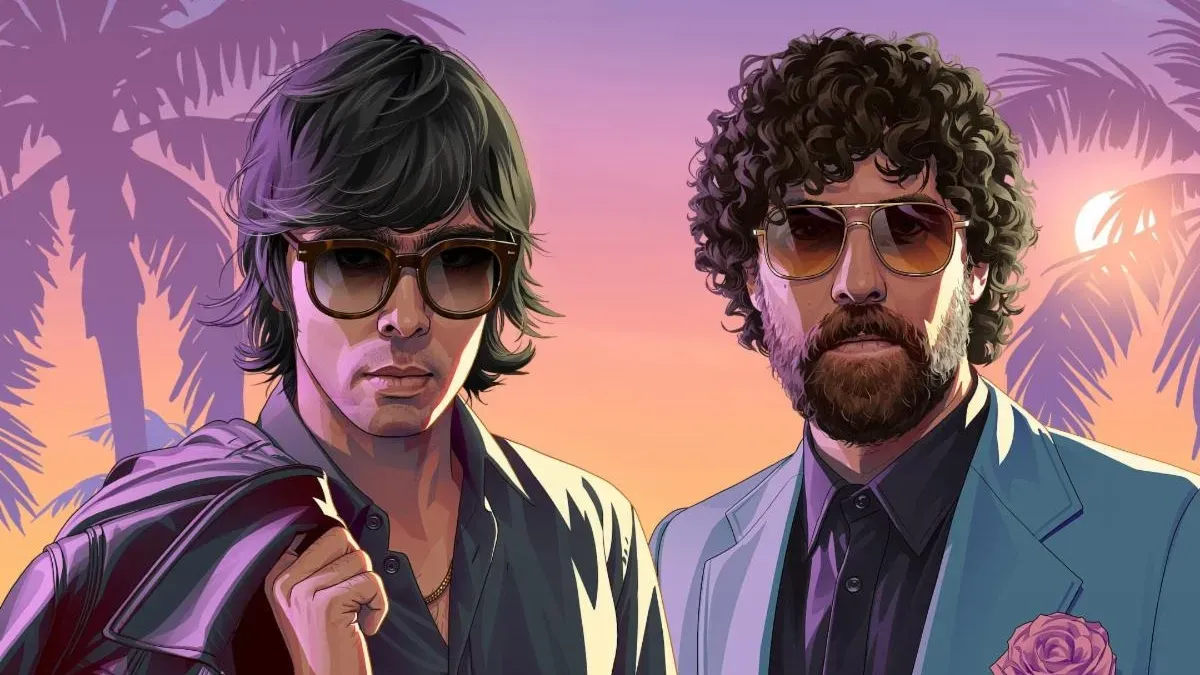
Justice to Score GTA 6, Share New Song with Tame Impala, SZA, King Gizzard
Rockstar taps the French duo for the GTA VI score, and the first taste is a genre-melting collab with Tame Impala, SZA, and King Gizzard & The Lizard Wizard.