
George R.R. Martin starts Dunk and Egg Book 4, showrunner Ira Parker says
A Knight of the Seven Kingdoms could stretch to 3 or 5 seasons, if Martin can land Book 4 on time.
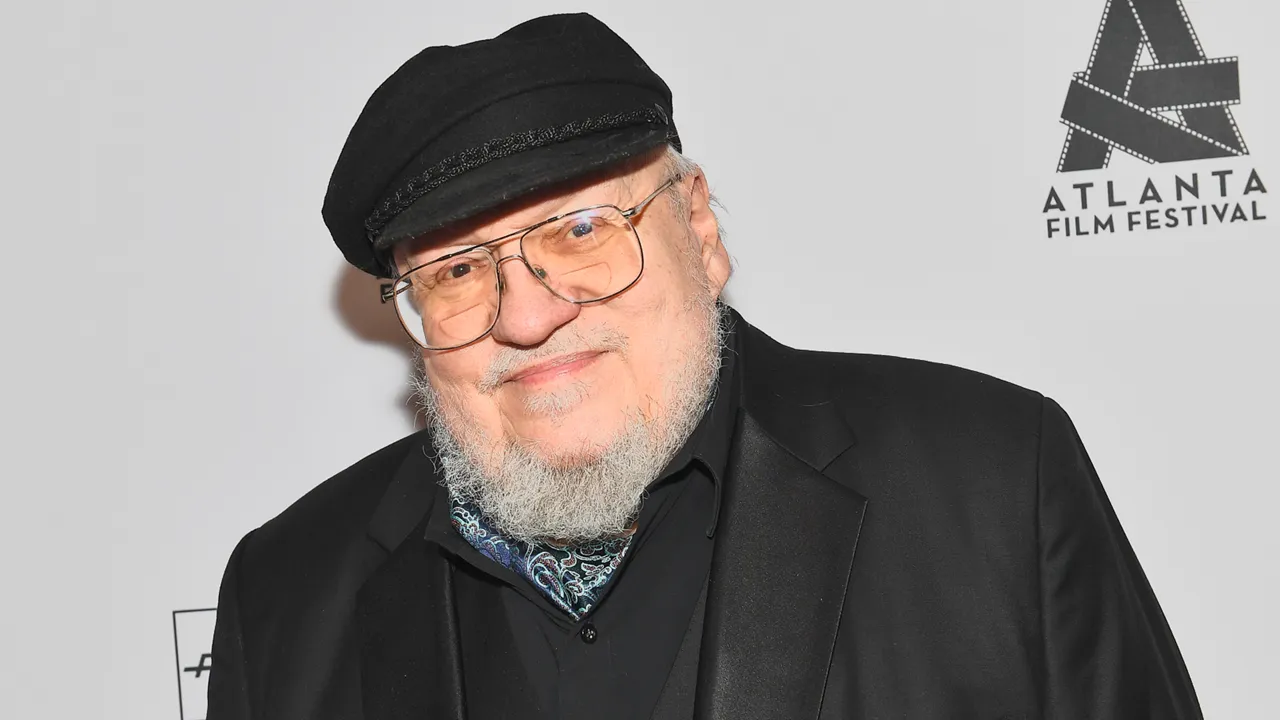
Ira Parker, showrunner of A Knight of the Seven Kingdoms, says George R.R. Martin is working on a fourth Dunk and Egg book. The development matters because the show’s future hinges on timing, casting longevity, and how HBO paces stories around Egg and Duncan.
George R.R. Martin is working on Dunk and Egg Book Four, according to A Knight of the Seven Kingdoms showrunner Ira Parker. Parker made the claim while discussing the future of the HBO fantasy spinoff with The Hollywood Reporter, and the detail is doing heavy lift: it suggests the “Dunk and Egg wing” of the Game of Thrones universe is not just waiting, it is potentially preparing.
Parker also dropped a practical pacing roadmap for the live-action adaptation. He said the show’s adaptation has only been greenlit for up to Season 2, but he hopes to expand to “three seasons or maybe four or five.” The “why now” matters. Parker teased that Book four takes place in a “very cool location,” while Book five is “the last story point of Egg as a boy,” which creates a natural pause point: return when Dexter Sol Ansell’s Egg is older so the show can shift tone into “Egg the Prince,” with politics and settings like Summer Hall and King’s Landing.
If you’re an executive, producer, investor, or operator watching long-running IP, this is the real story behind the story. Fantasy series are timing machines. They are built on versioning: who the audience is when it debuts, who the cast becomes as the years pass, and what plot beats feel right once actors age. Parker’s comments essentially translate to a scheduling philosophy: use the calendar as a creative tool. If Book four lands and Book five can be staged at the right point in Egg’s aging arc, HBO can reframe the show from “on the road all the time” to a broader court-and-power vibe.
But there is an obvious choke point: Martin’s own release track record. The source reminds us that Martin is “infamously reluctant” to publish The Winds of Winter, the penultimate installment in A Song of Ice and Fire, and that the wait has lasted so long the uncertainty is now part of the ecosystem. Parker’s vision depends on Martin’s work, and the source underscores that the author, who is 77, does not have a backup plan if he cannot finish it “before he dies.” That is not just fandom drama. It is continuity risk. For studios, IP writers who control canonical timelines can become a scheduling bottleneck even when production is moving efficiently.
And yet, A Knight of the Seven Kingdoms is not starting from zero. For now, the adaptation wing is limited to The Hedge Knight, The Sworn Sword, and The Mystery Knight. Parker says Martin is hoping to “make that change,” though he doesn’t elaborate on what that “very cool location” is, or how far the unpublished-to-screen pipeline might stretch. In other words: Book Four could be the key that unlocks expansion. Or it could be one more moving piece in a larger puzzle where the show advances, pauses, or pivots depending on what material is ready.
There is also the “seasons versus appetite” question that every long-running series eventually faces. Parker previously said he does not believe A Knight of the Seven Kingdoms seasons will outpace Martin’s work, but he noted that Martin provided the HBO team with 12 outlines for future stories. Those outlines are described as a rough look at the road ahead, not a complete script supply. So the show has to balance two forces at once: keep audiences engaged now, and avoid cornering itself with a pacing plan that cannot be supported by the author’s eventual canon.
Parker’s approach to that balance includes a staffing-and-structure idea: taking a break between later seasons to allow the actors to age accordingly. HBO executives, the source says, have mostly given him “eye rolls,” though they are “not completely” turned off by the concept. Parker framed it like this: if the show wraps and people are still OK with what they are doing, then let the show evolve as the leads and the creative team grow older, with the world changes and the show wants to “say different things.” The strategic angle is clear. Breaks can protect realism in an actor-driven story, but they can also create momentum risks. Executives have to decide whether to reset attention or ride forward without that reset.
Finally, Parker added a detail that is easy to gloss over but important for how production teams de-risk uncertainty. He said Martin gave him “some unpublished pages - actual written prose he found in his files somewhere that he sent over, and we used them.” In practical terms, that means at least some adaptation work is being supported by material that is already in written form, even if the broader timeline for future books is still unclear. So the show is not helplessly dependent on one looming release, but it is still tethered to Martin’s ability to deliver Book Four.
For peers in similar roles, the stakes here are straightforward. When an IP universe spans books and screen versions, the calendar becomes a strategic asset, and delays become operational risks. Parker is effectively outlining a playbook for surviving those risks: use canon-driven structure where you can, plan around actor aging, keep options open with outlines and unpublished prose, and treat the next book like it is not just a literary event, but a production deadline that shapes how many seasons a fantasy franchise can credibly sustain.
This story's Key Insights and Take-aways are locked.
Create a free account to unlock Executive Actions for one credit.
Register to UnlockAlways free for Executives Club members. Join the Club
More in Entertainment

'It's a Magic Trick': Ballet Experts Say Rosalía's SNL Pose Is Impossible
Three ballet experts tell Rolling Stone Rosalía's gravity-defying SNL stillness shouldn't be possible - and why the debate is now part of the show.

Activision CMO: GTA 6 Will Boost Call of Duty, Not Bury It
Activision's top marketer says Rockstar's blockbuster will drive players back to consoles and into Modern Warfare 4, even as the company admits its recent strategy failed.
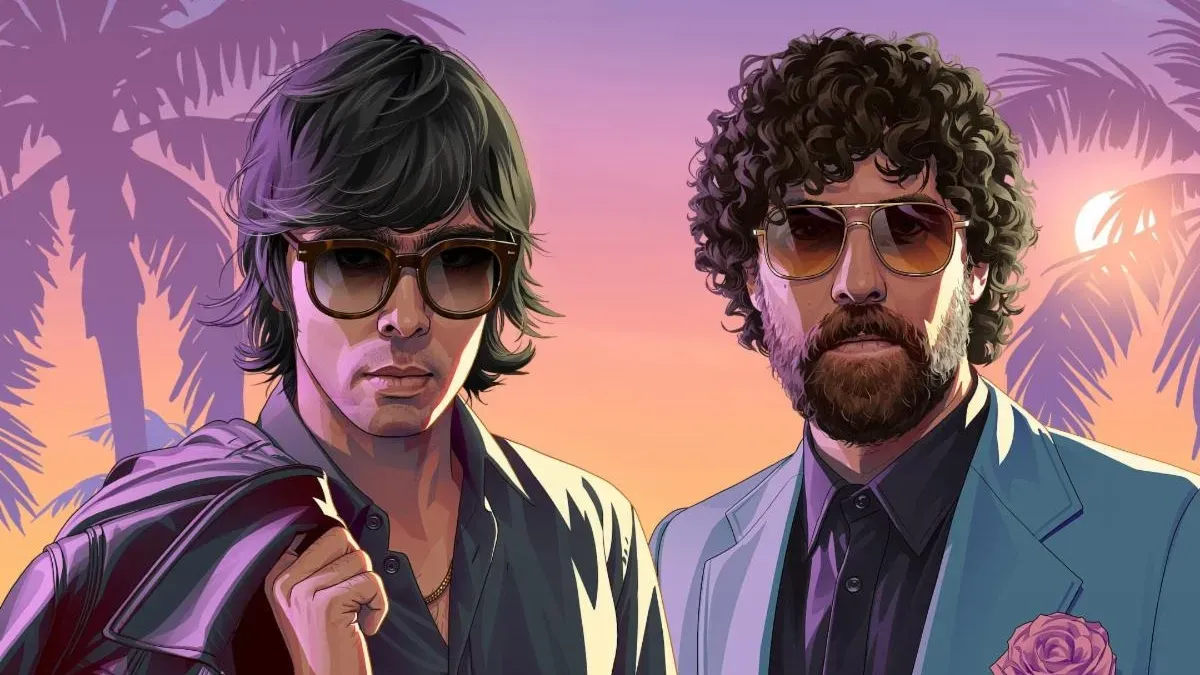
Justice to Score GTA 6, Share New Song with Tame Impala, SZA, King Gizzard
Rockstar taps the French duo for the GTA VI score, and the first taste is a genre-melting collab with Tame Impala, SZA, and King Gizzard & The Lizard Wizard.