

Gina Rinehart backs SpaceX with a $1B+ stake after its $2.5T debut valuation
The Aussie mining billionaire just put Hancock Prospecting behind Musk's rocket-and-satellite combo, and markets noticed.

Gina Rinehart, executive chairman of Hancock Prospecting, announced a “significant investment” in SpaceX worth more than $1 billion after SpaceX’s Friday stock market debut. For dealmakers, the move signals how rare-earth capital, government framing, and space connectivity bets are converging at scale.
SpaceX’s valuation hit $2.5 trillion right after its Friday stock market debut, and on Monday it was no longer just a tech story. It became an international capital story. That same day, Gina Rinehart, 72, the executive chairman of Hancock Prospecting, announced she had made a “significant investment” in SpaceX through Hancock’s balance sheet, with the stake worth more than $1 billion, according to the Wall Street Journal.
Rinehart did not just toss money at a hot headline. In her statement, she framed SpaceX as “a rare business, led by a truly exceptional person, technically exceptional and operating in sectors that are crucial and with long-term potential.” She also pointed to why SpaceX, in her view, stands out: it is the only company globally building “integrated hardware and software across its core segments of space, connectivity, and AI.” The market context mattered too. SpaceX shares surged during their first full day of trading, jumping nearly 20% to close at $192.50 on Monday after opening at $150 on Friday.
For executives and board members, the first-order implication is straightforward: a mega-cap public market moment is drawing billionaire-grade underwriting from unexpected corners of the global economy. But the second-order effect is where this gets interesting. Hancock Prospecting is not a venture firm and it is not a space fund. It is a major iron ore exporter, and the Fortune source makes clear the stakes are strategic, not symbolic. In other words, Rinehart is using the cash engine of mining to fund a bet on space infrastructure and the supply chain around it.
The statement ties that bet to history and execution, not just ambition. Rinehart cited SpaceX’s “many firsts in space,” including being the first private company to dock at the International Space Station and being first to deploy a large-scale broadband satellite constellation in low earth orbit. That matters because those milestones are the proof points boards usually demand when they are asked to approve risk. They are also the kind of operational credibility that can reduce the perceived gap between “launch dreams” and “commercial systems.”
There is also a capital logic inside Hancock’s broader portfolio. The Fortune source says Hancock Prospecting invested almost $100 million in U.S. weapons makers during the first quarter of 2026, including RTX, Northrop Grumman, L3Harris Technologies, and Lockheed Martin. Hancock also bought a 6% stake worth about $34 million in Rare Earths Americas, a new U.S. miner. If you are on the investment committee side, you can see the pattern: the company is already positioned around defense-adjacent industrial capacity and critical minerals. Rinehart’s SpaceX stake lands in the middle of those themes.
Hancock Prospecting’s chief executive officer, Garry Korte, reinforced that integration idea. In the statement, he said there are “mutually beneficial arrangements between SpaceX and Hancock Prospecting’s significant critical minerals investments,” and he said the firm “look[s] forward to the potential of working with the SpaceX team on its exciting journey.” The phrase matters because it frames SpaceX not only as a consumer of capital, but as a potential partner in sourcing and industrial planning tied to minerals that are often treated as bottlenecks in advanced supply chains.
Then there is the political and regulatory layer, which executives ignore at their peril. The source says Rinehart is a vocal supporter of President Donald Trump and expressed support for Musk’s efforts to restrict the size of the government through the Department of Government Efficiency (DOGE). It adds that she was present at Trump’s reelection campaign launch in 2022 and at his Mar-a-Lago election night party in 2024 that Musk also attended. The company’s statement also includes a quote attributed to Musk from a Trump campaign rally in 2024: “The larger government gets, the less individual freedom you have. Your freedoms have just been eroded year after year with more and more government, laws and regulations, and regulatory authorities.”
So what should peers learn from this, right now, beyond the headline number? If you are a CEO, CFO, or board member in energy, mining, defense, telecommunications, or industrial AI, the lesson is that public market listings are amplifying private strategic bets. A $1B+ stake does not happen in a vacuum. It happens when a company sees a long runway, a partner ecosystem, and a political posture that it believes can shape incentives. SpaceX’s first-week trading strength, closing at $192.50 after opening at $150, is the visible signal. Rinehart’s move is the underlying signal: critical-minerals capital and space connectivity ambition are being stitched together by an investor who knows how to think in decades, not quarters.
And for anyone trying to anticipate where money will go next, the bar has been raised. The next funding round, industrial contract, or partnership conversation is likely to include more people who think about satellites and AI the same way they think about supply chains and minerals. Rinehart just showed she is willing to back that worldview in public markets while the momentum is still warm.
This story's Key Insights and Take-aways are locked.
Create a free account to unlock Executive Actions for one credit.
Register to UnlockAlways free for Executives Club members. Join the Club
More in Business

Apple unveils first foldable iPhone Duo with 7.6-inch display under new CEO Ternus
Apple's first foldable, the iPhone Duo, marks a major product bet for new CEO John Ternus, with a 7.6-inch unfolded screen.
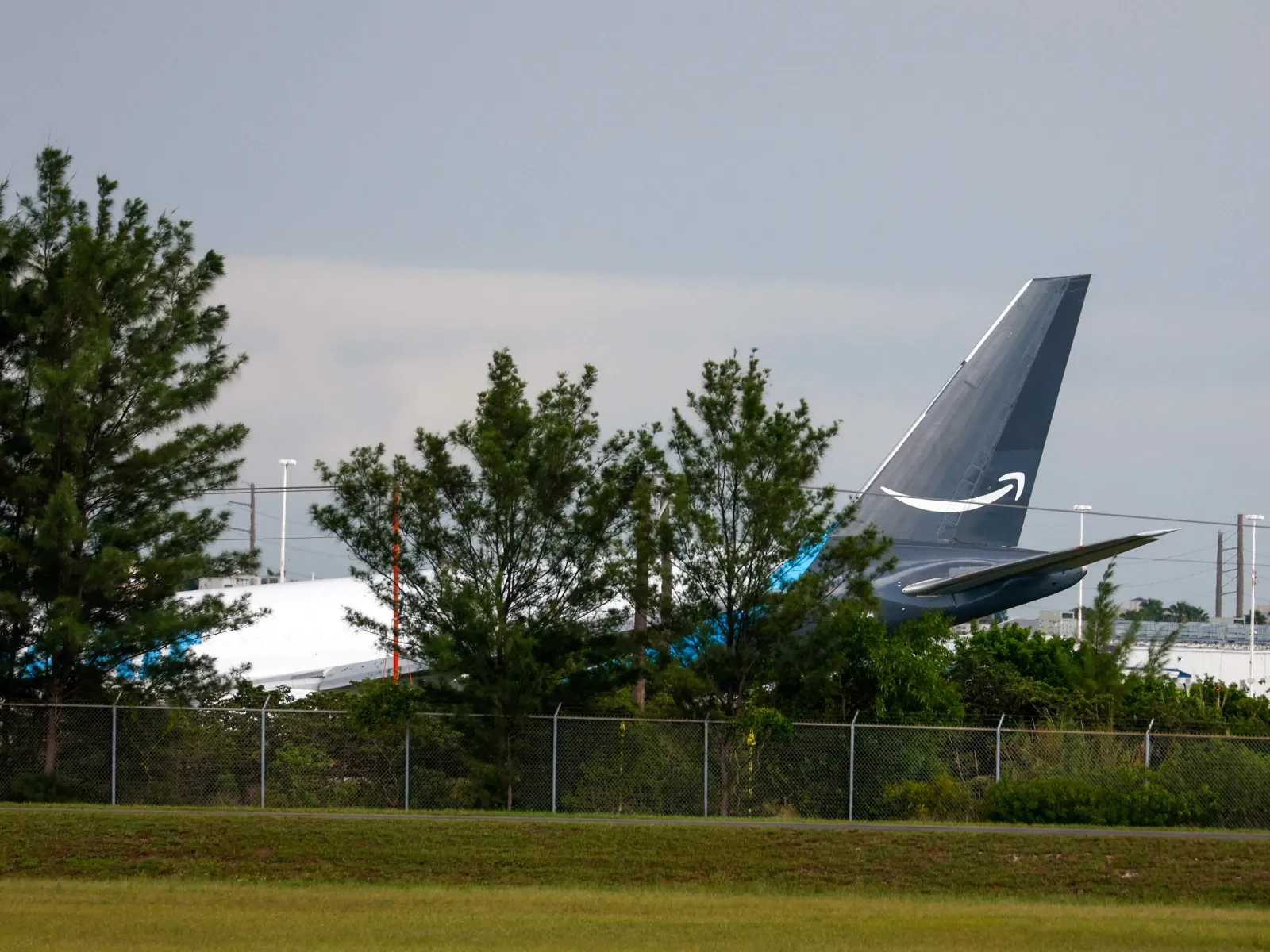
Amazon Prime Air 767 overshoots Miami runway, killing at least 5
The Boeing 767 freighter from San Juan struck vehicles and erupted in flames, prompting a ground stop and a fresh NTSB investigation into Amazon's air cargo network.
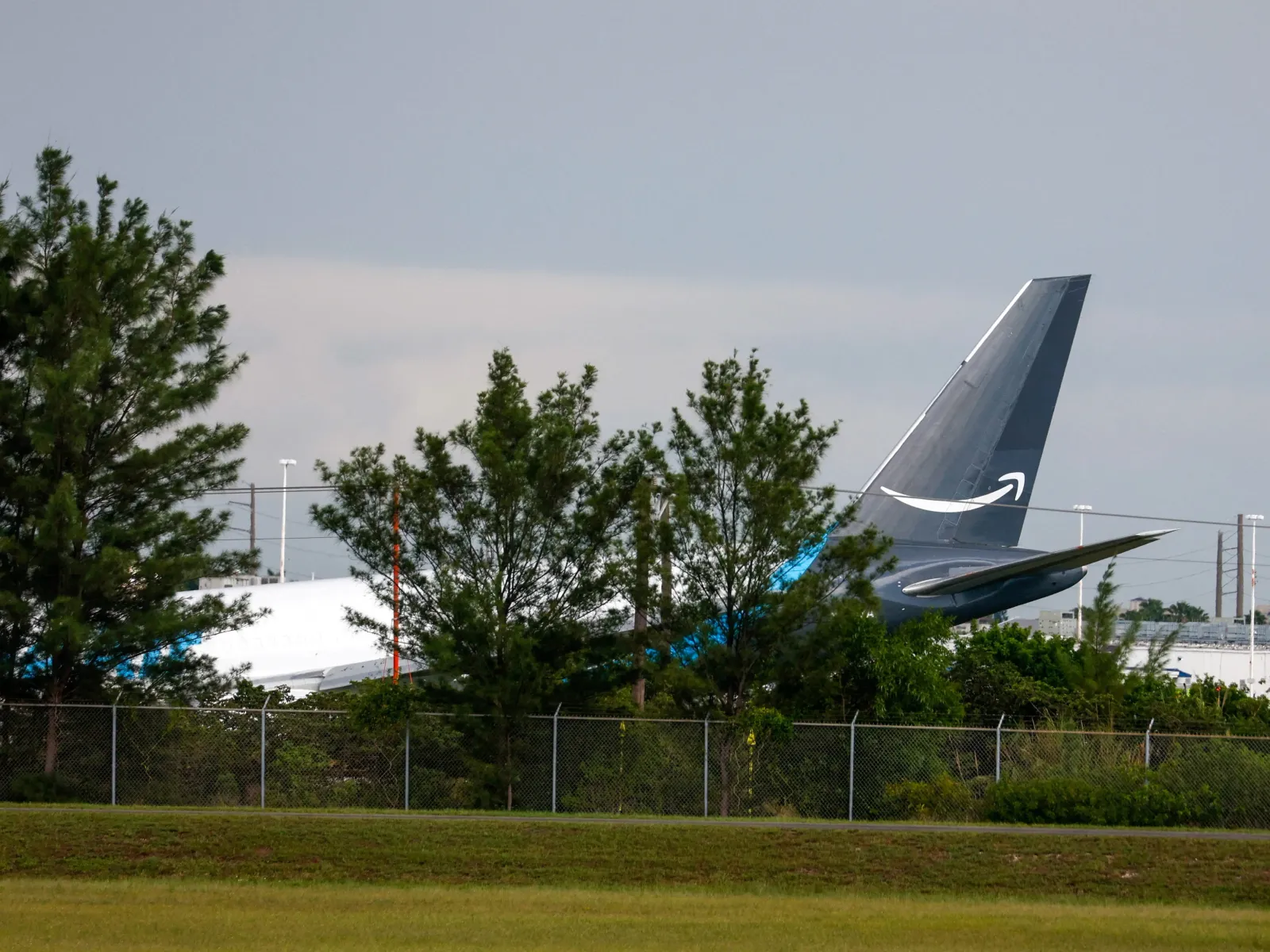
Amazon Prime Air 767 overshoots Miami runway, strikes vehicles, catches fire
The Boeing 767, operated by 21 Air, was arriving from San Juan when it overshot the runway, triggering a ground stop and multiple injuries.