
GLP-1 users cut grocery bills by £400 a year as take-up nears 1.9 million adults
Households with at least one GLP-1 user rose to 6.3% in Great Britain, reshaping grocery and pricing incentives.
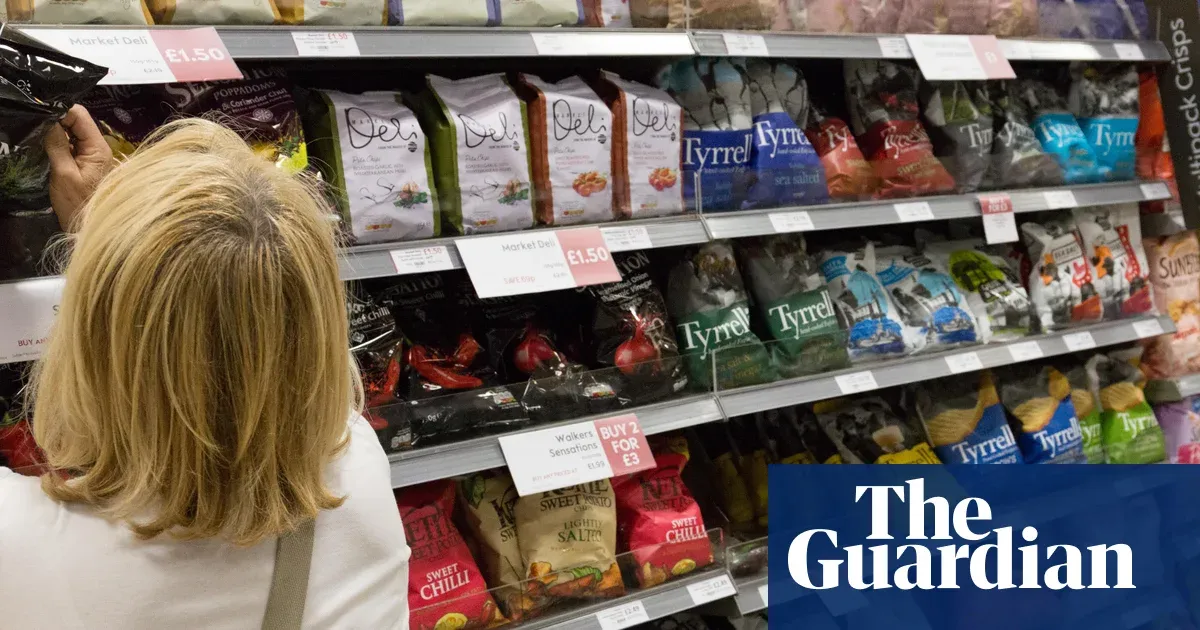
New research using Worldpanel by Numerator found GLP-1 use has nearly tripled in two years to 1.9 million adults. The study estimates users' households save more than £400 a year on grocery bills as shopping patterns shift away from snacks and treats.
Weight-loss drug users are saving more than £400 a year on grocery bills, and the take-up curve is climbing fast enough to change what stores stock, price, and promote. The new research says GLP-1 use in Great Britain has nearly tripled over the past two years, reaching 1.9 million adults. It also found that just more than 6.3% of households in Great Britain now include at least one GLP-1 user.
That matters because grocery spending is not just “background consumer behavior.” It is a predictable flow of margin for retailers and a feedback loop for brands. The study, from Worldpanel by Numerator, links GLP-1 use to buying fewer snacks and treats, including items like crisps and chocolate. In other words, when GLP-1 adoption rises, the demand signal is showing up in the basket, not just in health metrics.
The direction of travel is the bigger story. According to the survey, the share of households with at least one GLP-1 user rose from 2.3% in 2024 to 4.1% in 2025, and is now just over 6.3%. That is a steep climb over a short period, and it implies GLP-1s are moving from “early adopter” to a more mainstream household decision. For executives, that is the kind of shift that forces you to ask whether your assumptions about category growth are still calibrated to how people actually shop.
Why would a prescription lead to fewer crisps and less chocolate? The Guardian report frames the impact as reduced purchases of snacks and treats among GLP-1 users. The precise mechanism is not detailed in the excerpt, but the market implication is clear: GLP-1s are not only affecting pharmacy demand. They are changing discretionary grocery behavior, especially in categories built on impulse buys and frequent “treat” consumption.
This is also where regulatory context becomes strategically relevant, even if the excerpt does not go deep into it. GLP-1 drugs sit in a regulated, healthcare-driven category. That means adoption is influenced by approvals, prescribing patterns, and coverage decisions. When a regulated treatment begins to diffuse through the population quickly, downstream commercial effects can arrive before many retailers and consumer brands update their planning cycles. In practical terms, that can mean forecast errors: sales that were modeled for “normal” consumer preferences may arrive lower, while other categories may be relatively stronger.
For boards and C-suites, the second-order effect is not just lost snack revenue. It is margin reallocation and shelf strategy. If a meaningful slice of households reduces spending on snacks and treats, retailers may have to revise promotional intensity, space allocation, and pricing strategies to defend remaining categories. Brands that depend on frequent, low-consideration purchases can see demand volatility, particularly if the customer base starts self-selecting into different routines. Meanwhile, other parts of the store might benefit, for example staples and healthier alternatives, simply because the “treat” portion of the basket shrinks.
There is also an operational angle. Grocery retailers typically manage inventory and promotions with the expectation that category demand shifts are slow. A nearly tripled adoption rate, tied to measurable changes in shopping, suggests the pace could be faster than historical patterns. That can pressure supply chain planning and marketing budgets. It can also raise questions about customer segmentation: how quickly do teams learn which customer cohorts are already using GLP-1s, and how do they tailor assortment without becoming creepy or inaccurate?
Finally, think about signaling. The headline numbers here are not subtle. The study pegs GLP-1 use at 1.9 million adults and the household penetration at just more than 6.3% in Great Britain, with growth from 4.1% in 2025 and 2.3% in 2024. That is enough scale to start rewriting category narratives. If you are a CEO, CFO, or investor looking at consumer-facing businesses, this is a reminder that health product adoption can become an economic variable. The strategic stakes are straightforward: plan for a world where at least some households are quietly trading treat habits for prescription-driven outcomes, and make sure your business model can handle the shift before the next earnings call forces you to react.
This story's Key Insights and Take-aways are locked.
Create a free account to unlock Executive Actions for one credit.
Register to UnlockAlways free for Executives Club members. Join the Club
More in Business

Anthropic’s Levant Alpöge cracks the Jacobian conjecture after 87 years
A Harvard valedictorian used Claude to hit a 1939 breakthrough, but the missing “why” is the real problem.

Uber buys Delivery Hero for nearly $15B, vaulting to top food delivery outside China
The deal doubles Uber's dual-services footprint and pushes a ride-and-eats bundling play into 50 more markets.

Epic and Google drop settlement bid, forcing rival Android app stores by July 22
Google told the court it is ready to carry third-party app stores starting Wednesday, July 22.