
GLP-1 weight loss drives -1% luxury growth and -3% Q1 2026 estimates
Bain says GLP-1s are pushing shoppers toward new wardrobes and fancier, smaller meals, even as the sector cools.
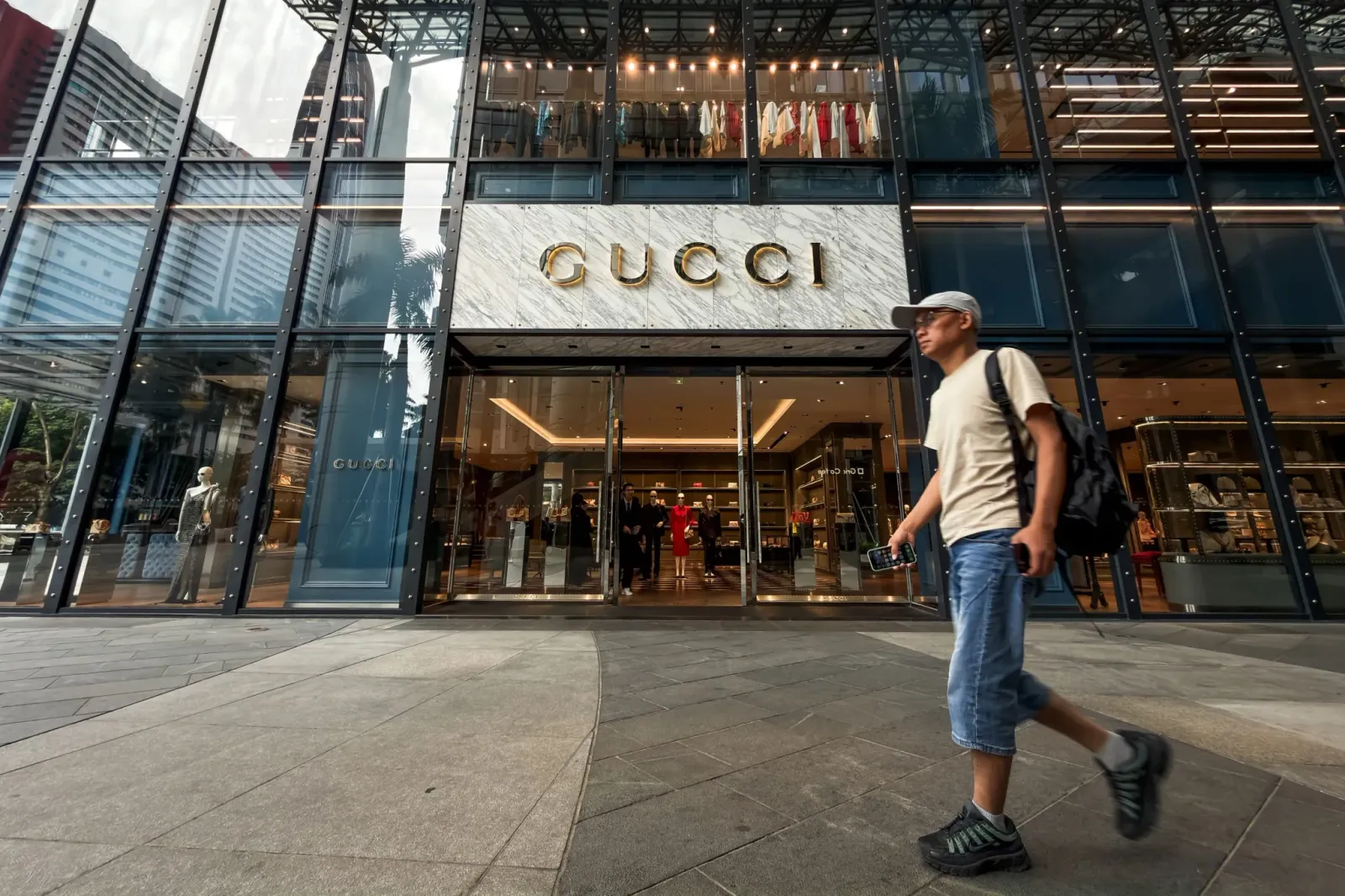
Bain & Co's Luxury Monitor, authored by Claudia D'Arpizio and Federica Levato, links luxury consumption to GLP-1 weight-loss medications like Ozempic and Mounjaro. For decision-makers, it reframes the luxury slowdown as a mix of regional risk and a consumer behavior shift with serious sizing, packaging, and assortment implications.
Luxury brands are getting a strange kind of tailwind right in the middle of a slowdown. Bain & Co’s Luxury Monitor shows luxury growth is down slightly, -1% year on year, with estimates for Q1 2026 at -3% on a constant exchange rate. But within that “soft” picture sits a very specific behavioral lever: GLP-1 weight-loss drugs are changing what people buy, how they shop, and what they expect from luxury.
According to Bain, a major driver of consumption is the use of GLP-1 medications, and Levato makes the link concrete in a way that hits right away: in the soft luxury categories like apparel and footwear, there is “the enthusiasm of having lost weight and so there is a direct correlation with ‘Let’s buy a new wardrobe.’” In other words, weight loss is not just health news. It is purchasing momentum. And it is showing up as a shift toward more frequent “shopping frenzy” behavior tied to higher consumer confidence. Levato clarifies that she is not describing confidence as a brighter macroeconomic outlook; she means self-confidence and “YOLO” (you only live once) sentiment, inspired first by the end of the pandemic and then amplified by “new options for self-confidence courtesy of drugs like Ozempic and Mounjaro.”
This is happening while luxury faces crosswinds that are harder to solve with merchandising alone. Fortune reports that military conflict in the Middle East has sent high-earning consumers scattering from the region and tightening purse strings. At the same time, the luxury sector has to manage the reality that AI and better shopping tools have made it easier than ever for consumers to find premium brands. The result is not a clean story of growth or decline. It is a split-screen: demand pressure in certain geographies, countered by individual-level behavior changes that can increase willingness to buy high-ticket items.
For brands, the biggest strategic question is who they are really serving. Levato says the key problem for the luxury sector is how to broaden its client base across generation, region, or income level. That question matters more now because GLP-1s can alter the distribution of body sizes among customers. Levato also highlights a practical and uncomfortable point: more people may fit the sometimes-limited sizing options offered by luxury brands. That can sound like a win for conversion, but it also raises a more nuanced fairness and inclusion issue, because the industry has already been criticized for not being inclusive.
The inclusion problem is measurable, and Vogue Business’s tracking makes the risk clearer. The Vogue Business Fall/Winter 2026 Size Inclusivity Report, released in March, found that of nearly 8,000 looks presented in the season, 97.6% were in so-called “straight sizes” of U.S. 0-4. The “mid-size” category (U.S. 6-12) had representation of 2.1%, while plus-sizes (U.S. 14+) were just 0.3%. That is down on last season, when mid-size looks made up 2% and plus-sizes made up 0.9%. Plus-size representation has dipped to the same level as FW25, the lowest since Vogue Business began tracking size inclusivity three years ago. In an era where GLP-1s can move body size outcomes for more consumers, Levato argues GLP-1 use presents an opportunity, even as it underscores the ethical tension around representation possibly moving backward.
Board-level implications get even sharper when you consider another effect Levato flags: affordable luxury brands are emerging. She notes that in the last two or three years, brands have focused primarily on the top 1% of wealth, and “they are not capitalizing on the value of the market where there is the vast majority.” Levato’s point is not subtle. If luxury keeps increasing prices, it cuts out some portion of the population. She also notes that other brands, particularly U.S.-based brands, have been “very good” at being more accessible on both sizes and price points, and those choices stay “in the minds and in the hearts of the consumers.” That is a direct competitive warning for traditional luxury houses with price power and a narrower customer funnel.
The GLP-1 factor also shows up beyond clothing. Levato signals that luxury experiences, especially restaurant dining, are changing. In restaurants, diners are eating less but shifting to higher-quality dining at the same time. The operational pattern matters: “Food brands are really doing smaller packages but with a higher intrinsic value of what they sell.” Levato says the customer buys less, the final price is not moving, and not because brands have higher margins, but because they put more quality into smaller portions.
Zooming out, what looks like “recovery” in certain categories can still coexist with weak sector-level numbers. Bain’s Luxury Monitor suggests the market is not uniform: regional shocks can cool high-earning consumer movement, while drugs like Ozempic and Mounjaro can increase demand in soft luxury and certain experience categories by resetting wardrobes and dining behaviors. For executives and boards, the stakes are straightforward: if luxury wants to benefit from this consumer behavior shift, it has to broaden its client base while handling sizing realities, competitive pricing pressure, and product packaging choices that match how consumption is changing. The luxury sector does not just need more demand. It needs the right demand, at the right price points, for the bodies and experiences consumers now feel empowered to buy.
This story's Key Insights and Take-aways are locked.
Create a free account to unlock Executive Actions for one credit.
Register to UnlockAlways free for Executives Club members. Join the Club
More in Business

A flaw in PHP just forced governments to pull their own sites offline
European agencies from Belgium to Germany took websites dark to patch a critical weakness in the language behind almost 70% of the web, and the blast radius extends far beyond government portals.

BioWare shuts down, Mass Effect 5 dead after $55B EA buyout
The legendary RPG studio's closure lands months after a $55 billion investment group buyout of EA, raising tough questions for gaming's biggest acquirers.

Musk weighs Tesla-SpaceX mega-merger as boards form review panels
Special committees at both companies will examine a tie-up that could fuse electric vehicles and space launch, forcing a fresh look at governance and valuation.