
“Go woke, go broke” didn’t stop The Odyssey: $257M opening weekend
Elon Musk’s criticism failed to dent box office, with market and reputational risks still landing on leadership.
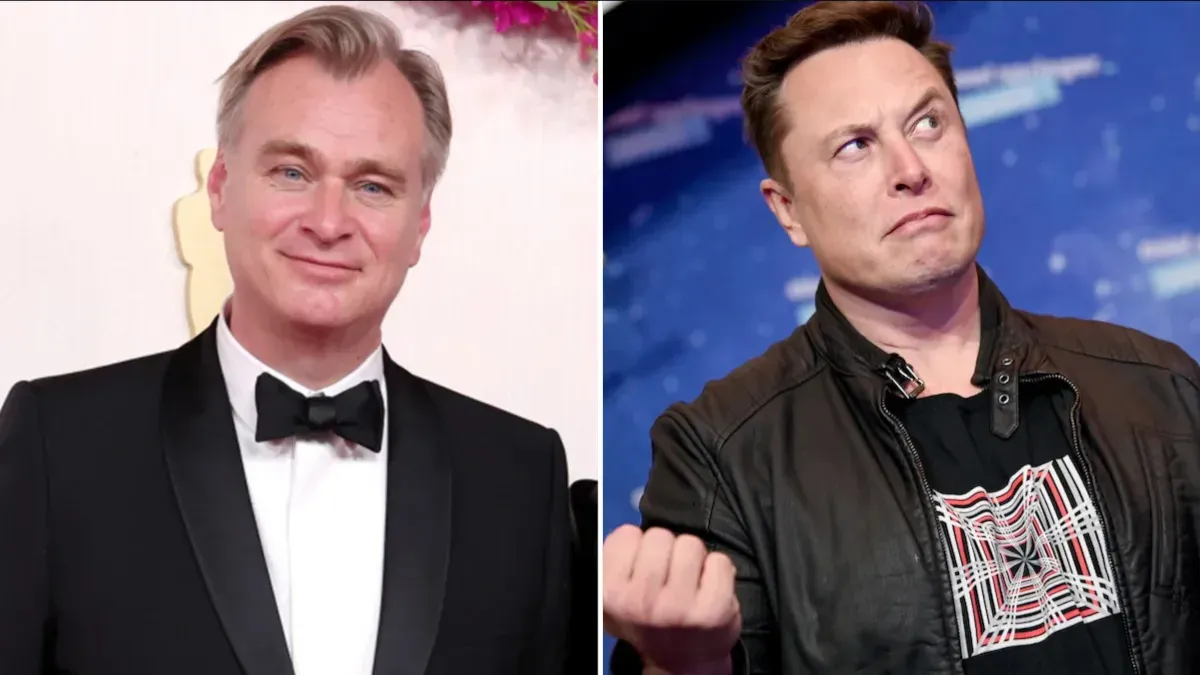
Elon Musk publicly criticized Christopher Nolan’s The Odyssey and its casting choices, but the film still posted an estimated $257 million worldwide opening weekend. For decision-makers, it is a reminder that viral culture-war narratives do not automatically translate into cashflow outcomes.
Elon Musk’s public tirades about Christopher Nolan’s The Odyssey and its casting choices have already been met with a blunt, financial rebuttal. According to the Consequence report, The Odyssey was estimated to reach $257 million worldwide in its opening weekend. In other words, the “go woke, go broke” framing did not show up in the receipts.
That matters because Musk’s critique was not subtle. The source describes him as a fan of the right-wing mantra “go woke, go broke,” and says he blabbed about The Odyssey’s casting choices and offered baseless opinions about Nolan’s intentions in putting those choices on screen. The box office performance, the report argues, proved his point less epic and more ephemeral. The film moved numbers first, narrative second.
Zoom out, and you can see why this is a board-level story even if you are not in entertainment. Culture-war commentary travels faster than box office tracking, and it often invites leaders to respond in public. But the opening weekend estimate in this case suggests a harsh truth for executives across sectors: audiences may process polarizing messaging, yet still reward the thing they came for. If a film delivers spectacle, craft, and star power, controversy becomes background noise instead of a veto.
There is also an incentive mismatch at play. Public figures like Musk can set the agenda with high-velocity rhetoric, and their followers may interpret silence or performance differently. Studios and theaters, meanwhile, operate on schedules, budgets, and distribution realities that do not pause for online storms. This is where second-order effects start to matter. When a high-profile narrative fails to change outcomes, the credibility cost is not only to the influencer. It also can distort how executives read future “signals” from social media and press cycles.
The Consequence piece frames Musk’s comments as racism tirades, and it says his opinions about Nolan’s intentions lacked grounding. Even without litigating the moral dimension in this summary, there is a practical governance lesson for leadership teams. When statements are framed as causation, but financial performance contradicts them, the risk shifts from “will the campaign work?” to “what did the campaign reveal about decision-making discipline?” Boards do not just ask whether a bet paid off. They also ask whether management understood what was actually driving the market.
Now connect that to how regulation and policy typically enter these debates. Even when a story is about film, public controversy often drags institutions into scrutiny, ranging from discrimination concerns to broader content standards. The source does not claim any regulatory action occurred here. But the general dynamic is familiar: social media pressure can increase the chances of oversight, complaints, or internal reviews, especially when messaging includes claims about race and intent. If leadership teams overreact to online narratives, they can end up spending time and attention on process and optics when the underlying market signals are different.
There is one more strategic implication for peers. If you are a CEO, studio executive, investor, or operator with a reputation to manage, you learn something uncomfortable from a story like this: you cannot control how people talk about your product, but you can control how you measure reality. Viral hot takes may feel like leading indicators. The opening weekend estimate of $257 million worldwide is a reminder that outcomes still have their own physics.
For decision-makers watching similar culture-driven narratives, the stakes are straightforward. Your team can be pulled into reactive messaging, internal conflict, or reputational firefighting. Or you can focus on the levers that move conversion and retention. In this case, the film’s early commercial performance suggests that the “epic” narrative of Musk’s rhetoric did not survive contact with the market. That is a lesson in incentives, governance, and measurement that does not expire just because the internet is loud.
This story's Key Insights and Take-aways are locked.
Create a free account to unlock Executive Actions for one credit.
Register to UnlockAlways free for Executives Club members. Join the Club
More in Entertainment

12TB Steam 'teraleak' goes beyond Valve: GTA 3, Mafia 2 prototypes exposed
A 12-terabyte dump of Steam data reveals prototypes and builds of third-party classics like GTA 3 and Mafia 2, plus unreleased Valve content, rewriting game history.

LinkedIn's romance problem: 1 in 4 workers say dating on it is fair game
A new survey shows a quarter of U.S. employees treat the professional network as fair game for romance, even as LinkedIn bans it and removes hundreds of thousands of offending posts.

Enhypen's first No. 1 album breaks K-pop's Billboard 200 streak
The K-pop group's 98,000-unit debut tops the chart while Dolly Parton's catalog reentry shows how death reshapes streaming.