
God of War show recasts Kratos after Ryan Hurst biceps tear derails filming timeline
Amazon MGM and Sony Pictures say recovery timing made the mid-August plan impossible, pushing shooting back to mid-October 2026.
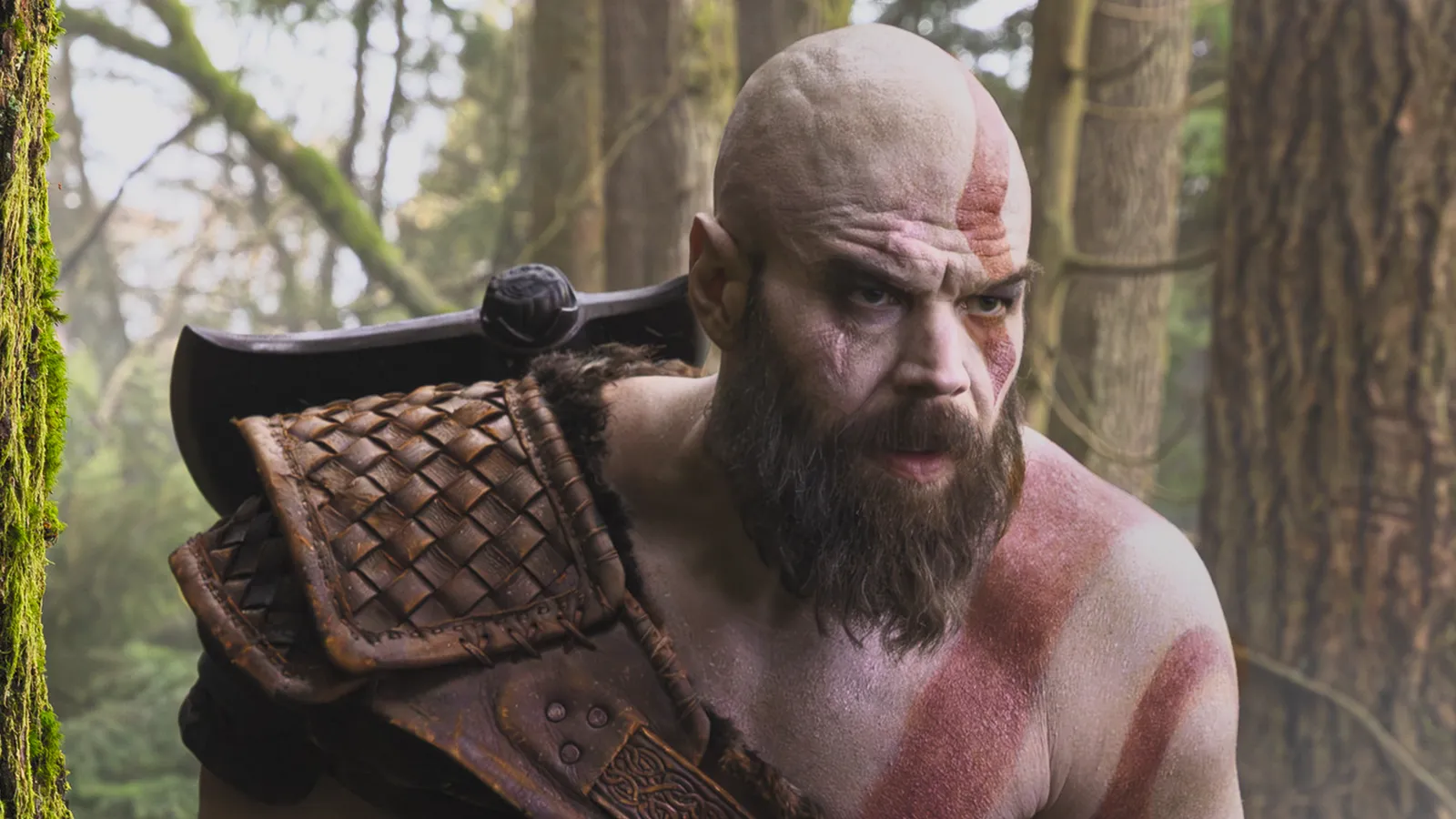
Ryan Hurst tore his bicep while filming a stunt for Amazon MGM and Sony Pictures' God of War show in Vancouver, according to TMZ and later Deadline. The injury forced a recast of Kratos and reshuffled production, with shooting expected to resume in mid-October 2026.
Ryan Hurst tore his bicep while filming a stunt for Amazon MGM and Sony Pictures' God of War show in Vancouver, and that physical problem has now become a production scheduling crisis. TMZ reported the injury was severe enough to require surgery, with Hurst out of commission past the producers’ optimistic mid-August timeline. Once recovery timing started to look incompatible with the series schedule, studios moved from “wait and see” to “rewrite the plan”: Deadline later confirmed that Kratos will be recast.
According to the subsequent reports, the recast decision came because Hurst’s recovery timeline would throw filming too far off schedule. TMZ initially floated the possibility that production could be pushed back as far as 2027, depending on how long it took Hurst to recover, but the final outcome is more specific and consequential for everyone watching the project: shooting is expected to resume in mid-October 2026, with prep to start in mid-August.
This is the kind of behind-the-scenes domino move that matters more than most viewers expect, because live-action fantasy is ruthlessly dependent on calendars. When you build a world like Kratos’s Spartan universe, you are stacking logistics: physical transformation, stunt planning, location availability, crew schedules, and the long runway required for post-production. The source material here emphasizes the timeline mismatch. In other words, the injury did not just pause a performer; it threatened the rhythm of an entire production system. Once that happens, studios tend to choose the option that protects downstream milestones, even if it means replacing a marquee role.
Hurst’s own preparation for the part was already part of the story. The reports say he stacked on 40 pounds to bring Kratos and his Spartan background to life. Deadline states that he has already undergone surgery and is now recovering from the procedure. That combination makes the recast especially high-friction, because casting a character like Kratos is not simply a quick swap. It is embodied work, including physicality and performance style, plus the chemistry required with the actor playing Atreus.
The show is not operating in a vacuum. It has already survived major upheavals that usually shake confidence: in 2024, Rafe Judkins exited the project as showrunner, and Amazon MGM later brought on Ronald D. Moore, known for Battlestar Galactica and Star Trek Deep Space Nine. On top of that, the adaptation will stream on Prime Video, and there has been no set release date. So every added delay has compounding effects, not just on marketing plans, but on how the broader audience and the talent pipeline stay engaged while the clock resets again.
The casting picture is substantial, and it gives a sense of what is on the line. A first-look image shared back in February featured Ryan Hurst as Kratos and Callum Vinson as Atreus. The reports also say Ed Skrien (Deadpool, Alita: Battle Angel) would take on the role of Baldur. The cast includes Mandy Patinkin as Odin, Ólafur Darri Ólafsson as Thor, Max Parker as Heimdall, and Teresa Palmer as Sif, with Danny Woodburn and Jeff Gulka portraying Brok and Sindri. On the motion-capture and voice front, Alastair Duncan, who provided the voice and mocap for Mimir in the games, is returning for the show as a member of the OG cast. With Kratos now in flux, studios will have to preserve continuity across all of those relationships while still meeting the revised production schedule.
There is also a second-order implication that execs and boards will clock immediately: switching the lead is not just an artistic change, it can create ripple effects in budgeting, insurance, and contractual planning. The source does not list the financial details, but it does draw a straight line between medical reality and schedule reality, including the possibility that filming could slide as far as 2027. Even with the updated expectation of mid-October 2026, each moved milestone increases the pressure on cost control and risk management. For decision-makers, this is a reminder that physical stunts are business-critical infrastructure, not extracurricular entertainment.
So while Amazon MGM and Sony keep their eyes peeled for a new Kratos and there is no word yet on who is being eyed to take over the role in Hurst's stead, the strategic stake is clear. Delay is the enemy of momentum, especially for tentpole adaptations with no set release date. And for peers building big IP-driven franchises, the lesson is not “injuries happen.” It is that a single schedule-breaking event can force recasting decisions, reshape production windows, and reframe the entire project timeline overnight.
This story's Key Insights and Take-aways are locked.
Create a free account to unlock Executive Actions for one credit.
Register to UnlockAlways free for Executives Club members. Join the Club
More in Entertainment

12TB Steam 'teraleak' goes beyond Valve: GTA 3, Mafia 2 prototypes exposed
A 12-terabyte dump of Steam data reveals prototypes and builds of third-party classics like GTA 3 and Mafia 2, plus unreleased Valve content, rewriting game history.

LinkedIn's romance problem: 1 in 4 workers say dating on it is fair game
A new survey shows a quarter of U.S. employees treat the professional network as fair game for romance, even as LinkedIn bans it and removes hundreds of thousands of offending posts.

Enhypen's first No. 1 album breaks K-pop's Billboard 200 streak
The K-pop group's 98,000-unit debut tops the chart while Dolly Parton's catalog reentry shows how death reshapes streaming.