

Godox’s C100 swaps color preview for a transparent LCD optical viewfinder
A lighting brand enters the point-and-shoot renaissance with a camera that looks through glass, not screens.
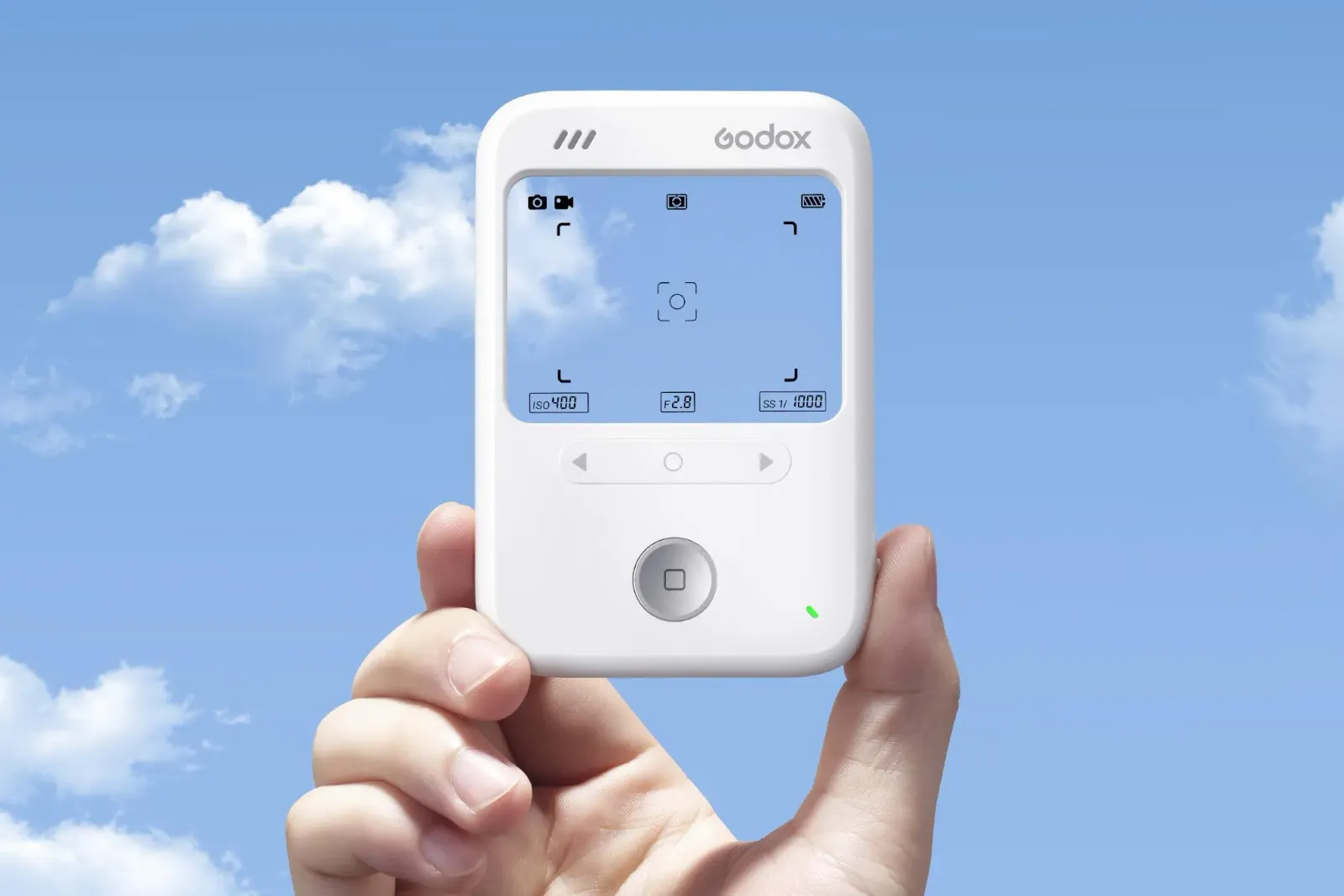
Godox, best known for photography lighting, is launching the C100 point-and-shoot camera featuring a transparent LCD that functions as an optical viewfinder. For decision-makers watching the camera market, it signals a new twist in the “simple camera” cycle: fewer screens, more immediacy, and a design that blurs camera and viewfinder roles.
Standalone point-and-shoot cameras are having an unexpectedly loud comeback, even as smartphones keep getting better at taking photos and shooting video. Within that revival, Godox, a company best known for photography lighting products, is moving into the simple-camera category with a new model called the C100. The most notable change is also the most visually odd: instead of a traditional color preview screen, the C100 uses a transparent LCD that doubles as an optical viewfinder.
That one design decision answers a simple question shoppers have been asking for years: when you shoot, do you want to stare at a screen, or do you want to look through your setup and frame the moment in front of you? Godox’s product page is thin on technical details like sensor resolution and video capabilities, but the viewfinder concept is clear from the description. The transparent LCD acts like a see-through interface. In other words, the screen is not merely something you glance at after the shot. It is part of the viewing path while you compose.
Why does this matter beyond gadget nerds? Because the renaissance of tiny point-and-shoots is not happening in a vacuum. The market is trying to claw back something that smartphones, despite their quality, can struggle to offer consistently: frictionless shooting. A smartphone is a Swiss Army knife. A point-and-shoot camera is a dedicated tool. When people buy slim cameras, they are often buying the experience of simplicity, immediacy, and a more deliberate shooting workflow. Even the source points at how the trend is playing out: the tiny Kodak Charmera remains wildly popular, and influencers have been hunting older Canon cameras on eBay. Those details are more than trivia. They show demand for specific form factors and shooting rituals, not just image quality specs.
Now add Godox into the picture. The company is best known for lighting, which typically lives in a different part of the production chain than consumer cameras. Lighting gear is about control, output, and consistency across shoots. When a lighting company builds a camera, it can imply a crossover mindset: focus on how the device behaves in real shooting conditions, not only on how it looks on a spec sheet. The C100’s transparent LCD approach fits that. By skipping a color preview screen and using the LCD as a viewfinder, Godox is betting that composition is the core moment people will care about. Whether that improves battery life, reduces distraction, or changes how quickly someone can start shooting is not spelled out in the source, but the design intent is visible.
There is also a second-order implication here for the way products compete in the “simple camera” space. Many categories get squeezed as tech cycles speed up. Smartphones add features, cameras chase megapixels, and everyone ends up in a specs arms race. Point-and-shoots survived because they offered something outside that arms race: a specific shooting experience, often tied to nostalgia or a particular feel. But even within “simple,” brands still have room to differentiate on human factors. A viewfinder that behaves like an optical path, instead of a full-color review screen, can shift the product’s identity from “mini smartphone camera” to “something you look through.” That identity matters for buyers who want a tool, not a touchscreen gadget.
Regulatory background might not be the headline here, but it matters indirectly in hardware product strategies. Cameras and displays are rarely regulated as a single category. Instead, compliance tends to show up as part of broader electronics requirements: radio connectivity if included, safety standards for batteries if present, and display-related standards in some regions. The source does not mention connectivity or battery specs for the C100, and it is explicitly thin on technical details. Still, for executives planning launches, the safer takeaway is general: when a product is minimal and avoids certain features, it can sometimes reduce the compliance surface area. Skipping a color preview screen, at least conceptually, could mean different parts and different testing paths. That is not a guarantee, but it is a practical lens boards and ops teams tend to use when time-to-market and cost of compliance are at stake.
For investors and operators watching the camera market, the C100 is a signal about where attention is moving: not toward more complexity, but toward rethinking the interface. The transparent LCD viewfinder is the kind of differentiator that can make a product headline-worthy even if the detailed specs are not front and center. The source also highlights that Godox’s product page withholds key technical details like sensor resolution and video capabilities. That can be strategic. When the spec story is incomplete, the design story has to be strong enough to pull people in. In a category powered by impulse and “wait, that’s different” moments, design can function as the sales narrative while engineering details catch up behind the scenes.
The strategic stake is simple. If point-and-shoots keep riding the renaissance wave, competitors will look for fresh reasons to choose a specific device, not just any small camera. A viewfinder that merges screen technology with optical framing could become a template for differentiation. And for brands outside traditional camera hardware, like lighting companies, the message is even bigger: you do not need to out-spec smartphones. You just need to get the shooting experience right, then make the product feel instantly worth trying.
This story's Key Insights and Take-aways are locked.
Create a free account to unlock Executive Actions for one credit.
Register to UnlockAlways free for Executives Club members. Join the Club
More in Technology

Nvidia's $89B data center quarter: the 9 companies cashing in
The AI buildout is minting fortunes beyond GPUs, and memory, cloud, and cooling suppliers are riding the same wave.

Google quietly links your phone number to every Android account on your SIM
Adding a SIM now ties your phone number to all Google accounts - and future accounts inherit it. Here's the security and privacy stakes.

Hijacker AI 'Skynet mode' runs 100,000 attack steps against exposed models
Symantec caught a criminal AI agent that borrows other models, steals data, and mines crypto; the only relief is no confirmed victims yet.