
GoFundMe CEO: Medical bills top our platform in all 20 countries
Tim Cadogan took over days before the pandemic and watched GoFundMe become a load-bearing part of American culture. Now he's grappling with what that means for a for-profit company.
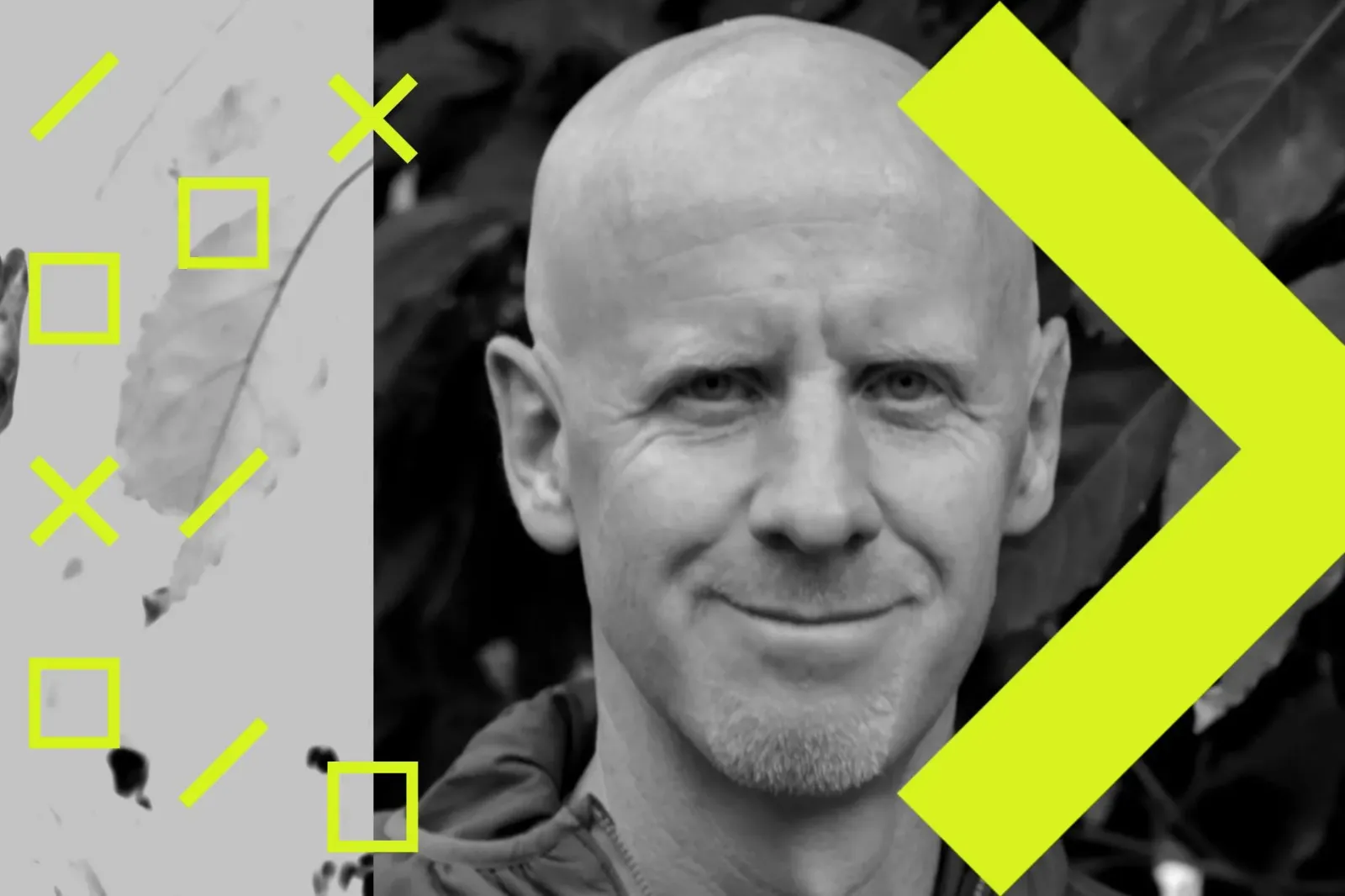
Tim Cadogan, CEO of GoFundMe, said medical expenses are the most popular fundraising category in every market the company serves, and that more than a third of American adults have used the platform. The revelation positions GoFundMe as a de facto safety net, forcing executives to weigh growth against the social responsibility of handling critical aid.
Tim Cadogan, CEO of GoFundMe, has a stat that should make every healthcare executive uncomfortable: medical expenses are the single biggest category of fundraising on his platform - not just in the US, but in all 20 countries where GoFundMe operates. That means the for-profit company has become a default financial backstop for people facing medical bills they cannot pay, a role that has only grown since Cadogan took the helm on March 2, 2020, days before the pandemic upended the world.
The numbers are staggering. Cadogan told The Verge that more than a third of American adults have used GoFundMe, and unaided brand awareness has jumped from the mid-30s to about 70 percent, with aided awareness in the low 90s. The platform has become so embedded in daily life that 'doing a GoFundMe' is now a verb in the vernacular, he said. But that ubiquity comes with a heavy burden: GoFundMe is effectively a proxy for the holes in America's social safety net, particularly healthcare.
Cadogan embraced the characterization of GoFundMe as 'load-bearing' for American culture, a phrase the interviewer used to describe the moment when the platform became essential infrastructure. He pointed to the pandemic as the inflection point, when millions of people needed help - not just for medical situations, but for lost work and shuttered small businesses. Tens of thousands of fundraisers sprang up for local restaurants and music venues, often created by loyal customers who wanted to support furloughed staff. The surge forced GoFundMe and its payment processors to adapt quickly, including navigating know-your-customer and know-your-business verification for businesses that no longer had physical offices.
The tension is that GoFundMe is a for-profit company. It collects fees and tips, and it feels pressure to grow. Cadogan was candid about the difficulty of deciding what money to make and what money not to make, especially when the platform is central to contentious news events and geopolitical conflicts. The company operates in 20 countries, and its role in political unrest has made it a lightning rod, but Cadogan said the core mission remains simple: 'We help people help each other.'
Cadogan's personal connection to the platform's mission is visceral. He lives in Altadena, California, where a wildfire in January 2024 destroyed 6,000 homes and displaced two-thirds of the population. GoFundMe became a critical tool for over 10,000 families in the Palisades to mobilize support from friends and family, he said. That experience underscores how the platform has become a first line of response in disasters, often before government agencies or nonprofits can act.
For executives in healthcare, insurance, and financial services, GoFundMe's dominance in medical fundraising is a warning sign. It signals that the existing systems are failing to cover basic needs, and that individuals are turning to peer-to-peer crowdfunding as a last resort. The fact that this pattern repeats across all 20 countries suggests it is not just an American problem, but a global gap in social safety nets.
The strategic stakes for GoFundMe are significant. As a for-profit entity, it must balance growth with the responsibility of handling sensitive, high-stakes fundraising. Cadogan's openness about the challenges suggests a leader who is aware of the scrutiny. For peers in similar roles - CEOs of platforms that have become critical infrastructure - the lesson is that scale brings both opportunity and obligation. The question is whether a for-profit model can sustain the trust required to remain the default backup plan.
Ultimately, GoFundMe's story is a mirror for the broader economy. When a crowdfunding site becomes the de facto safety net, it reflects a systemic failure that no amount of charitable giving can fix. Cadogan's interview is a reminder that the companies we rely on in crises are often the ones we least expect - and that their leaders must navigate a minefield of moral and financial decisions.
This story's Key Insights and Take-aways are locked.
Create a free account to unlock Executive Actions for one credit.
Register to UnlockAlways free for Executives Club members. Join the Club
More in Business
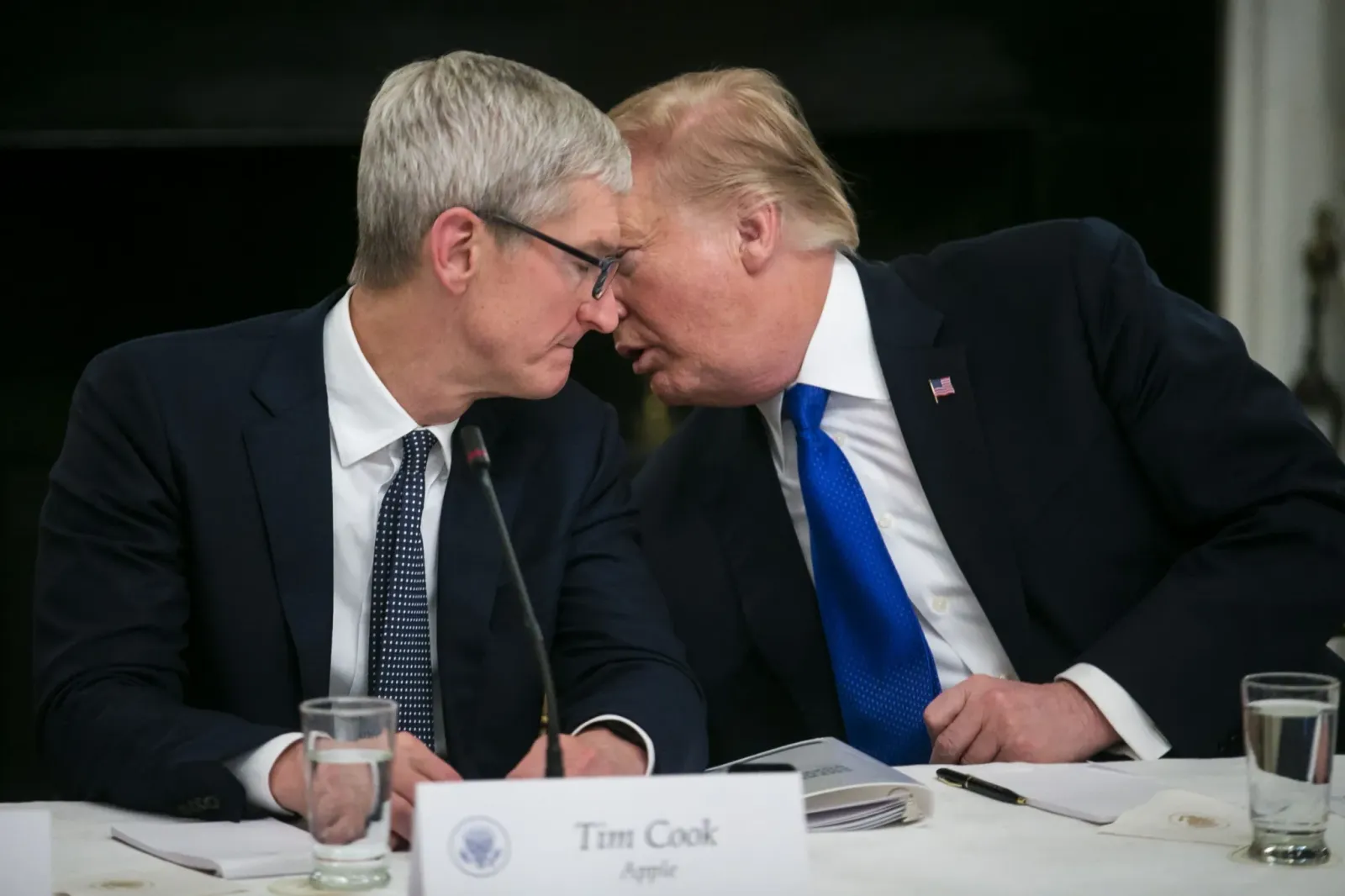
Tim Cook steps down as Apple CEO, stays on as chair with $45M equity
The 'Trump whisperer' keeps his White House and Beijing access as Apple navigates tariffs and a $4.6 trillion market cap.

Snowflake shares surge as AI data demand crushes estimates, lifting full-year forecast
Stocks jumped on stronger-than-expected guidance, signaling enterprise AI workloads are accelerating faster than Wall Street priced in.

Tim Cook's 15-year Apple CEO run ends: 3 lessons for any successor
After 15 years, Tim Cook hands Apple to John Ternus - here's how he turned a $350B company into a $4.6T juggernaut.