

Google now turns plain-English prompts into free Android apps, no code required
The developer barrier just collapsed: Google's free prompt-based tool lets anyone generate personal Android apps, opening the door for citizen builders and rapid internal prototyping.
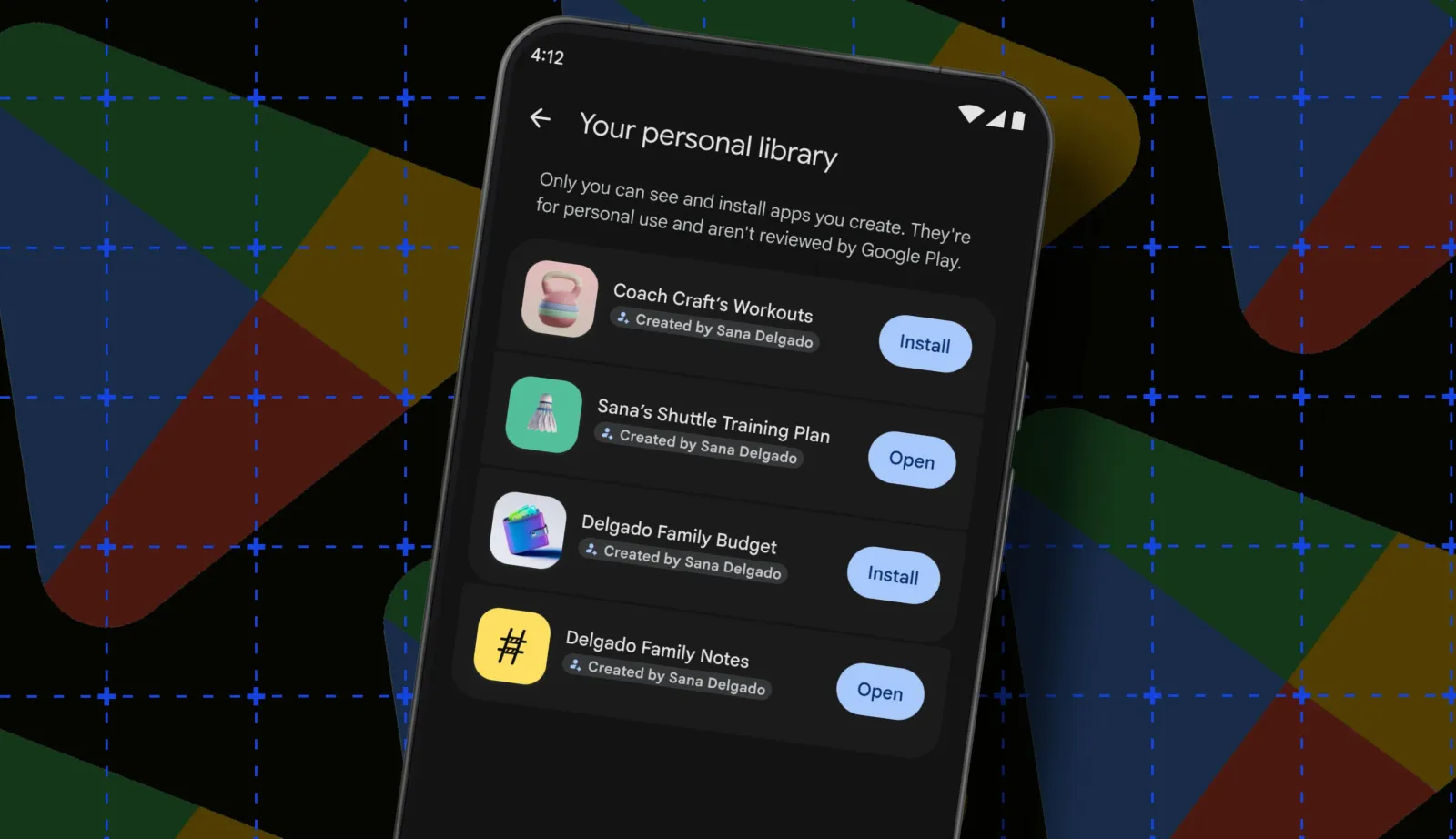
Google has introduced a free capability that lets users create personal Android apps using natural language prompts, with no developer experience required. For decision-makers, this signals a shift toward AI-generated software that could accelerate prototyping and empower non-technical employees to build their own tools.
Google just made it a whole lot easier to "vibe code" the exact Android app you need. The company now lets you create personal Android apps for free using nothing more than natural-language prompts, no developer experience required. That means the person who has been waiting for a simple expense tracker, a custom habit tracker, or a niche utility for their own workflow can now describe it in plain English and have a working app generated in minutes. The announcement, reported by ZDNet, frames this as a major step toward democratizing software creation, and it is exactly that for the millions of Android users who never opened an IDE.
For executives and operators, this is more than a consumer convenience. It is a signal that the cost of software creation is collapsing. Historically, building even a basic Android app required understanding Java or Kotlin, the Android SDK, and the deployment process. Google's new prompt-based approach removes those prerequisites, at least for personal-use apps, and puts the power of app generation into the hands of anyone who can articulate what they want. The phrase "vibe code" captures the shift: instead of writing code line by line, you describe the desired outcome and let the AI handle the implementation. That is a fundamental change in who gets to build software and how quickly they can do it.
The move is part of a broader industry trend. Major tech companies have been racing to embed generative AI into their developer platforms, from code completion tools to full app generators. Google's offering stands out because it is free and aimed at personal apps, not just enterprise development. That lowers the barrier to entry for hobbyists, students, and professionals who want to solve their own problems without waiting for an IT ticket. It also normalizes the idea that software can be a conversation, not a coding project. For a generation that grew up with app stores, the ability to create a bespoke tool on demand is a powerful new capability.
For businesses, the implications are double-edged. On one hand, citizen developers can now prototype internal tools in hours instead of weeks, freeing engineering teams to focus on core products. A marketing manager could generate a custom dashboard for campaign tracking; a logistics coordinator could build a quick inventory scanner. These are the kinds of small, personal apps that never justify a full development cycle but can save hours every week. On the other hand, unsanctioned apps can introduce security and compliance risks. A personal app that accesses corporate data, even unintentionally, could become a liability. IT leaders will need to establish clear policies around AI-generated code and personal app usage, especially as these tools become more capable.
The quality and maintainability of AI-generated code also deserve scrutiny. While prompt-based generation can produce functional apps, it may not follow best practices for security, performance, or accessibility. Over time, these apps may require updates as Android versions change, and the original "vibe coder" may not have the skills to maintain them. Organizations should treat AI-generated apps as prototypes that need review before they touch sensitive data. The same governance principles that apply to shadow IT apply here, but with a new twist: the barrier to creating a shadow app is now nearly zero, so the volume of unsanctioned software could explode.
For product leaders, the strategic takeaway is that the definition of "developer" is expanding. When anyone can build an app, the bottleneck shifts from coding ability to problem identification and prompt design. Teams that invest in teaching employees how to articulate requirements clearly will unlock more value from these tools than those that simply hand out access. Prompt engineering is becoming a core business skill, and the ability to specify what you want in precise, testable terms is now as valuable as knowing how to write a function. This is a cultural shift as much as a technical one, and it will reward organizations that embrace it early.
The broader lesson is that the software creation barrier is collapsing across platforms. Google's move will likely push competitors to offer similar free, prompt-based app generation, accelerating the trend toward user-generated software. For decision-makers, the time to prepare is now: establish governance, encourage experimentation, and watch for the next wave of apps built by people who never wrote a line of code. The personal app is just the beginning; the same technology will soon be applied to internal tools, customer-facing features, and entire product lines. The question is not whether your organization will use AI-generated software, but whether it will do so deliberately or by accident.
This story's Key Insights and Take-aways are locked.
Create a free account to unlock Executive Actions for one credit.
Register to UnlockAlways free for Executives Club members. Join the Club
More in Technology

Cop fired after sharing Flock login with ICE husband: 983 searches
A Savannah officer's shared credential let an ICE agent run hundreds of plate searches on Hispanic drivers, exposing a surveillance backdoor.

Elizabeth Holmes doc 'You Can See Everything' posts second-biggest doc debut ever
The true-crime draw shows fraud narratives still sell - a signal for media execs and a caution for founders.
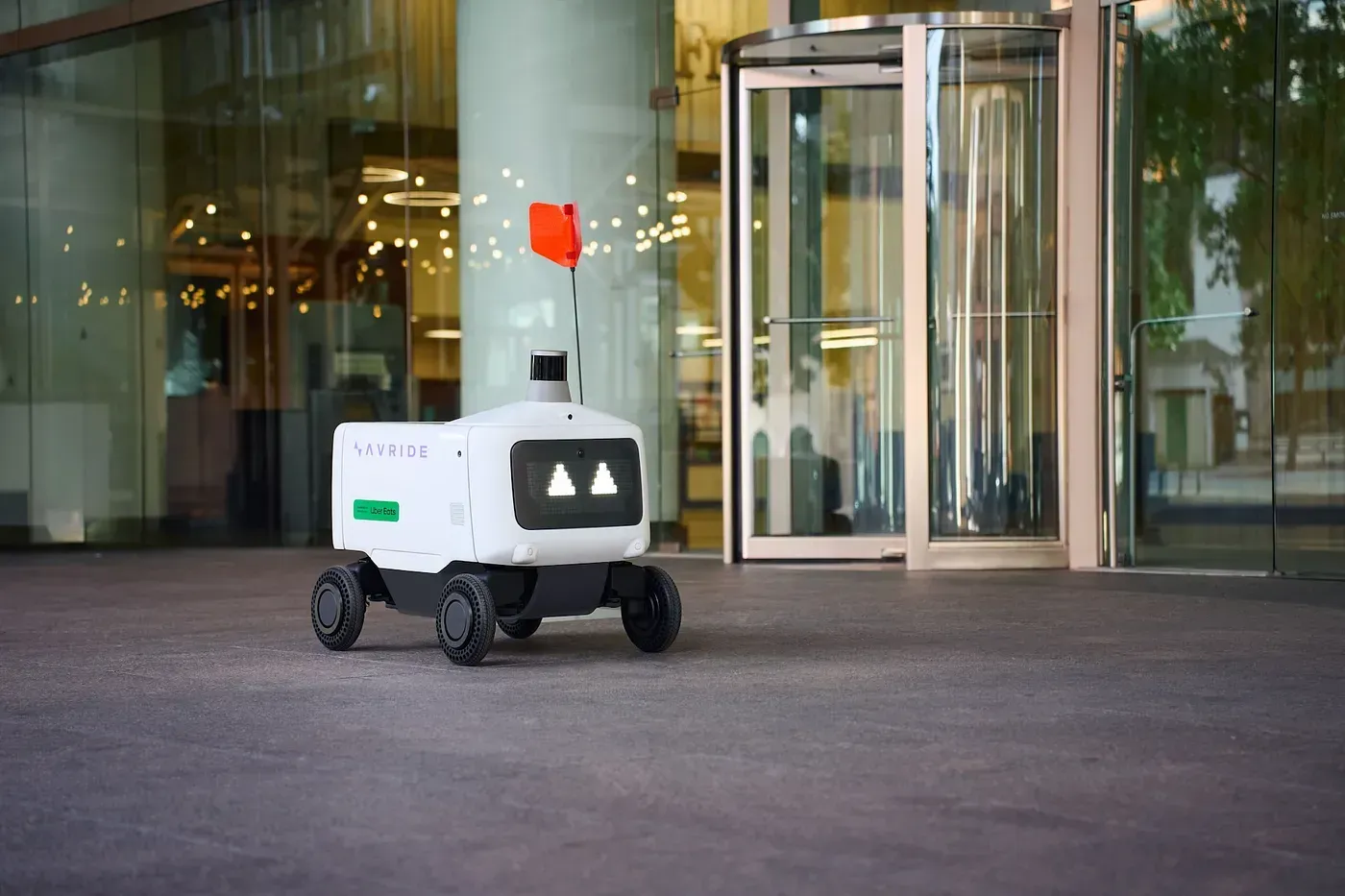
She blocked an Uber delivery robot to save jobs. Police arrested her.
Carolyn Marvin's disorderly conduct arrest turns a sidewalk standoff into a test case for how cities police the automation-versus-workforce debate.