
Google's Pakistan entry: Market bet or regulatory chess move?
The US tech giant's formal arrival in Islamabad ends years of arm's-length operations, but skeptics question whether it signals real commitment or a defensive play against tightening rules.

Google has made a formal entry into Pakistan, a move that has sparked debate over whether the US giant is genuinely investing in the market or responding to regulatory pressure. For decision-makers, the development signals a shift in how global platforms must engage with emerging markets where data sovereignty and local presence are becoming non-negotiable.
Google's formal entry into Pakistan is official, and the reaction from the country's tech community is a mix of celebration and suspicion. The US giant's decision to establish a formal presence in the South Asian nation, after years of operating through remote channels and third-party partners, has been framed by some as a vote of confidence in Pakistan's digital economy. But the move has also reignited a familiar question: is Google here to build, or is it here to comply, and what does that distinction even mean for the rest of us watching from the sidelines? The answer, as with most things involving Big Tech, is layered, and the stakes extend far beyond Islamabad's city limits.
The debate over motives is not without merit. For years, Pakistan's government and startup ecosystem have lobbied Silicon Valley to treat the country as more than an afterthought. With a population north of 240 million, a median age of around 23, and one of the fastest-growing internet user bases in the region, the market potential is undeniable. Yet, for a long time, the country has been a place where global platforms had a presence in theory but not in practice. Google's formal entry changes that equation, at least on paper. It means local entities to invoice, local teams to hold accountable, and a local office that can be summoned to answer for the platform's actions. For regulators who have long complained about the difficulty of holding foreign tech firms accountable, this is a significant shift.
But the skeptics' argument is equally compelling. They point to the timing of the announcement, which comes as Pakistan's government has been drafting new data protection and digital rights legislation that could impose strict requirements on foreign companies. By establishing a formal presence now, Google may be seeking to shape the conversation from the inside, gaining a seat at the table before the rules are written in stone. This is a playbook that has been used elsewhere in the region, where tech giants have preemptively established local offices to lobby for favorable terms on everything from taxation to content moderation. If that is the case, then Google's move is less about Pakistan's market potential and more about risk mitigation, a defensive posture dressed up as a growth story.
For the local tech ecosystem, the implications are significant. A formal Google presence could mean more direct investment in cloud infrastructure, better support for the country's booming freelance economy, and a potential anchor for other global tech firms considering a similar move. Pakistan's IT exports have been growing steadily, crossing the $3 billion mark in recent years, and the government has set ambitious targets to grow that figure. Having Google on the ground could accelerate that trajectory, providing the kind of credibility that attracts venture capital and enterprise clients. However, it could also mean increased competition for local players who have thrived in the absence of direct competition from global giants. The same companies that once saw Google as a partner for advertising and cloud services may now find themselves competing with it for the same enterprise contracts.
The regulatory angle cannot be overstated. Pakistan has been working to bring its digital economy in line with international standards, and having a formal counterpart in Google provides a clear point of contact for enforcement actions. This is a double-edged sword. On one hand, it streamlines communication and accountability. On the other, it creates a precedent where other countries in the region, including those with less friendly relations with Washington, may demand similar treatment. The ripple effect across South Asia could be profound, as India, Bangladesh, and Sri Lanka watch closely to see how Google's Pakistan operations are structured and what benefits they confer.
For executives in similar positions, the lesson is clear: the era of operating in emerging markets from a distance is ending. Whether driven by genuine market opportunity or regulatory necessity, the move toward local presence is accelerating. The companies that figure out how to navigate this landscape, balancing global standards with local expectations, will be the ones that thrive. Those that wait for the rules to be written for them may find themselves on the outside looking in, wondering what happened to their seat at the table.
This story's Key Insights and Take-aways are locked.
Create a free account to unlock Executive Actions for one credit.
Register to UnlockAlways free for Executives Club members. Join the Club
More in Business
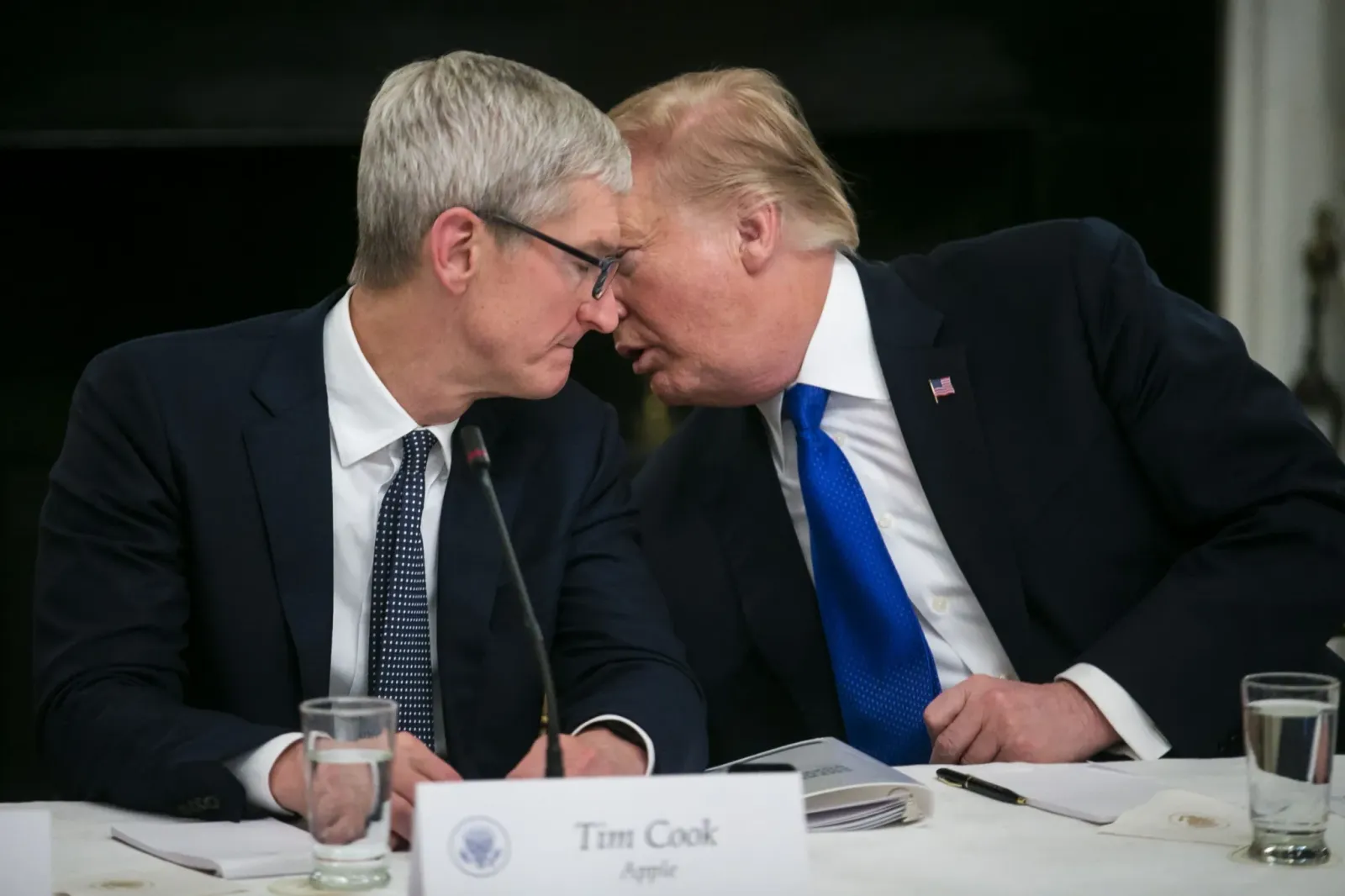
Tim Cook steps down as Apple CEO, stays on as chair with $45M equity
The 'Trump whisperer' keeps his White House and Beijing access as Apple navigates tariffs and a $4.6 trillion market cap.

Snowflake shares surge as AI data demand crushes estimates, lifting full-year forecast
Stocks jumped on stronger-than-expected guidance, signaling enterprise AI workloads are accelerating faster than Wall Street priced in.

Tim Cook's 15-year Apple CEO run ends: 3 lessons for any successor
After 15 years, Tim Cook hands Apple to John Ternus - here's how he turned a $350B company into a $4.6T juggernaut.