

Google ships the first speaker in six years, but Gemini still feels unfinished
The Home Speaker is built for Gemini, a smart-home reboot. The question: can it deliver today’s AI bar?
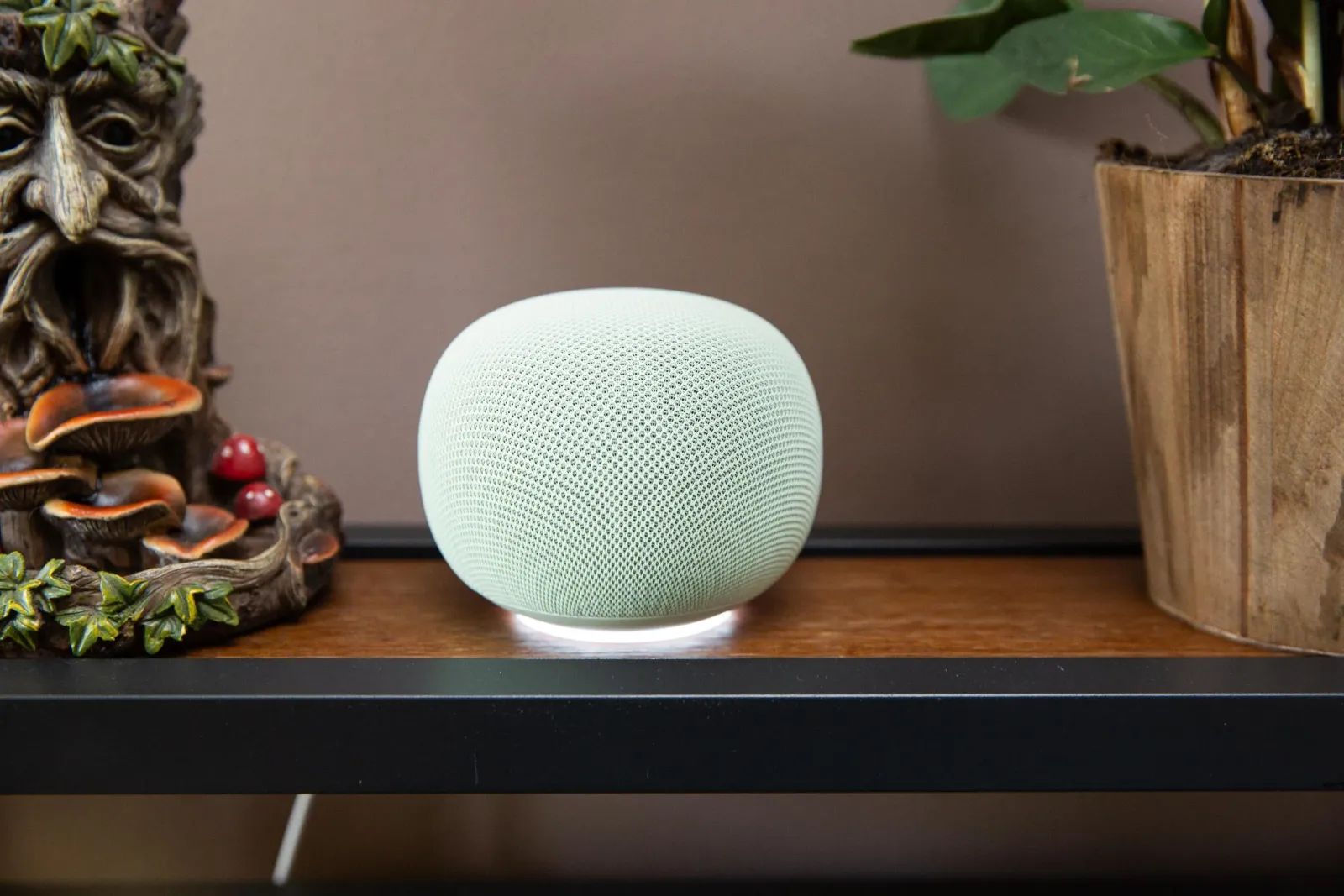
Google has launched the Google Home Speaker, its first new smart speaker in six years and its first “built for Gemini.” The rollout matters because it signals whether Google’s AI push can finally give smart speakers a reason to exist beyond timers and music.
Google just shipped its first new smart speaker in six years, and the company is telling you exactly what this thing is for: Gemini. The Google Home Speaker is Google’s first “built for Gemini,” and it also marks a rare moment of focus in a product category that has been coasting on pretty hardware and basic chores.
The catch is in the same sentence as the promise. Smart speakers have spent the past few years searching for a compelling second act, beyond music, timers, and controlling your lights. AI was supposed to change that. But in The Verge’s framing, Gemini for Home still feels unfinished, meaning Google’s “built for Gemini” pitch has momentum, not closure.
To understand why this matters, you have to zoom out to the smart speaker battlefield. The category never died, but it also never fully justified the counter space. Amazon debuted new hardware powered by a revamped Alexa last fall, which is the key context for Google’s timing. In other words, Google is not just launching a speaker. It is responding to a rival that used AI-powered assistant improvements to keep the platform relevant when “set a timer” stopped being enough.
Google’s new speaker is the clearest sign yet that Google appears to be finally getting serious about the smart home again. That “again” is important. Smart home attempts tend to rise and fall with two things: the assistant experience users actually want to use and the ecosystem integrations that make the device feel indispensable. A speaker can be cute, but it is only strategically valuable if it becomes the daily interface for voice, routines, and context. Gemini for Home is the supposed upgrade path for that, but The Verge suggests it is not fully there.
This is where decision-makers should pay attention. The smart speaker category is one of the few consumer hardware plays where the software layer is the real product. If the AI assistant experience feels incomplete, you do not just risk user dissatisfaction. You risk slowing the entire feedback loop that makes assistants improve: real conversations, real commands, real refinements. A “built for Gemini” device that still feels unfinished can leave users with a gap between expectation and daily usefulness.
There is also a platform dynamic at work. When Amazon refreshed its Alexa-powered hardware last fall, it effectively positioned its assistant as the reason to upgrade hardware, not the other way around. Google’s speaker tries to do the same, but Gemini’s readiness becomes the determinant. In a market where customers already know how to control lights, the differentiator has to be the assistant. If Gemini for Home is still in progress, Google is launching with a product that may be more proof of direction than proof of outcome.
Now bring in the second-order implication for the people in the room making these bets. Smart-home products often sit at the intersection of consumer electronics, cloud services, and AI research. If the assistant layer does not meet expectations, it can force teams to spend more time tuning software, expanding capabilities, and tightening integration timelines. That can also shift how boards and exec teams evaluate success metrics. Instead of purely tracking shipments, they will need to track assistant quality, engagement, and retention within smart-home use cases, because the device is only the doorway.
For peers and investors watching this space, the message is clear. Google is using the Google Home Speaker as a high-signal test: does Gemini for Home reach the bar required to turn a nice kitchen gadget into a daily AI interface. If it does, Google gets a distribution channel into the home that can outlast the initial novelty cycle. If it does not, the category keeps looking for that elusive second act, and counters remain crowded with devices that do one thing well and nothing else convincingly.
This story's Key Insights and Take-aways are locked.
Create a free account to unlock Executive Actions for one credit.
Register to UnlockAlways free for Executives Club members. Join the Club
More in Technology

Nvidia's $89B data center quarter: the 9 companies cashing in
The AI buildout is minting fortunes beyond GPUs, and memory, cloud, and cooling suppliers are riding the same wave.

Google quietly links your phone number to every Android account on your SIM
Adding a SIM now ties your phone number to all Google accounts - and future accounts inherit it. Here's the security and privacy stakes.

Hijacker AI 'Skynet mode' runs 100,000 attack steps against exposed models
Symantec caught a criminal AI agent that borrows other models, steals data, and mines crypto; the only relief is no confirmed victims yet.