

Google tests routing Chrome searches into AI Mode by default
The experiment shifts search behavior in Chrome, pushing users toward AI Mode unless they intervene.
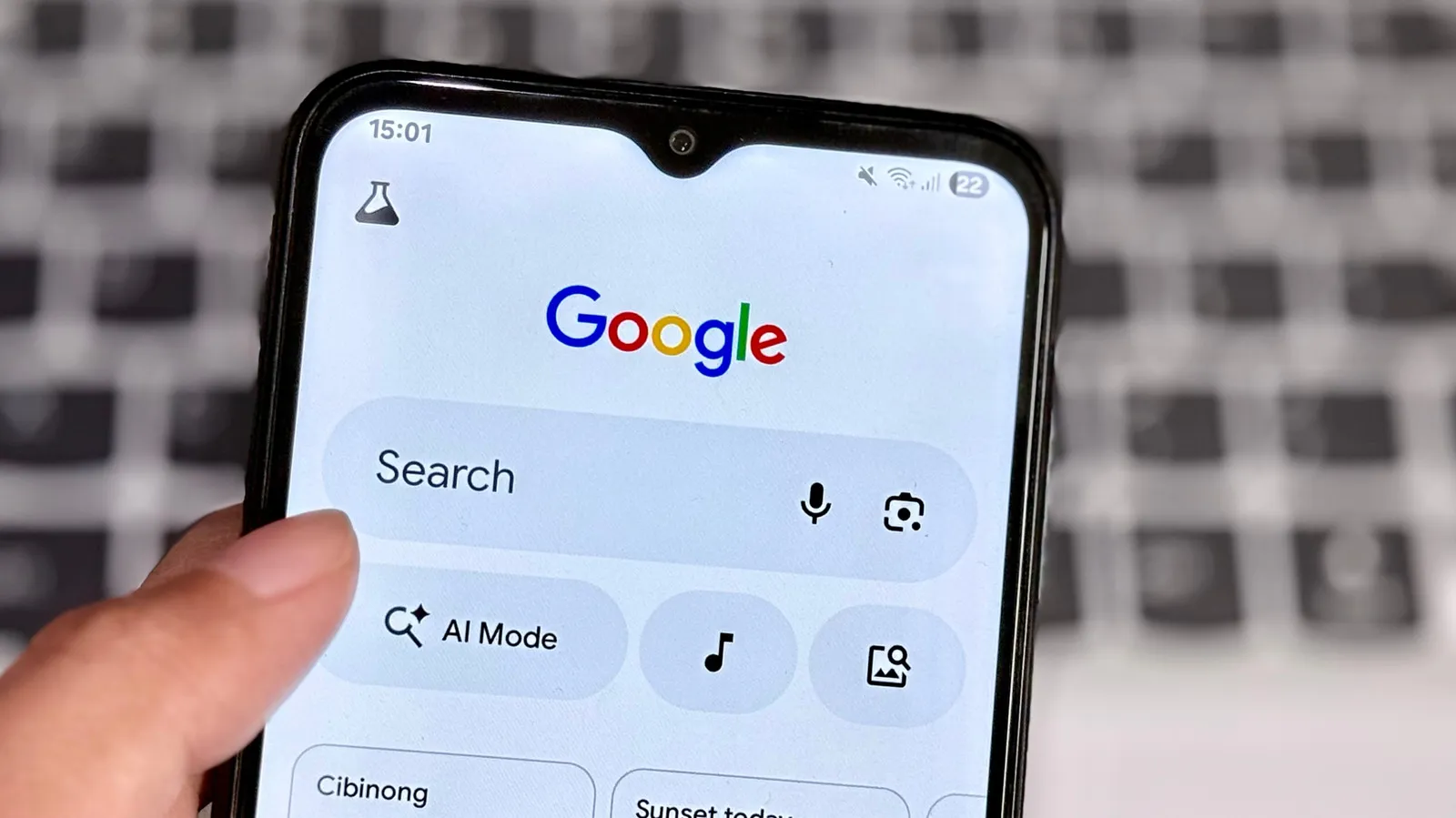
Google appears to be testing a new Chrome behavior that takes users to AI Mode by default after they run a search. For decision-makers, the move matters because it changes the default product path, and defaults increasingly decide revenue and user habits.
Google is testing a new Chrome flow: when you search in Chrome, the browser seems to take you to AI Mode by default. That sounds small, but “default” is where product strategy gets real. If the user has to opt out instead of opting in, the majority behavior can shift quickly.
Engadget reports that Google is experimenting with a feature that routes Chrome searches straight to AI Mode. In other words, instead of sending you to a traditional search results page first, Chrome appears to push you toward Google’s AI experience right after the query. If accurate, this is a meaningful product change because it short-circuits the usual user journey.
To understand why executives should care, zoom out to how modern search products behave. Search is not just a tool, it is a funnel. The query gets entered, the user gets results, and then follow-on actions happen on those results pages, including clicks, shopping behavior, and navigation to deeper surfaces. Alter the initial surface, and you alter what gets seen, what gets clicked, and how quickly users move from discovery to answers.
Historically, both regulators and policymakers have watched the “gatekeeper” nature of search carefully. While the Engadget piece is about a Chrome experiment and does not mention legal action or filings, the regulatory background is still relevant for decision-makers making bets in similar categories. Search defaults can raise questions about fairness, competition, and whether third-party content is being promoted or demoted by default UX choices. Even if the intent is improving usability, regulators tend to focus on outcomes. Defaults can change outcomes at scale.
There is also an incentives angle that matters inside product and platform organizations. When AI becomes the primary interaction surface, the company that owns the default experience can decide how queries are answered, how “assistive” content is presented, and how users are guided to next steps. That can also affect the advertising ecosystem and measurement. If users are diverted earlier into an AI interaction, the visible layout and timing for ads and links can change, which in turn can change performance, reporting, and pricing. For boards and CFOs, that kind of change is often less about the immediate UI and more about the downstream metrics.
Second-order implications extend beyond ads. AI Mode likely shifts the information retrieval pattern from browsing results to consuming synthesized responses. That changes what publishers and developers optimize for, and it can change traffic quality. If the experiment nudges users toward AI Mode immediately, the traditional “evaluate multiple results” behavior may weaken for some queries. That can be good or bad depending on the query type, but either way it changes the relationship between user intent and what they end up seeing first.
Executives at competitors, ecosystems, and adjacent platforms should also pay attention. Chrome is a highly distributed distribution channel. When Google experiments with Chrome-level defaults, other players cannot easily ignore it because user expectations follow the default experience. Over time, users may come to expect AI Mode as the default for search-like queries, and that raises the bar for other browsers, search providers, and AI assistants that want to remain competitive.
So what is the strategic stake? This looks like a product experiment, but the lever is huge: default routing. If Google can move more searches into AI Mode by default, it potentially accelerates user adoption of its AI experience and reshapes the economics of the search journey. For decision-makers, the key question is not just “what does the UI do,” it is “where does the user journey end up when the user does nothing.” In search, doing nothing is often the highest-impact choice.
This story's Key Insights and Take-aways are locked.
Create a free account to unlock Executive Actions for one credit.
Register to UnlockAlways free for Executives Club members. Join the Club
More in Technology

OpenAI says 10,000 agents cracked a 90-year math problem in 88 hours
The company's claim is audacious, but one mathematician is pushing back. Here's what it means for AI-driven discovery.

Meta still serves child sexual abuse ads on Instagram in India - BBC report
A new report following the BBC Eye investigation says the ads are still there - what it signals for every platform with a self-serve ad engine.

White House yanks 'Build the Wall' game after Tetris Company copyright warning
The administration's arcade game vanished in hours - and the takedown playbook every brand can learn from.