
Googlebooks land with a janky start, but phone-laptop magic shines
Google's five Android laptops hit shelves October 4th. Our first impressions: Chromebook vibes, some jank, and a genuinely new phone-laptop link.
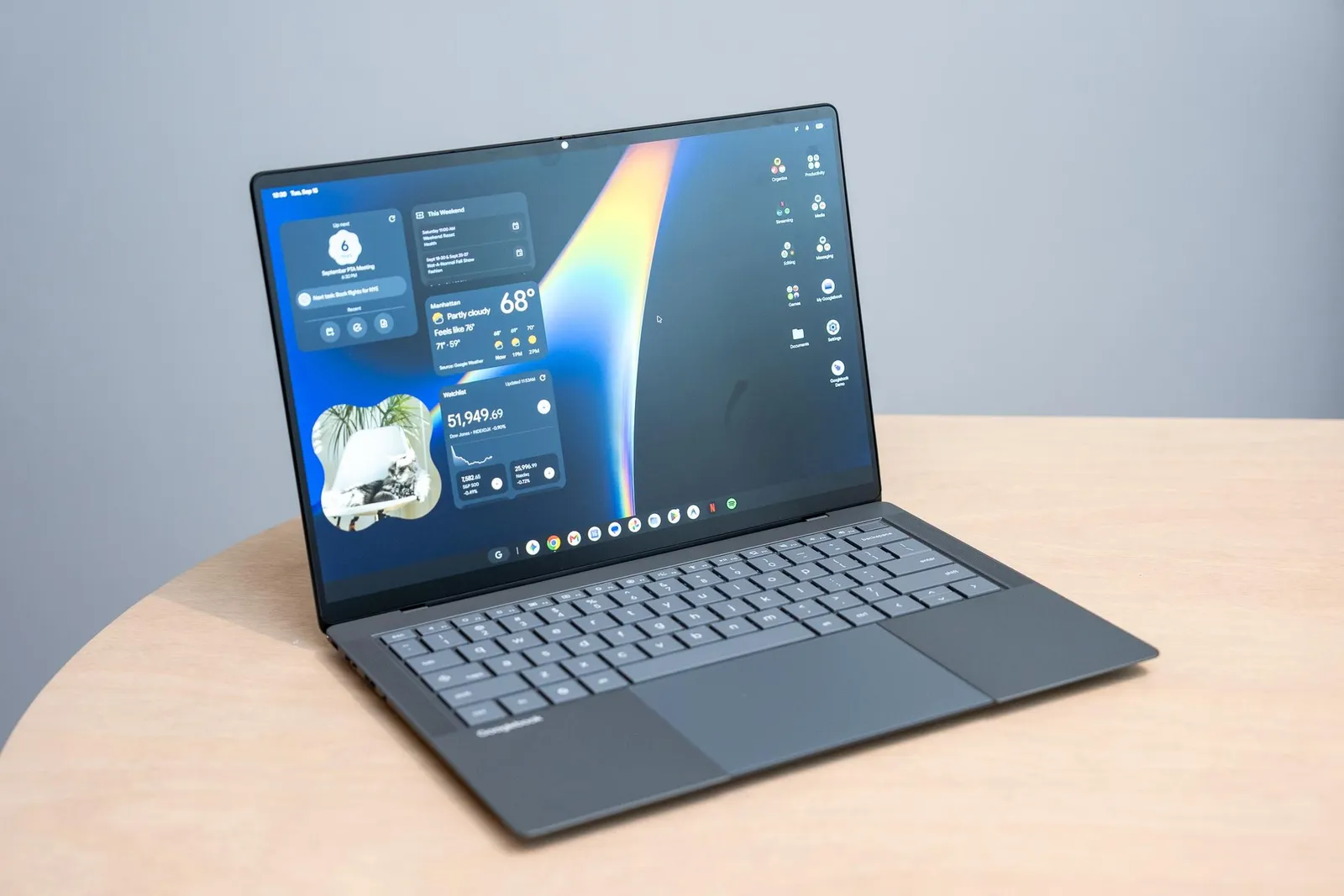
Google launched five Googlebooks Android laptops on October 4th, and The Verge's first impressions call them exciting but underbaked. For decision-makers, the early verdict signals a promising but unfinished entry into the laptop market.
Googlebooks are here, and they are exactly what the name promises: five Android laptops that went on sale Sunday, October 4th. The Verge received review units of all five about 24 hours ago, and the first impressions are in: these devices feel very Chromebook-ish, at times a little janky, but they carry some genuinely new ideas about how a laptop and phone interact. That mix of rough edges and real innovation is why the early verdict lands as "exciting but underbaked" - a phrase that should make both fans and competitors pay attention.
The most intriguing piece is the phone-laptop connection. You can already link a phone to a Windows laptop to sync notifications, and you can mirror your whole iPhone on macOS. Googlebooks go further: they let you take actions on your phone from your laptop in a way that feels like a step change, not just a convenience. That is the hook that separates Googlebooks from the Chromebooks that came before them, and it is the reason this launch matters beyond the hardware itself.
For context, Google has spent years pushing Chromebooks into schools and budget-conscious buyers, but the laptop market has been dominated by Windows and macOS. Googlebooks represent a new bet: Android as a full desktop operating system, not just a mobile one. The five models suggest Google is testing the waters across price points and form factors, but the early jankiness indicates this is a first-generation effort. Historically, first-gen hardware from any company comes with trade-offs, and Google is no exception.
The underbaked feel is not a dealbreaker, but it is a signal. For consumers, it means waiting for software updates or a second revision might be wise. For business buyers, it means piloting before committing. The phone-action feature is the kind of differentiator that could win over power users who live in both their phone and laptop, but only if the jank gets smoothed out. The Verge's testing is ongoing, so the full picture is still forming, but the first 24 hours reveal a product with clear ambition and equally clear rough patches.
Strategically, Googlebooks put pressure on Apple and Microsoft to rethink how tightly their ecosystems tie phones to laptops. Apple has Continuity and Microsoft has Phone Link, but Googlebooks' action-taking capability raises the bar. If Google can refine the experience, it could carve out a niche for users who want Android's flexibility on a bigger screen. If not, it risks becoming another footnote in the long list of failed laptop experiments.
For executives watching this space, the takeaway is not whether to buy a Googlebook today, but whether Google's ecosystem bet will force a response. The laptop market is mature, but the phone-laptop interaction layer is still young. Googlebooks are the most aggressive attempt yet to blur that line, and even an underbaked first attempt is enough to make rivals check their roadmaps.
The next few weeks of testing will tell us whether the jank is cosmetic or fundamental. But the initial impression is clear: Googlebooks are not just another Chromebook refresh. They are a statement of intent, wrapped in hardware that is not quite ready for prime time. For now, the excitement is real, the execution is a work in progress, and the market should watch closely.
This story's Key Insights and Take-aways are locked.
Create a free account to unlock Executive Actions for one credit.
Register to UnlockAlways free for Executives Club members. Join the Club
More in Technology

A Chinese rocket deorbited over Minnesota and landed in a farmer's cornfield
Experts tied the fragment to LandSpace's Zhuque-2E, which launched on September 15 and shed debris over the American Midwest after deploying 10 satellites.

JPMorgan Chase deploys first $5B into defense tech and hypersonic missiles
The bank is moving off its balance sheet to back robot factories, hypersonic missiles, and supply chains, signaling a new era of bank-backed military innovation.

Cop fired after sharing Flock login with ICE husband: 983 searches
A Savannah officer's shared credential let an ICE agent run hundreds of plate searches on Hispanic drivers, exposing a surveillance backdoor.