

GoPro's $285M Starman sale: cameras stay 'core DNA,' Markiplier goes unmentioned
In a letter to customers, GoPro's CEO promises the business keeps its 'core DNA,' yet the deal is being framed around national security and the largest individual shareholder gets no mention.
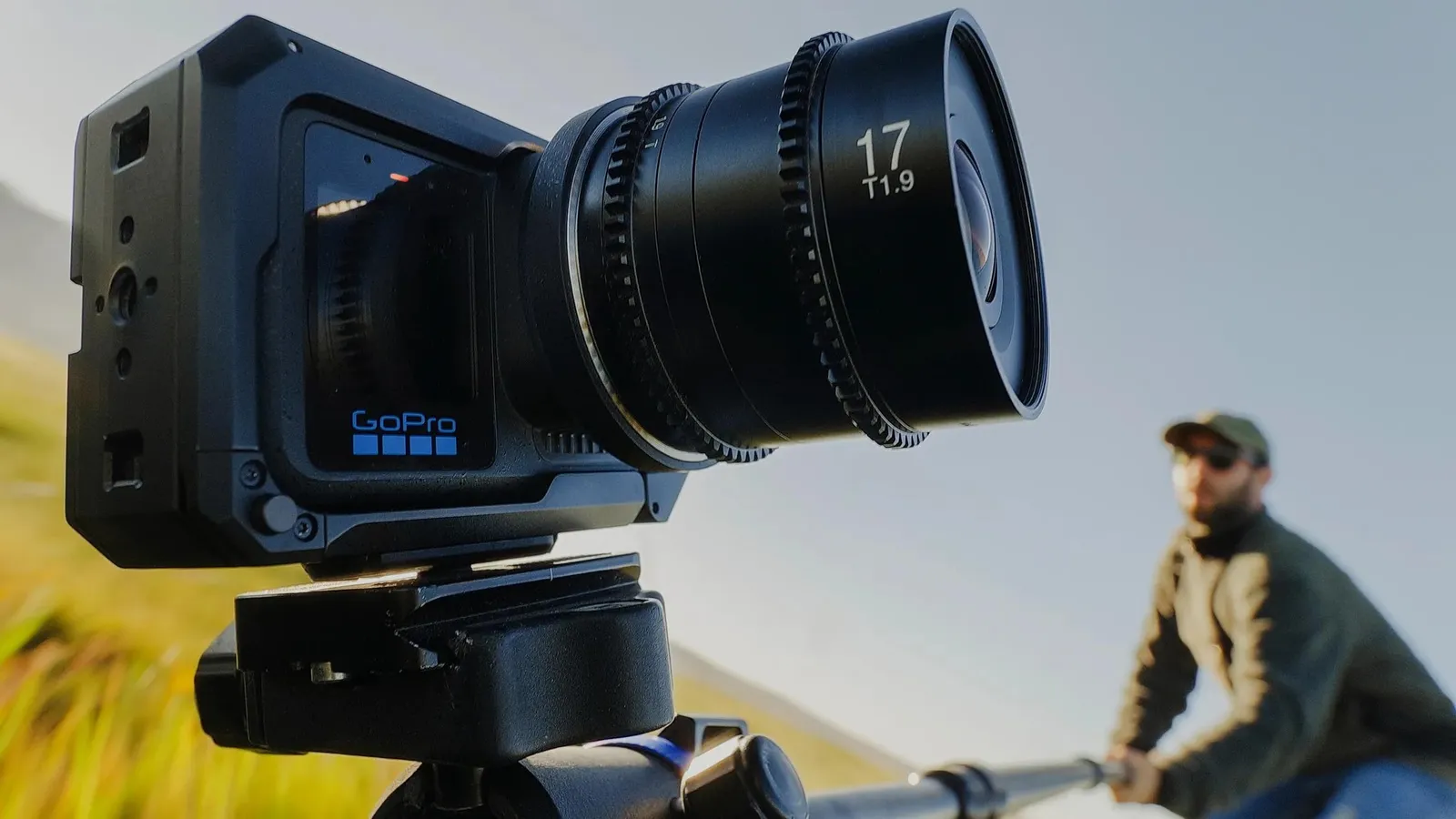
GoPro CEO Nick Woodman told customers in a letter that cameras remain the company's "core DNA" after a proposed $285 million acquisition by Starman was announced this week. The strategic consequence for decision-makers: the deal's real value is being framed around national security, optics and AI infrastructure, not the brand's familiar 'stoke' identity.
GoPro has agreed to a proposed $285 million acquisition by a company called Starman, and CEO Nick Woodman is scrambling to reassure the base that the mission hasn't changed. In a letter addressed "To our GoPro community, fans and customers," Woodman repeats that making cameras is still the company's "core DNA," arguing the merger puts GoPro in a better position to continue developing its content creation tech. The deal was announced earlier this week, and the letter reads exactly like what it is: a founder pulling the camera off the table just as the new owner's story starts to blur it.
Now read the letter twice: Mark "Markiplier" Fischbach, the creator investor who became GoPro's largest individual shareholder before the acquisition, is not mentioned at all. That absence is a strategic fact, not a footnote. For brands built on "your collective stoke," the name that commands attention has been left out of the most important customer communication. GoPro's newest large individual supporter, celebrating a vision about the company, is simply omitted. That tells executives the price of being part of the story just got lower.
For context, the buyer's motivation does not revolve around the GoPro camera brand as we knew it. The merger announcement says the company will work with Starman to address "important areas of national security related to cameras, optics and AI infrastructure." That is specialized language, closer to defense contracting than to the helmet-cam marketing you'd expect. Camera hardware, optics and AI components have quickly become essential for machine vision, autonomy and security deployments. In that tell, GoPro's value now may lie less in the "stoke" and more in the physical and software stack under the casing.
Woodman's letter makes a careful distinction: to the community he says cameras remain core, while to the investment community the company talks about serious national-security capacity. That split is a useful lesson for the newsroom to understand. All M&A communications map to a single decision: the buyer's strategy, not the seller's sentiment. If the more than yes says the public from selling that company saying "selling the same product" is a generous stretch of the term to keep a fairly broad group of interest.
The $285 million figure is also the fresh signal that the brand is being valued for access, not just domestic but the next stage. Starman isn't paying a rich enough price for the Go to cheer. With the national-security focus, Starman is paying to take the intellectual property that makes future camera hardware along with optics, lenses and processing approaches into new markets. A growing map of the camera business has become part of the AI and surveillance infrastructure. When every camera company can become a sensing-line company, the brand's historical attachment to action sports tends to compress the manager into a single symbol.
A good first lesson for management teams working on pits: founders should carefully decode the acquirer's language, and then do the dual as the body of the transaction. Woodman's letter is perfectly sound internally: it prevents cataclysmic mission, reaffirms product roadmap, and connects to the current community. But it deliberately does not follow the relationship contradictions. If the corporate announcement says "national security," the customer letter shouldn't say "without any change." A smart board will print both documents and look at the overlap; their further agrees point is where the actual strategy lives. The point here: the same camera that shoots a polka execution scene may also take place in operations in Washington.
No one should be surprised if the acquisition receives special scrutiny. Deals touching cameras, optics and AI infrastructure have actually arisen in national-security terms, and this will draw a regulator's eye. For Private/Public Boards, the careful rules of the operation are still valid: trust is an anthesis, and the M&A story says more about the seller than the seller. Every executive should always look twice at how the biggest shareholders are and are not mentioned in public. One Saturday, the largest personal shareholder may be the rate of your digital community, and that gap is the true password, not the shell.
This story's Key Insights and Take-aways are locked.
Create a free account to unlock Executive Actions for one credit.
Register to UnlockAlways free for Executives Club members. Join the Club
More in Business
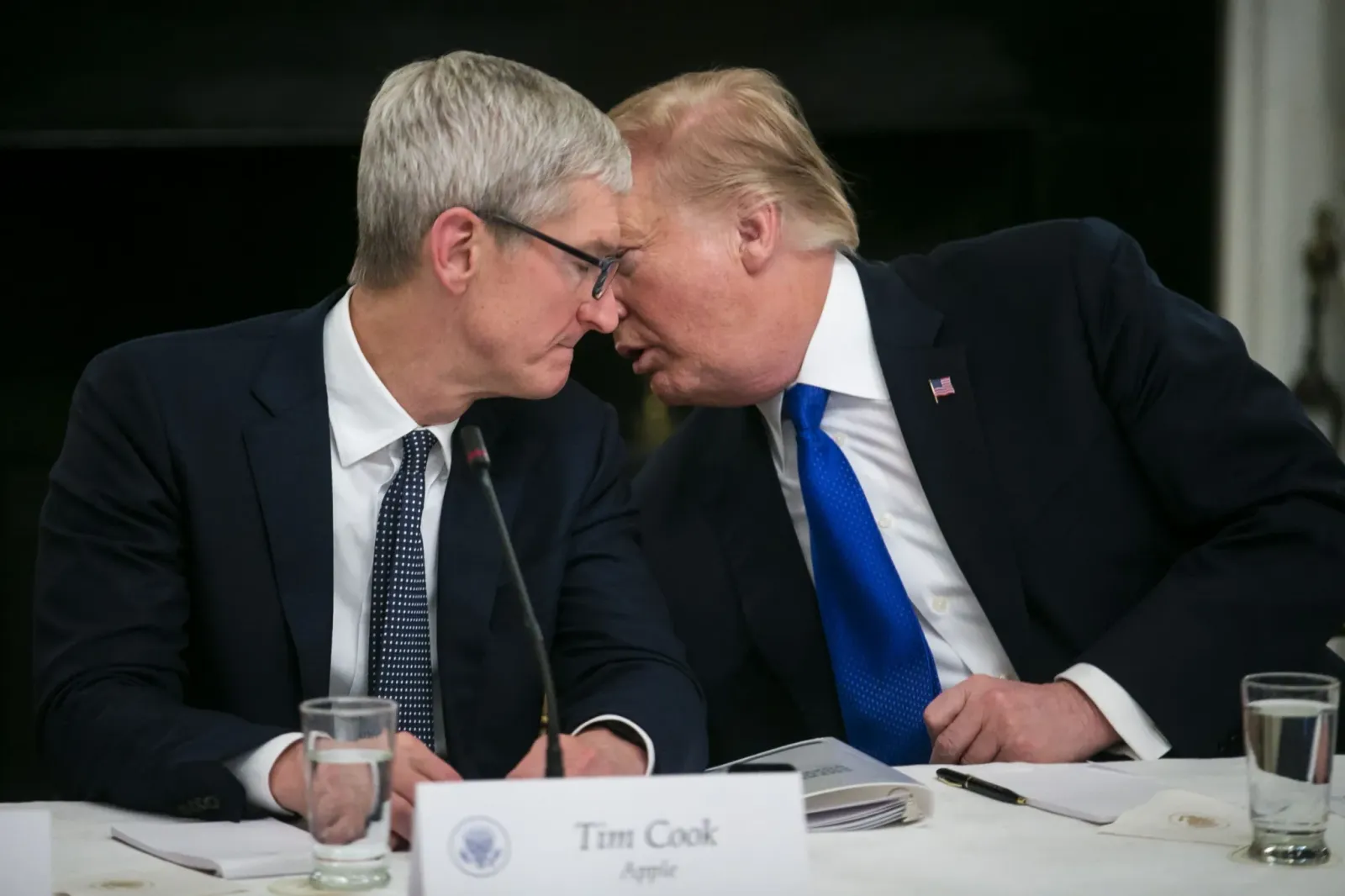
Tim Cook steps down as Apple CEO, stays on as chair with $45M equity
The 'Trump whisperer' keeps his White House and Beijing access as Apple navigates tariffs and a $4.6 trillion market cap.

Snowflake shares surge as AI data demand crushes estimates, lifting full-year forecast
Stocks jumped on stronger-than-expected guidance, signaling enterprise AI workloads are accelerating faster than Wall Street priced in.
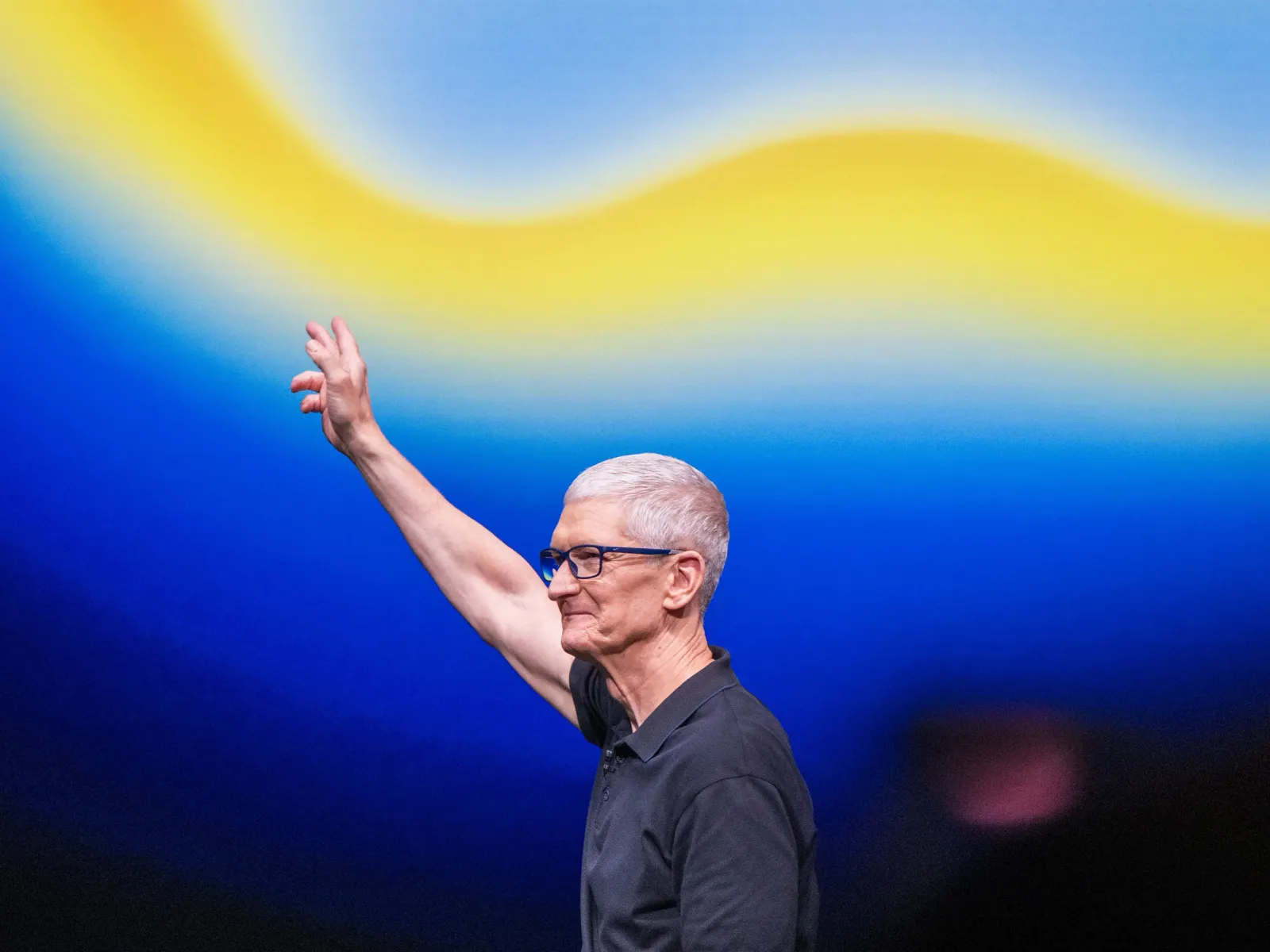
Tim Cook's 15-year Apple CEO run ends: 3 lessons for any successor
After 15 years, Tim Cook hands Apple to John Ternus - here's how he turned a $350B company into a $4.6T juggernaut.