
Gregg Araki says he is “not a big supporter” of AI, but used it anyway
In his erotic thriller I Want Your Sex, the director explains why AI helped him edit a scene he calls “literally insane.”
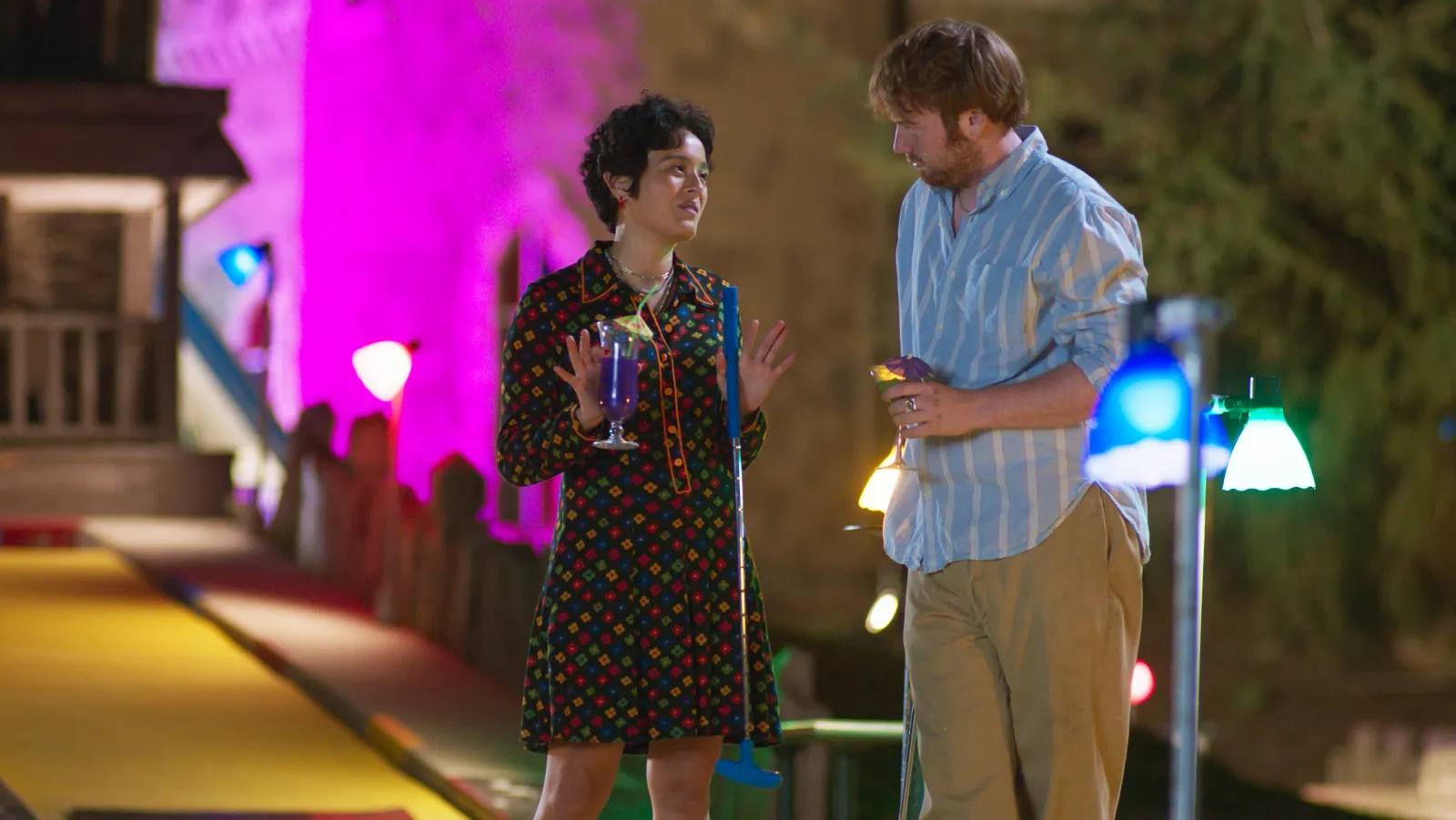
Gregg Araki, co-writer and director of the erotic comedy thriller I Want Your Sex now playing in theaters, told Deadline he is “not a big supporter” of AI but found it useful for editing an “I Want Your Sex” scene. For decision-makers, the takeaway is how quickly AI is becoming a behind-the-scenes production tool, even among creators skeptical of the tech’s broader agenda.
Gregg Araki is “not a big supporter” of AI. And still, he says he found it useful for editing a key scene in his new erotic comedy thriller I Want Your Sex, which is now playing in theaters. He even described the moment as “literally insane,” a line that does not exactly sound like a filmmaker trying to sell you on AI. Instead, it lands like a working director doing what directors do in a changed industry: using whatever helps get the scene across the finish line.
That matters because Araki is not talking in theory. He framed his return to feature filmmaking as something that came with “a whole new era of Hollywood,” and Deadline reports that AI tools were particularly useful in that workflow. In other words, the debate is not just whether AI is “good” or “bad.” It is whether it is already integrated into the everyday mechanics of creative production, and whether that integration changes timelines, budgets, and creative risk. If you lead a studio, a production company, a platform, or a content pipeline, you are no longer deciding whether AI will touch your work. You are deciding where it touches, how much control you keep, and who gets to veto edits downstream.
Araki’s attitude is also a useful stress test for the boardroom. A lot of internal conversations start with posture: executives and creators declare they are pro or anti AI, then try to turn that stance into policy. But the Deadline reporting suggests something messier, more realistic, and frankly more relevant. Even someone who is not a big supporter can still find AI useful for a specific editing task. That distinction creates a practical governance challenge for leadership teams: policies that treat AI as a single monolithic tool will break down fast, because usage will be granular. Editing support might be acceptable while other applications are not. Or the inverse could happen. The operational question becomes how you define scope.
There is also a second-order effect that creeps in quietly: editing is where creative intent gets translated into something shippable. When AI enters the editing layer, it can accelerate iteration. That can benefit creators who are trying to balance tone, pacing, and performance nuance. But it can also change negotiation dynamics. If post-production becomes faster, who owns the bottleneck? Does pre-production get asked to provide more concrete options because you can generate more edit paths later? Does marketing get pulled earlier into creative decisions because revised cuts can be produced on shorter cycles? These are not abstract questions. They affect staffing, vendor relationships, and the internal calendar that teams build around approvals.
Then there is the compliance and risk framing, which becomes unavoidable once AI moves from experimentation to workflow. Even without Araki’s specific details spelled out in the excerpt, the industry context is clear: AI tools raise questions around consent, dataset provenance, and disclosure. Regulators and lawmakers around the world have been moving toward rules that are at least beginning to differentiate between types of AI usage. For studios and production partners, that means leadership teams need to know not only whether AI was used, but in what part of the process, for what purpose, and under what controls. A director can call the resulting scene “literally insane,” while legal teams ask for a record that shows how and when AI was used.
Araki’s comment about being “not a big supporter” also highlights a cultural pressure point that boards should not ignore: AI can polarize creative talent. When a prominent creator says AI is useful but still not something they endorse enthusiastically, it signals a split between utility and ideology. That split can show up inside organizations as uneven adoption. Some departments will lean in because it speeds up work. Others will resist because they fear downstream backlash or mission drift. The leadership challenge is aligning incentives so teams can use tools responsibly without turning “support” into a personal identity test.
Finally, consider what this means for peers in the creator economy. Araki’s film is an erotic comedy thriller, a genre that relies on precise tonal control and careful editing to land the joke, the tension, and the character dynamics. When a director in a genre like this uses AI for editing and calls the process out publicly, it signals to the rest of the industry that skepticism is not a barrier to adoption. It is possible for filmmakers to be careful, selective, and still practical. If you are an executive overseeing content output, production efficiency, or platform governance, your competitive risk is not “Will AI be used?” It is “Will it be used in ways that create uneven quality, unmanaged legal exposure, or unpredictable approval bottlenecks?”
The most strategic stake here is simple: the production era is changing whether you agree with the tech or not. Araki’s return after more than a decade, his placement in theaters, and his candid stance to Deadline show AI as a working tool inside real creative constraints. The directors might argue about ideology, but the calendar will still run, and the scene still needs cutting. Leadership teams that treat AI as a controlled, scope-defined workflow input will be better positioned than teams that only debate it at the level of slogans.
This story's Key Insights and Take-aways are locked.
Create a free account to unlock Executive Actions for one credit.
Register to UnlockAlways free for Executives Club members. Join the Club
More in Entertainment

'It's a Magic Trick': Ballet Experts Say Rosalía's SNL Pose Is Impossible
Three ballet experts tell Rolling Stone Rosalía's gravity-defying SNL stillness shouldn't be possible - and why the debate is now part of the show.

Activision CMO: GTA 6 Will Boost Call of Duty, Not Bury It
Activision's top marketer says Rockstar's blockbuster will drive players back to consoles and into Modern Warfare 4, even as the company admits its recent strategy failed.

Justice to Score GTA 6, Share New Song with Tame Impala, SZA, King Gizzard
Rockstar taps the French duo for the GTA VI score, and the first taste is a genre-melting collab with Tame Impala, SZA, and King Gizzard & The Lizard Wizard.