
Guillermo del Toro says “no goddamn AI” as Pan’s Labyrinth 3D re-release debuts Oct. 9
He’s drawing a hard line on restoration tech at Comic-Con, and it signals where major creatives may land next.
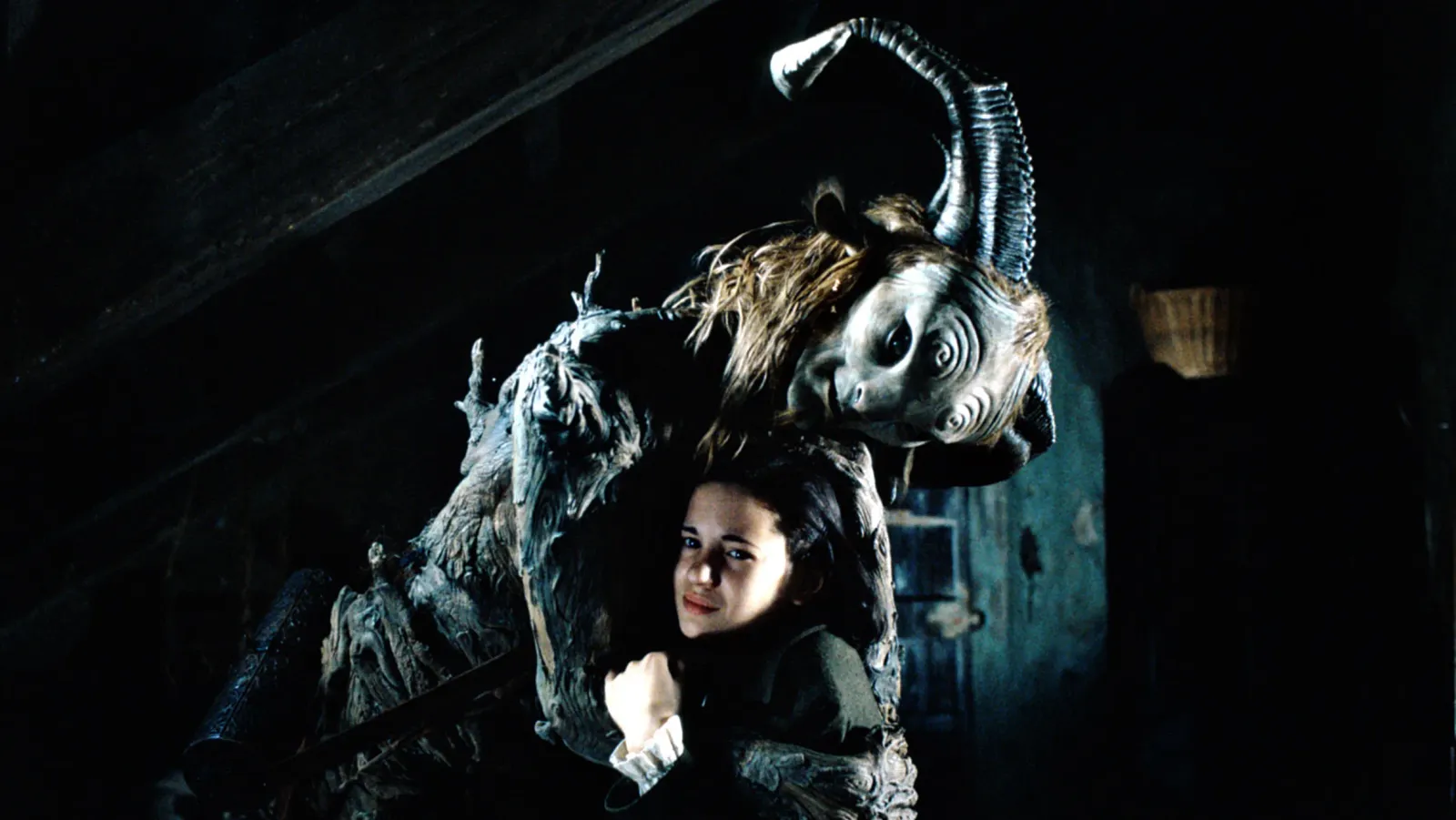
Guillermo del Toro, the 3x Oscar winner, reiterated at Comic-Con that the upcoming 3D re-release of Pan’s Labyrinth will use “absolutely no goddamn AI.” The film premieres Oct. 9, and his stance immediately turns a creative debate into an operational one for studios.
Guillermo del Toro, the 3x Oscar winner, used his Hall H Comic-Con moment to deliver a simple message with heavy implications: his Pan’s Labyrinth 3D re-release will use “absolutely no goddamn AI,” and it premieres Oct. 9. In other words, the director is not treating AI restoration like a neutral tool. He is treating it like a line he will not cross.
That matters because this is not a small, niche restoration project. Pan’s Labyrinth is a major cultural title, returning to theaters 20 years after its original release. And del Toro did not just say this once in some offhand interview. During Friday’s Hall H panel for the milestone anniversary at San Diego Comic-Con, he reinforced his stance publicly, in front of a room built for hype, scrutiny, and industry signal.
For decision-makers, the interesting part is what this reveals about incentives. When a studio or distributor brings a beloved film back in a new format, the technical goal is pretty consistent: keep the look faithful, correct damage, improve clarity, and modernize presentation without erasing what audiences already love. The strategic goal is also consistent: reduce perceived risk. A re-release lives or dies on trust. If viewers feel the magic was “edited” into something else, they revolt, even if the technical specs look good on paper.
So where does AI restoration fit? AI can be positioned as efficiency, restoration speed, and image enhancement at scale. But del Toro’s “no goddamn AI” framing makes it clear that at least one top-tier filmmaker sees a qualitative difference between traditional restoration workflows and AI-driven interventions. Even if the industry debates whether AI is making the image “better” or “different,” the market impact of his stance is already tangible: audiences, critics, and rights-holders can now treat AI as a reputational variable, not just a production variable.
This is the part executives should clock: public creative standards can become operational constraints. Once a director sets an explicit boundary, the restoration pipeline has to comply. That means vendor selection, tooling choices, and review processes are no longer just “best practice” decisions. They become compliance decisions with a named principle at the center. If a restoration team is using any AI-related tools in downstream steps, even tangential ones, it can create ambiguity that is poison for a high-profile re-release. Del Toro’s statement forces clarity.
There is also a board-level angle. When someone with del Toro’s stature draws a hard line on “absolutely no goddamn AI,” it raises the question of how much reputational downside executives are willing to absorb for the sake of schedule or cost. Even if regulators or industry bodies do not explicitly ban AI in restoration, reputational risk can work like regulation. Studios respond to what audiences perceive, what trade press repeats, and what awards ecosystems normalize.
And regulators, while not directly mentioned in the source, are part of the broader backdrop executives are navigating. Across entertainment and media, policymakers have been increasingly focused on transparency, authenticity, and the downstream impacts of synthetic media. While the source here is purely about del Toro’s assurance for Pan’s Labyrinth’s 3D re-release, the wider industry context is that AI is moving from “tool” to “governance topic.” Big-name creators publicly taking a “no AI” posture can become a reference point in those governance conversations, influencing internal policies even before any formal rules land.
Second-order, this kind of statement can also affect how studios structure partnerships. Vendors that market AI capabilities may need to offer AI-free workflows or at least document what is and is not used. Rights holders may demand restoration methodologies that align with creative preferences. Distribution teams may need to adjust marketing claims to avoid contradiction. And in a world where one panel at Comic-Con can echo across social and trade channels within hours, the risk is not just technical. The risk is mismatch between the restoration reality and the public promise.
Finally, think about timing. The re-release premieres Oct. 9. That date is now anchored to del Toro’s public assurance. For executives at studios and platforms planning future catalog projects, this sets a precedent: audience-facing commitments around restoration tech are increasingly likely to be made out loud by the creative leadership. Del Toro just made that commitment in Hall H. The strategic stakes for peers are simple. If you want the trust of filmmakers and fans for a legacy title, you may need to treat AI usage not only as a technical decision, but as a brand and governance decision you can defend in public.
This story's Key Insights and Take-aways are locked.
Create a free account to unlock Executive Actions for one credit.
Register to UnlockAlways free for Executives Club members. Join the Club
More in Entertainment

'It's a Magic Trick': Ballet Experts Say Rosalía's SNL Pose Is Impossible
Three ballet experts tell Rolling Stone Rosalía's gravity-defying SNL stillness shouldn't be possible - and why the debate is now part of the show.

Activision CMO: GTA 6 Will Boost Call of Duty, Not Bury It
Activision's top marketer says Rockstar's blockbuster will drive players back to consoles and into Modern Warfare 4, even as the company admits its recent strategy failed.

Justice to Score GTA 6, Share New Song with Tame Impala, SZA, King Gizzard
Rockstar taps the French duo for the GTA VI score, and the first taste is a genre-melting collab with Tame Impala, SZA, and King Gizzard & The Lizard Wizard.