

Hacker 'C Isn't Sharp' in Black Ops 2 ports bricks accounts on PS5 and PS4
Activision's PS4/PS5 Black Ops ports inherit old vulnerabilities, letting one hacker wreck stats and online access.
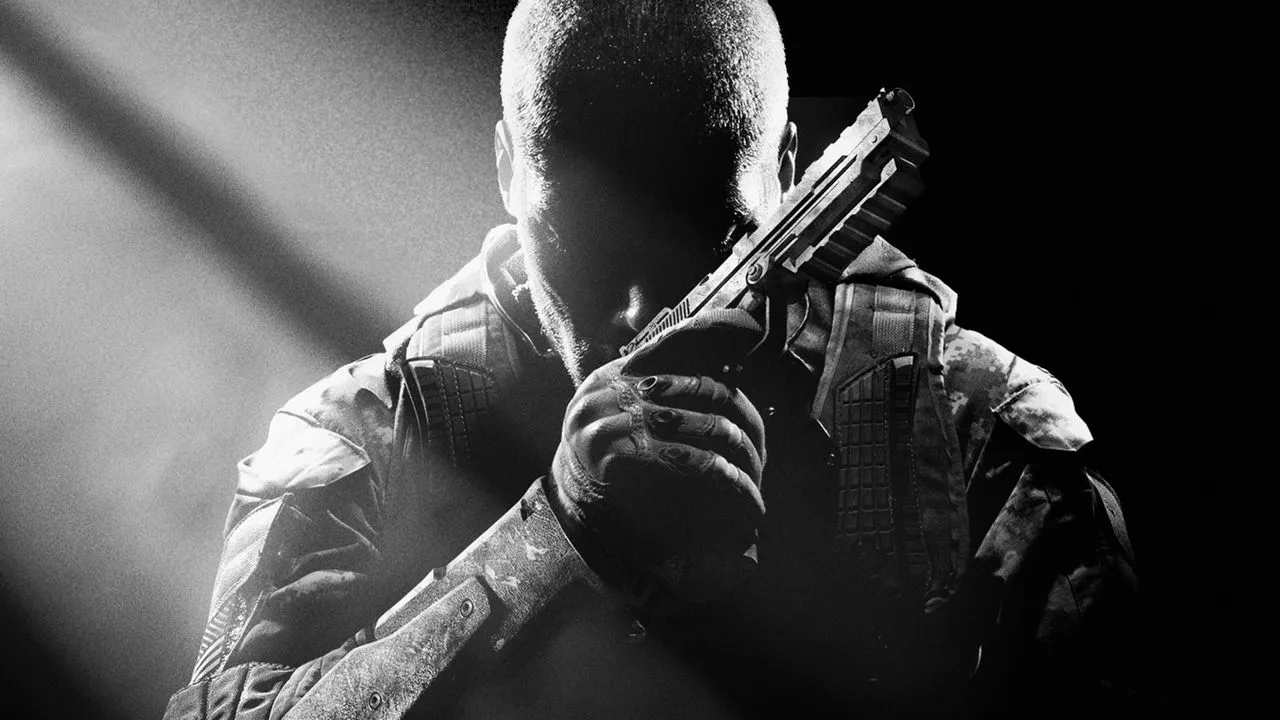
A hacker known as 'C Isn't Sharp?' is reportedly compromising accounts in the PlayStation ports of Call of Duty: Black Ops 2. The incidents follow Activision porting the first two Black Ops games to PS4 and PS5, where the underlying infrastructure appears to keep older exploits alive.
A hacker going by 'C Isn't Sharp?' is reportedly ruining players' accounts in Call of Duty: Black Ops 2's multiplayer on PlayStation, including PS4 and PS5. Players claim the account damage is not just cosmetic, with reports that the game can crash after being hacked and even blocks access to online matches.
The clearest symptom comes from streamer TimTheTatMan, whose account was reportedly pushed to Level 55 and Prestige 16, a Prestige level that does not even exist in the game proper. That kind of mismatch between what the game should allow and what the hacker can force is exactly why this story matters beyond drama: it suggests the ports did not fully unwind the kinds of legacy weaknesses that enable exploits.
Here is the chain reaction: Activision recently ported the first two Call of Duty: Black Ops games to PS4 and PS5 consoles. According to the report, the “vulnerable infrastructure seems to have been unchanged,” which is the quiet but explosive part. When you keep the same foundations, old exploits can remain intact even after years. That is a classic risk in live-service and online gaming ecosystems, where “it works” can mask “it still has the same cracks.” In this case, the crack is showing up in Black Ops 2 multiplayer.
What makes the situation feel like more than a one-off is the reported range of impact. Some players say being hacked has left them unable to play online matches at all because the game appears to crash thereafter. Others claim progress in other areas of the game has been reset after encountering the hacker. And while the report says the only apparent fix is to watch for the hacker’s bright green name in lobbies and close the game immediately to stop account alteration, it also notes that hopping out of the lobby does not stop stats from getting messed up, even if players exit fast.
That last detail is what turns “avoid the griefer” into “you might still lose after you react.” It implies the damage can occur on the server side or through synchronization that continues after a client leaves the lobby. For executives and technical leaders, this is where operational controls and incident response collide. You can have good player education, but if the telemetry and enforcement mechanisms allow corrupted state to propagate, the user experience becomes a casualty of the system design.
The hacker’s name even sticks out as a signal. 'C Isn't Sharp?' is reported as showing up in lobbies, and the recommendation is to identify that name and close the game. But relying on players to visually spot a gamertag as a primary defense is not a sustainable security posture. It also raises another second-order question for boards and risk committees: if the defense is “client exit,” what guardrails exist to prevent account alteration in the first place, and what changes are needed for the next port, the next update, or the next title?
The broader market backdrop makes this more sensitive. New ports of older Call of Duty titles already come with premium pricing scrutiny. The report notes side-eye over the $40 price tag for these releases, and also the $30 extra cost for map packs. So while the core issue here is account compromise, the reputational and commercial stakes are bigger. When players feel they are paying full price for a product that inherits old vulnerabilities, trust gets harder to rebuild, and churn can accelerate. In online games, once confidence takes a hit, even a few high-profile incidents can change how communities interpret everything from patch notes to matchmaking updates.
And even with all the commotion, the report points out that Call of Duty continues to sell. It says that last month, both Black Ops games landed within the best-selling PlayStation games chart in the US. That is the uneasy reality for decision-makers: revenue can keep flowing while players’ perception of quality and security erodes. Meanwhile, Activision has acknowledged that Call of Duty matchmaking used to be better, and it is updating Black Ops 7 with a new system inspired by “classic games” like Black Ops 1 and 2.
The lesson for anyone running a platform, studio, or portfolio of online titles is blunt. If ports reuse vulnerable infrastructure, security debt carries forward like unpaid interest. And if account state can be corrupted to impossible values, it is not just a gameplay problem. It is a governance problem, a customer trust problem, and potentially a compliance problem depending on how jurisdictions interpret consumer harm from digital service failures and the handling of user data and access. The strategic stakes are clear: protect the player base, or the next “best-selling chart” headline could come with a growing pile of tickets, churn, and scrutiny after the fact.
This story's Key Insights and Take-aways are locked.
Create a free account to unlock Executive Actions for one credit.
Register to UnlockAlways free for Executives Club members. Join the Club
More in Entertainment

'It's a Magic Trick': Ballet Experts Say Rosalía's SNL Pose Is Impossible
Three ballet experts tell Rolling Stone Rosalía's gravity-defying SNL stillness shouldn't be possible - and why the debate is now part of the show.

Activision CMO: GTA 6 Will Boost Call of Duty, Not Bury It
Activision's top marketer says Rockstar's blockbuster will drive players back to consoles and into Modern Warfare 4, even as the company admits its recent strategy failed.

Justice to Score GTA 6, Share New Song with Tame Impala, SZA, King Gizzard
Rockstar taps the French duo for the GTA VI score, and the first taste is a genre-melting collab with Tame Impala, SZA, and King Gizzard & The Lizard Wizard.