

Halle Berry turns 60 and rejects the “retire now” script, says “give that all away?”
In her Making Space with Hoda Kotb remarks, Berry pushes back on aging as a deadline, not a chapter.
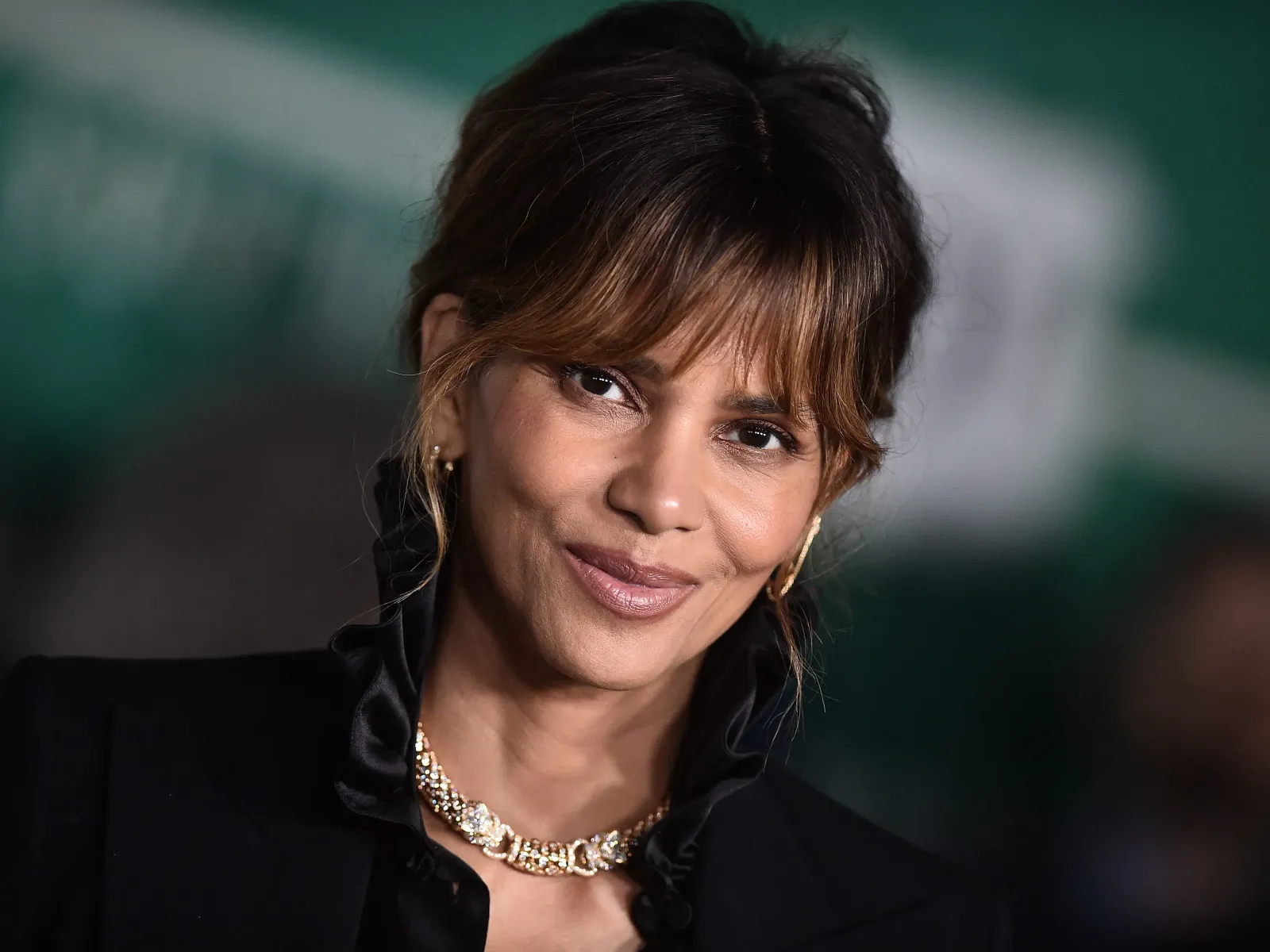
Halle Berry, who turns 60 on August 14, says she has no plans to retire yet and told Hoda Kotb on the Making Space with Hoda Kotb podcast that she sees no reason to stop making movies. Her comments frame retirement expectations as a source of “invisible” treatment and argue older adults have continued value.
Halle Berry turns 60 on August 14, and she is not buying the idea that 60 is the moment to stop. On Wednesday’s episode of the “Making Space with Hoda Kotb” podcast, the Oscar-winning actor said people often ask whether she will keep making movies, and she sees “no reason to stop.” Her blunt reasoning is the whole point: “Why should I now sit down and give that all away - and then what?”
Berry’s frustration is not just personal. It is an expectation, she says, that hard work naturally ends in retirement, and that once you reach a certain age, you should become less visible, less valuable, and less significant. She described how people frame life after 60 as if it is a “permanent vacation,” and she pushed back directly on the assumption that older adults have less to offer. “We're expected to find something else to do,” Berry said, adding that the “invisible” feeling comes when society acts like older people no longer have value or the right things to say.
That “retire now” script matters beyond celebrity culture because it echoes how workforces are often managed, especially when companies and boards treat age like a decline curve instead of a lifetime of capability. Berry is explicit that purpose is part of what work gives her. She said she believes people equate retirement with a kind of earned shutdown, but she is not convinced that is the only path: “Why do I want to, after I've worked my whole life so hard and it's made me feel all of myself, it's validated who I was, it's given me a sense of purpose,” Berry said. The question “and then what?” reads like a challenge to a common cultural default, not a plea for praise.
In practical terms, Berry is describing a social incentive mismatch: people expect older workers to exit, and companies may accidentally reinforce that expectation through informal norms, project handoffs, or roles that shrink over time. Berry ties this to the feeling of marginalization. She said she has to “quiet them on that issue,” emphasizing that the hardest part is combating the belief that older adults offer less. That is the second-order risk for employers: when stereotypes govern assumptions, talent pipelines get thinner, institutional knowledge walks out the door, and organizations unintentionally signal that experience is a temporary credential.
This is not the first time Berry has spoken about aging stereotypes. In a February interview with “The Cut,” she said she resonated with her role as a middle-aged insurance broker in her latest film, “Crime 101.” There, she explained how people can feel “marginalized” and “devalued” with age, including at work and from society, and she said she made a decision not to allow herself to be “erased.” In other words, Berry is not merely talking about her own calendar. She is talking about how identity and worth get negotiated as the body and the calendar change.
And Berry is not alone, which matters because it shifts her comments from individual attitude to a broader cultural pattern. The source notes that Morgan Freeman has said he has no plans to retire, even as he approaches 90. In a November interview with AARP, Freeman pointed to a saying about old age, “keep moving,” and referenced Clint Eastwood’s advice: “Don't let the old man in.” Patti Smith, 79, has also described aging as strengthening her desire to keep working, saying during a podcast appearance in January, “And I have so much to do and so many things I want to do, so many things I want to write.” When multiple public figures frame work as continuing purpose rather than a countdown, it pressures the default assumption that retirement is the single logical next step.
For executives, founders, and board members, this is a reminder that “retirement at 60” is cultural shorthand, not an inevitability. The strategic stake is workforce design. If organizations treat older workers as a problem to be managed, they may face higher turnover, weaker knowledge retention, and less diverse experience in decision-making. If they treat it as a capability to be leveraged, they can build teams that benefit from long-run judgment, mentorship, and institutional context. Berry’s comments land on the emotional layer, but the business implication is straightforward: when people feel “invisible,” they disengage, and when they see no reason to keep going, they leave or stop aiming for bigger work.
The headline question Berry poses, “Why should I now…give that all away - and then what?” is a challenge organizations could ask themselves too. Because for many roles, the “then what” is not obvious: new responsibilities, new ways to contribute, and new incentives to keep value visible. Berry’s answer is that purpose does not expire on schedule. And if your company wants to avoid the quiet loss of experienced talent, you have to make sure the workplace tells the opposite story: that work is not a deadline, it is a continuum.
This story's Key Insights and Take-aways are locked.
Create a free account to unlock Executive Actions for one credit.
Register to UnlockAlways free for Executives Club members. Join the Club
More in Entertainment

12TB Steam 'teraleak' goes beyond Valve: GTA 3, Mafia 2 prototypes exposed
A 12-terabyte dump of Steam data reveals prototypes and builds of third-party classics like GTA 3 and Mafia 2, plus unreleased Valve content, rewriting game history.

LinkedIn's romance problem: 1 in 4 workers say dating on it is fair game
A new survey shows a quarter of U.S. employees treat the professional network as fair game for romance, even as LinkedIn bans it and removes hundreds of thousands of offending posts.

Enhypen's first No. 1 album breaks K-pop's Billboard 200 streak
The K-pop group's 98,000-unit debut tops the chart while Dolly Parton's catalog reentry shows how death reshapes streaming.