

Harry and Meghan's UK comeback: charity, acting, or Cotswolds?
The Sussexes are heading back to Britain, and their post-royal priorities are finally coming into focus - here's what's at stake for brands, charities, and media.
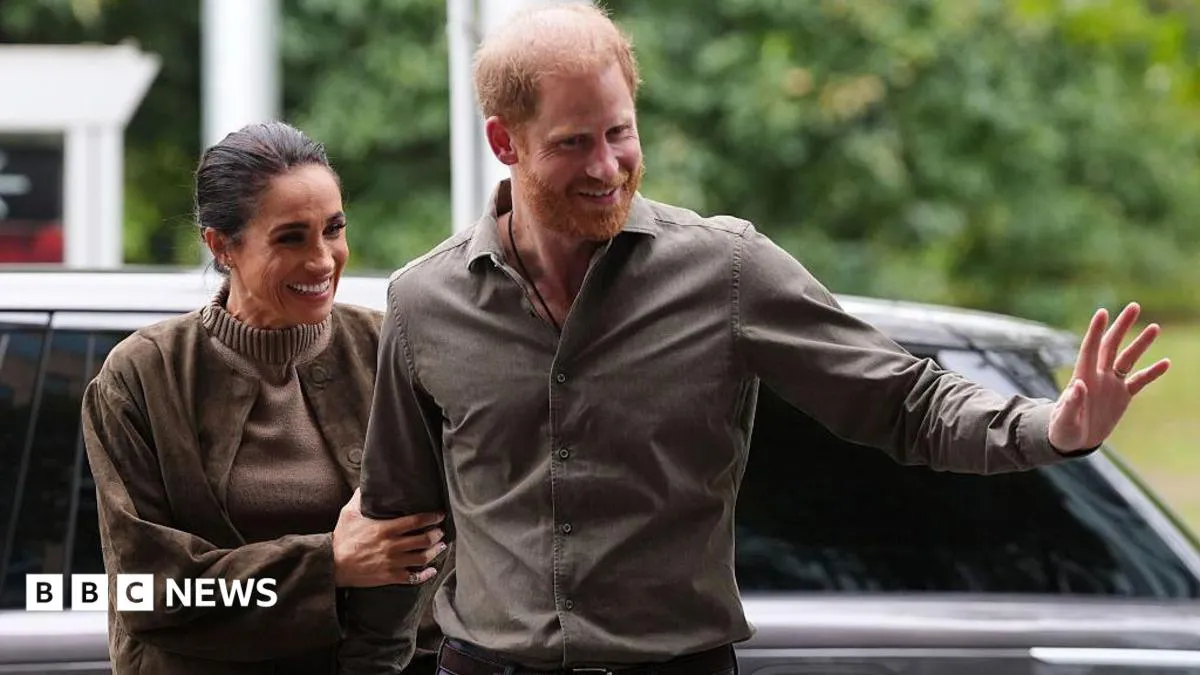
Prince Harry and Meghan Markle are preparing to return to the UK, with their focus gradually becoming clearer across charity, acting, and a possible Cotswolds base. For executives and brand strategists, the couple's re-entry signals a new phase of influence and commercial activity in Britain.
The question hanging over Prince Harry and Meghan Markle's imminent return to the UK is no longer whether they will come back, but what they will do when they land. According to a BBC report, the couple's focus is "gradually becoming clearer," with three possibilities emerging: charity, acting, and a life in the Cotswolds. For a duo whose every move is parsed by media and markets alike, the answer will shape their next chapter and reset their relationship with British audiences.
The stakes are real. Since stepping back from senior royal duties in 2020, the Sussexes have built a transatlantic empire of media deals, philanthropic ventures, and public appearances. A return to British soil - even part-time - would mark a strategic pivot, one that brands, charities, and entertainment executives will be watching closely. The BBC's report offers no specifics, but the direction of travel is enough to start planning. The couple's two children, Archie and Lilibet, add a family dimension that could influence where they settle and how they structure their time between the US and the UK.
For context, the couple's post-royal portfolio has been anchored by Archewell, their nonprofit foundation, and production partnerships with major streaming platforms. Their UK return could see those efforts gain a British foothold, particularly if charity becomes the primary focus. The BBC notes that their UK life is "gradually becoming clearer," suggesting that announcements may be imminent, but it does not confirm any particular initiative. Charities in Britain have long courted royal patronage, and a Sussex-led foundation could shift the competitive landscape for philanthropic funding and corporate social responsibility partnerships.
The acting track is equally plausible. Meghan Markle was an actress before her royal marriage, and the couple's production company has been developing content for global audiences. A return to the UK could open doors to British film and television circles, though the BBC report does not mention any specific projects or deals. For media executives, the possibility of a Sussex-backed production based in Britain is a tantalizing - if unconfirmed - prospect. The UK's production sector has been booming, with global streaming giants investing heavily in British content, and a Sussex-branded project could attract significant attention and talent.
Then there is the Cotswolds option. The rural region west of London has long been a haven for celebrities and wealthy Londoners seeking privacy and space. A home there would signal a quieter, more family-oriented existence, a stark contrast to their current life in California. The BBC's mention of the Cotswolds is framed as a question, not a plan, but it underscores the range of possibilities. For local businesses and luxury brands, a Sussex presence in the Cotswolds could bring a tourism and spending boost, while also raising questions about security and media intrusion in a traditionally low-key area.
For executives and boards, the Sussexes' return is a case study in how high-profile figures manage geographic and reputational transitions. Their ability to toggle between American and British markets - each with distinct media dynamics and cultural expectations - will test their strategic discipline. Charities may see an opportunity to partner with Archewell on UK-focused initiatives, while brands could leverage the couple's renewed British presence for local campaigns. The couple's commercial ventures, including their Netflix and Spotify deals, have already demonstrated their global reach, but a UK base could allow them to tap into British cultural institutions and corporate sponsors in ways that were previously difficult.
The broader context is the royal family's own evolution. The Sussexes' departure was a defining moment for the monarchy, and their return - however partial - will inevitably reignite questions about their role and relationships. The BBC report does not address these dynamics directly, but they form the backdrop against which any UK activity will be judged. For royal watchers and institutional investors alike, the couple's re-entry could signal a thaw in relations or, conversely, a new chapter of tension. Either way, the media cycle will be intense, and any organization associated with the Sussexes should prepare for heightened scrutiny.
For now, the only certainty is that the couple's UK life is taking shape. Whether it is charity, acting, the Cotswolds, or some combination, the next few months will reveal the answer. The smartest move for observers is to watch the signals - from property purchases to charity registrations to production announcements - and be ready to move when the picture clears. The BBC's report is a reminder that even the most scrutinized public figures can keep their plans close, but the gradual clarity it describes suggests that a formal announcement may not be far off.
This story's Key Insights and Take-aways are locked.
Create a free account to unlock Executive Actions for one credit.
Register to UnlockAlways free for Executives Club members. Join the Club
More in Entertainment

'It's a Magic Trick': Ballet Experts Say Rosalía's SNL Pose Is Impossible
Three ballet experts tell Rolling Stone Rosalía's gravity-defying SNL stillness shouldn't be possible - and why the debate is now part of the show.

Activision CMO: GTA 6 Will Boost Call of Duty, Not Bury It
Activision's top marketer says Rockstar's blockbuster will drive players back to consoles and into Modern Warfare 4, even as the company admits its recent strategy failed.

Justice to Score GTA 6, Share New Song with Tame Impala, SZA, King Gizzard
Rockstar taps the French duo for the GTA VI score, and the first taste is a genre-melting collab with Tame Impala, SZA, and King Gizzard & The Lizard Wizard.