

Hasbro re-releases Spider-Man board games, turning a movie surge into retail wins
As “Spider-Man: Brand New Day” eyes a record North American opening, Hasbro pairs Spider-Man graphics with classic gameplay.
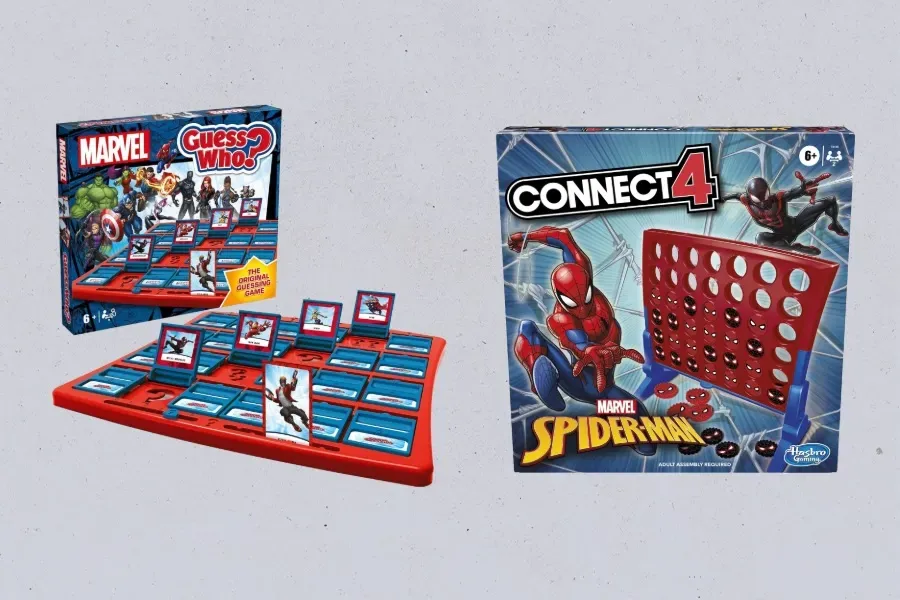
Toymaker Hasbro is re-releasing several of its most popular board games with Spider-Man-themed graphics and gameplay. The move ties into “Spider-Man: Brand New Day” positioning for the biggest North American movie opening of all time, putting new pressure on partners across retail and licensing.
“Spider-Man: Brand New Day” is shaping up to be a box office event that could challenge 2019's “Avengers: Endgame” for the biggest North American movie opening of all time. That kind of opening does not just light up theaters. It rewires attention, and attention is the inventory retailers and license partners fight over.
While movie data rolls in, Hasbro is hedging its own bets in the consumer sandbox. Variety reports that the toymaker is re-releasing a number of its most popular board games with Spider-Man-themed graphics and gameplay. In plain English, this is Hasbro taking the Spider-Man moment and translating it into something people can play at home the same week they buy tickets. The stakes are simple: when a franchise is trending at movie scale, the question becomes who can convert that trend into shelf activity, engagement, and repeat purchases.
For decision-makers, this is worth watching because it is not a one-off marketing stunt. Board games are a category that thrives on familiarity. If you already know the rules, you lower the friction for a purchase. By swapping in Spider-Man-themed visuals and gameplay elements, Hasbro can make “classic” feel current without asking customers to relearn the experience. That matters in a world where consumer entertainment is crowded. People have streaming, gaming, and social content competing for the same minutes. A board game gives them a structured offline activity that can happen with friends and family, not just on a personal device.
There is also a licensing dynamic hiding in the headline. Movie franchises are built on scale, but they monetize beyond the box office through partners who can move products in mass channels. When a film is positioned for a historic opening, licensing windows tighten because demand forecasts get aggressive fast. Hasbro's move signals that it wants to align product timing with that demand spike. Even if the film ultimately lands below the absolute top of the chart, the intent is clear: ride the wave while consumer awareness is at peak volume.
Second-order effects matter here, especially for boards and senior operators. Spider-Man-themed board game releases can reinforce brand equity in two directions at once. First, they can pull lapsed board game shoppers back in by offering a recognizable IP. Second, they can create a halo for other Hasbro properties because successful IP integration tells the company, and the market, that it can translate pop culture into repeatable product formats.
This also ties into how entertainment economics tend to work. Film openings generate a burst of media coverage, social sharing, and merchandising activity. That coverage is not evenly distributed across categories. Toys and games tend to benefit when the moment is culturally “loud,” meaning families, casual fans, and younger audiences are all paying attention simultaneously. If “Spider-Man: Brand New Day” is truly on track to compete with 2019's “Avengers: Endgame” for the biggest North American movie opening of all time, that is the exact condition merchandising partners hope for: awareness that is broad enough to justify impulse purchases.
From a risk management standpoint, the execution details matter. A board game is not a consumable where demand can be replenished instantly. Production lead times and inventory planning can lock in outcomes. If the film underperforms, IP-driven product velocity can slow. If the film overperforms, partners who aligned early can see outsized pull-through. Hasbro's re-releases suggest it is trying to be early enough to capture demand but conservative enough to start from proven board game formats. That hybrid approach is often the difference between “cool tie-in” and “real category lift.”
For executives at other consumer brands, the takeaway is not “do more Spider-Man.” It is a process question. When a franchise is signaling mass-market momentum, how quickly can you translate cultural demand into product? How tightly can you align timing between film publicity cycles and retail purchasing windows? And how do you design IP integration so it adds excitement without breaking the core product customers already understand? Hasbro's current play is basically an answer to those questions, built around one clear bet: that the Spider-Man wave will spill over from theaters into living rooms.
This story's Key Insights and Take-aways are locked.
Create a free account to unlock Executive Actions for one credit.
Register to UnlockAlways free for Executives Club members. Join the Club
More in Entertainment

'It's a Magic Trick': Ballet Experts Say Rosalía's SNL Pose Is Impossible
Three ballet experts tell Rolling Stone Rosalía's gravity-defying SNL stillness shouldn't be possible - and why the debate is now part of the show.

Activision CMO: GTA 6 Will Boost Call of Duty, Not Bury It
Activision's top marketer says Rockstar's blockbuster will drive players back to consoles and into Modern Warfare 4, even as the company admits its recent strategy failed.
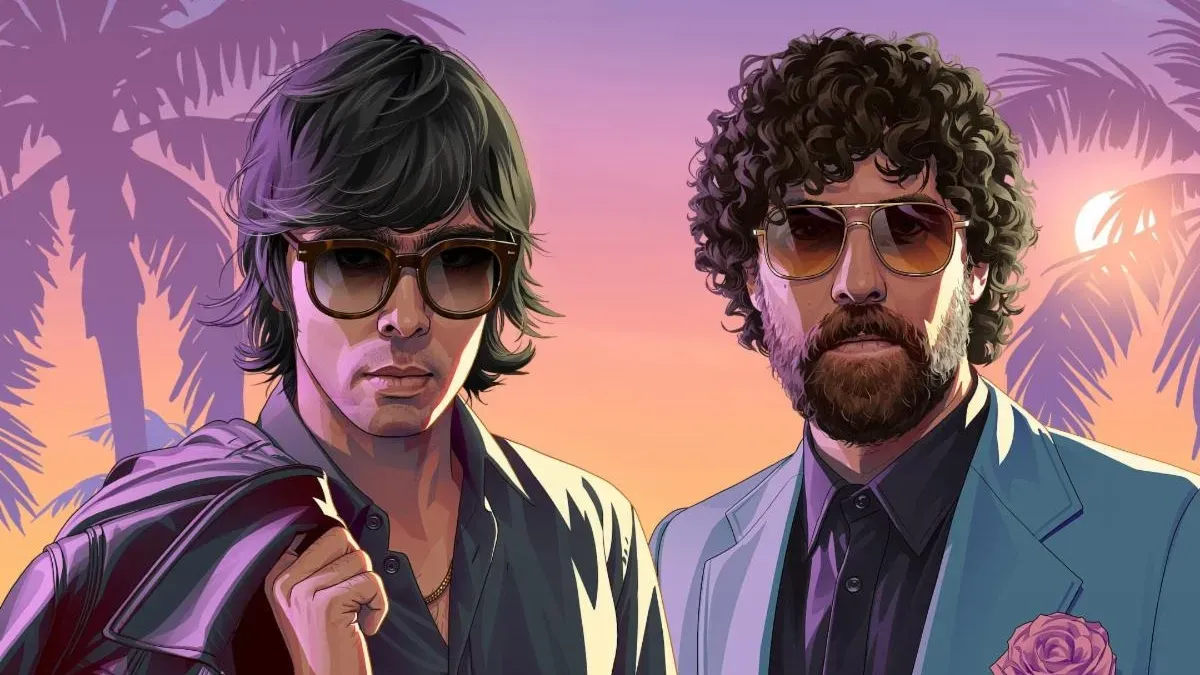
Justice to Score GTA 6, Share New Song with Tame Impala, SZA, King Gizzard
Rockstar taps the French duo for the GTA VI score, and the first taste is a genre-melting collab with Tame Impala, SZA, and King Gizzard & The Lizard Wizard.