

Hasbro’s Chris Cocks bets on “kidults” as revenue jumps 16% to $1.14B
Magic: The Gathering, nostalgia toys, and a new playbook are driving Wall Street’s thumbs-up for Hasbro.
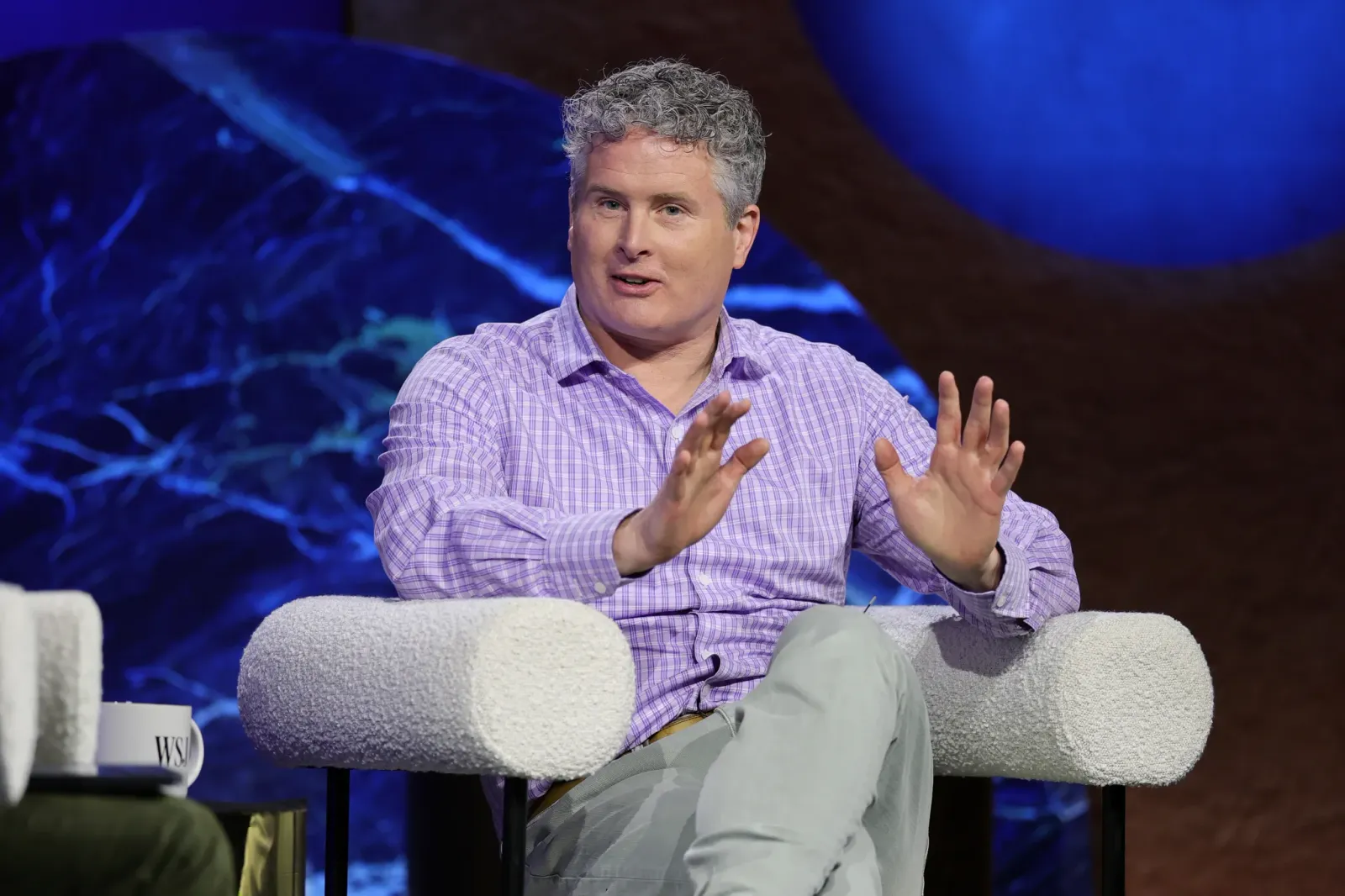
Hasbro CEO Chris Cocks, appointed in 2022, is shifting the toy giant toward grown-up collectors and card games, with results showing up fast. On Tuesday, Hasbro reported a 16% revenue increase to $1.14 billion, beating analysts’ $1.07 billion expectations and sending shares up sharply.
Hasbro is doing the thing traditional toy companies used to treat as heresy: it is betting that grown-ups, not kids, are the growth engine. CEO Chris Cocks, in office since 2022, has refashioned Hasbro so that a meaningful share of sales comes from card games and “kidults,” the term Cocks uses for adults who buy branded play. The proof landed in public on Tuesday, when Hasbro reported a 16% increase in revenue to $1.14 billion, topping analysts’ expectations of $1.07 billion. Shares jumped on the news and are up 9% for the year.
The catalyst was not a new plush or a nostalgic repackage alone. A major contributor was the runaway success of the 33-year-old “Magic: The Gathering” card game business. Hasbro said Magic got a boost from its collaboration with Marvel Super Hero collectibles, and it also highlighted how it has reinvigorated the franchise in recent years through aggressive digital integration and by making it easier for large groups to play together. That Magic business grew 32% year-over-year to pass the quarterly $500 million mark for the first time. In other words: Hasbro is building a toy-like habit, but in a format that scales like a modern media and games platform.
If you zoom out, this strategy matters because Hasbro is coming out of a rough patch. The company’s sales declines coincided with an industry-wide slump and a product pipeline that had grown stale. That is a familiar pattern across consumer categories: when the “next big hit” misses, investors look at distribution, innovation cadence, and whether management actually understands its customer. Cocks’ play is essentially a rewrite of the customer profile and the product mix at the same time. In his view, Magic is not some niche corner of fandom. “Magic is not a niche hobby business,” Cocks told Wall Street analysts on Tuesday morning. “It is a mega franchise. ‘Magic: The Gathering’ belongs in the same company as Pokémon, EA Sports, World of Warcraft, and Minecraft.”
And the market is acting like he might be right. Magic is benefiting from its collaboration with Marvel Super Hero collectibles, but it is also benefiting from the way Hasbro has engineered accessibility. Digital integration makes the game easier to discover, easier to keep up with, and easier to return to after a busy week. Group play features make it social, which matters because card games are entertainment with a built-in reason to gather. Those two forces are how you turn “a hobby” into something that resembles a repeatable content loop.
Meanwhile, the toy side is finally waking up too, giving Cocks’ “kidult” thesis real-world tailwinds. Research firm Circana found toy sales rising by double-digit percentage this spring, including 13% in April, the most recent month for which it published data. Toys had been slumping for several years after a pandemic-era boom. Adults are part of the resurgence, and Circana points to women as the demographic fueling a comeback. According to Circana, more than 50% of overall industry growth is coming from women as toymakers capitalize on nostalgia for longtime brands and demand for updated versions of classics.
Hasbro’s latest launch leans directly into that. Last week, it introduced Blooms by Play-Doh, which allows consumers to craft realistic-looking floral arrangements that can be preserved and displayed. It is the first time in the brand’s 70-year history that Play-Doh has designed a product specifically for grown-ups. Cocks also tied the product direction to what he sees in retail. “Where they are leaning in and are pretty eager for more product is in the gamified, entertainment-driven, multi-purchase, multi-generational products, basically stuff for kidults,” he said, describing the toy stores that sell Hasbro products. The subtext for decision-makers is simple: Hasbro is trying to win where consumers are already willing to spend more than once.
Cocks’ background helps explain why he is taking this approach. He became CEO in 2022 after a stint at Microsoft’s Xbox division, where he managed game portfolios and marketing strategies for key Xbox launches. Under his leadership, Hasbro prioritized core businesses, but also modernized them. Early on, he radically shrank Hasbro by selling its eOne television and movie business to Lionsgate for a fraction of the $4 billion it had paid for it in 2018. The company had aspired to become a major media contender, but the high cost of film and TV production caused it to burn through a ton of cash, and Cocks decided the strategy needed a reset. This matters because it shows the direction of travel: less expensive, less uncertain entertainment bets, more leverage from existing franchises.
That philosophy is now spilling into Hasbro’s video game strategy. On Tuesday, Cocks announced Hasbro would lower spending on the video game business by at least 25% every year. Hasbro will still create new titles, but it will do so with a co-publisher and tie them to trading card and role-playing games, as it is doing with upcoming releases Exodus and Warlock scheduled for next year. For peers running consumer and entertainment portfolios, that is the second-order implication: instead of building standalone hits from scratch, Hasbro is trying to reduce risk by bundling new revenue opportunities into brands it already owns and already understands.
Taken together, the numbers and the moves paint a consistent picture. Hasbro is using Magic to prove the franchise engine still works, using kidults to expand the addressable customer beyond childhood, and using cost discipline to prevent media-style burn from repeating. If the “industry of play” framing Cocks has promoted is translating into results, Wall Street will keep rewarding it. And for anyone on a board, in a finance team, or leading a legacy consumer brand, the lesson is not “copy the toys.” It is that revenue growth can come from redesigning the customer, then engineering the product pipeline to match.
This story's Key Insights and Take-aways are locked.
Create a free account to unlock Executive Actions for one credit.
Register to UnlockAlways free for Executives Club members. Join the Club
More in Business

Anthropic’s Levant Alpöge cracks the Jacobian conjecture after 87 years
A Harvard valedictorian used Claude to hit a 1939 breakthrough, but the missing “why” is the real problem.

Uber buys Delivery Hero for nearly $15B, vaulting to top food delivery outside China
The deal doubles Uber's dual-services footprint and pushes a ride-and-eats bundling play into 50 more markets.

Epic and Google drop settlement bid, forcing rival Android app stores by July 22
Google told the court it is ready to carry third-party app stores starting Wednesday, July 22.