

Hasbro’s Peppa Pig letter alleges AI voice clause children cannot legally consent to
Agents say contracts are “take it or leave it” for indefinite AI voice use. Hasbro cites evolving standards and child protection.
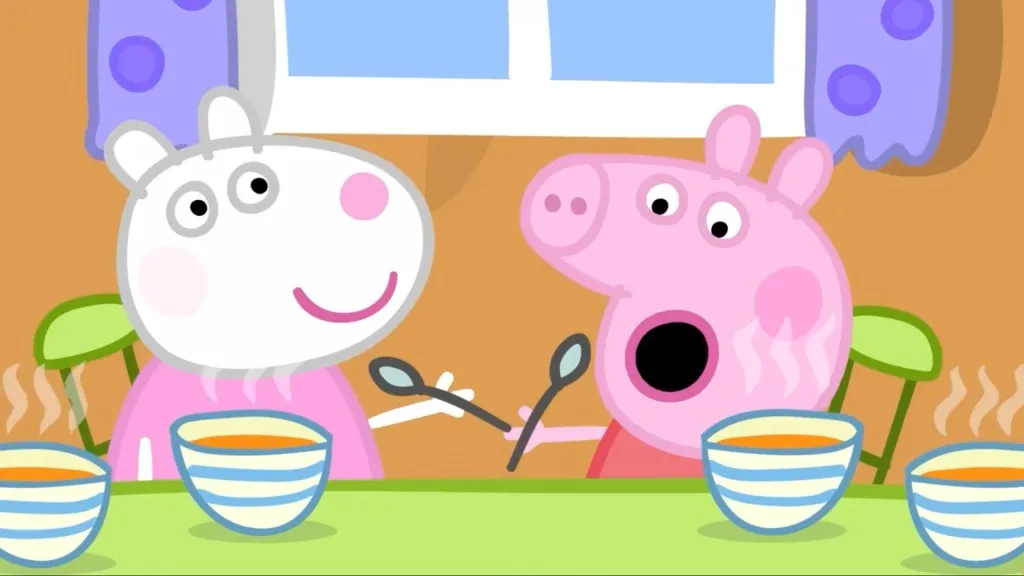
Hasbro, the parent company behind Peppa Pig, faces accusations that it requires child voice performers to grant rights for AI capture, cloning, training, and reuse indefinitely. For executives, this raises immediate questions about licensing, risk, and how “child protection” interacts with fast-moving AI standards.
Hasbro’s Peppa Pig is at the center of a new AI rights fight, after an open letter alleges the company requires child voice performers to sign away control of their voices for AI use indefinitely. The concern is specific and blunt: the Agents of Young Performers Association (AYPA) says the alleged “blanket licence” is for the ability to “capture, clone, train, or reuse a child’s voice indefinitely” for AI training and related models.
The letter also frames the dispute as non-negotiable. The group says Hasbro is offering contracts that insist performers agree to AI use, and that “the refusal to remove this clause with an attitude of ‘take it or leave it’ has led us to write this letter to make it clear that this will not be accepted.” Hasbro, in turn, did not comment on “specific negotiation and contractual arrangements,” but it said “the protection of child performers is core to who Hasbro is,” adding that it is “committed to engaging with this issue in a responsible and transparent manner” as AI industry standards evolve.
Zoom out, and you can see why this story matters beyond one cartoon. Peppa Pig, created in 2004, is a global machine: it has been broadcast in more than 180 countries and generated billions of dollars for Hasbro, which acquired the property in 2019. In other words, the show is not just a cultural artifact. It is a revenue engine built on authenticity, and a major part of that authenticity is voice acting by children. The source notes that the voice cast is used “to give the show childlike authenticity,” which is a key reason these performers matter commercially, not just aesthetically.
Now bring in the new incentive structure AI creates. If you can train models using recorded voices, the business case becomes brutally simple: generate more content without the same marginal cost of casting, recording, and re-approval cycles. That is exactly what the AYPA letter is warning about, even as it frames the practice in terms of rights. It argues that relying on pre-recorded child voices to train AI could allow “endless hours” of Peppa Pig-like output while bypassing ongoing labor and consent realities.
The letter also makes a legal and ethical claim that hits at the center of AI licensing. It argues that children “cannot provide fully informed legal consent and a parent or guardian’s approval should never be used as a blanket licence to capture, clone, train, or reuse a child’s voice indefinitely.” It goes further, saying that “any agreement involving a child’s voice should be fully exempt from all AI usage.” And it adds a forward-looking identity concern: “No child should have their future professional identity shaped by an AI model created before they were old enough to understand its consequences.” In plain English, the dispute is about whether consent tied to childhood can ever translate into consent for indefinite future AI use.
There is also a second-order issue for boards and dealmakers: precedent. Once an industry normalizes broad voice rights for AI, it becomes harder to roll back without stigma or disruption. That is why the letter is aimed outward at “the wider industry,” not just Hasbro. If other licensors, studios, and platforms follow similar approaches, child performers could end up with voice rights that outlive their childhood by decades, effectively transforming a performance into a permanent commercial asset tied to future technologies.
The Hasbro response, importantly, does not erase the allegation. It just draws a line around what it would not discuss. The company said it could not comment on “specific negotiation and contractual arrangements,” and it pointed to its position that child protection is foundational to how it operates. It also emphasized responsible engagement as AI standards continue to evolve. Taken together, that suggests the company is not disputing the general topic, but is avoiding a detailed factual rebuttal in this public forum.
For executives, the strategic stake is immediate: if you license talent or content that depends on children, AI turns contracting into a moving target. The “blanket licence” concept described by AYPA is exactly the sort of provision that can create long-tail liabilities, reputational risk, and partnership friction. Even if regulators have not fully harmonized standards everywhere, public-facing challenges like this can pressure studios, brands, and platforms to tighten consent language, narrow permitted uses, and rethink whether “indefinite” rights are defensible when the subject is a child.
And for anyone building in AI, the message is not subtle: child voices are not just data. They are identity, future leverage, and rights questions that compound over time. If Hasbro is forced to revisit contract terms, other major IP owners will feel it quickly, because executives do not want to be the next company scrambling while an industry standard hardens around “take it or leave it” clauses for indefinite AI voice use.
This story's Key Insights and Take-aways are locked.
Create a free account to unlock Executive Actions for one credit.
Register to UnlockAlways free for Executives Club members. Join the Club
More in Business

A flaw in PHP just forced governments to pull their own sites offline
European agencies from Belgium to Germany took websites dark to patch a critical weakness in the language behind almost 70% of the web, and the blast radius extends far beyond government portals.
BioWare shuts down, Mass Effect 5 dead after $55B EA buyout
The legendary RPG studio's closure lands months after a $55 billion investment group buyout of EA, raising tough questions for gaming's biggest acquirers.
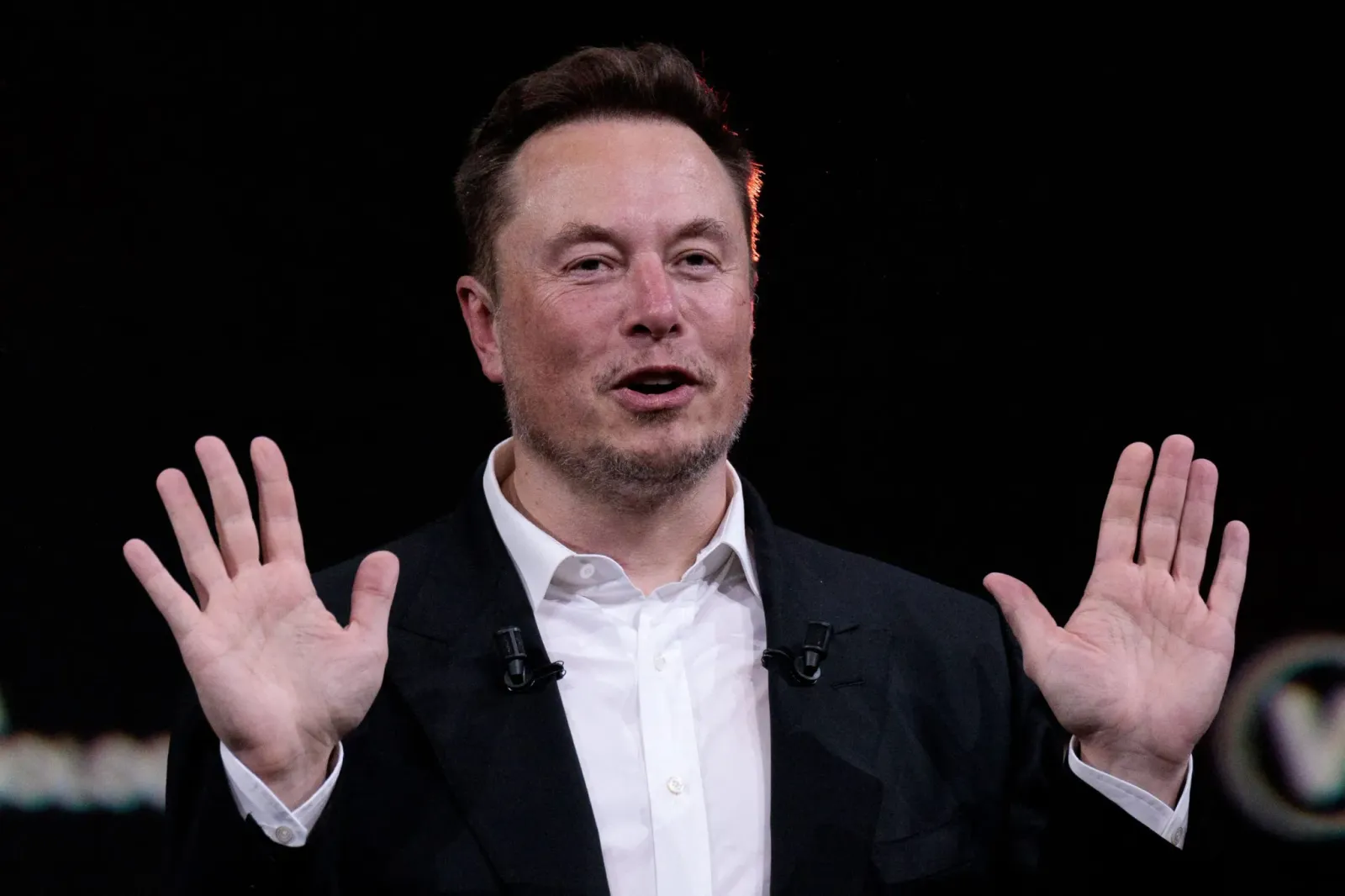
Musk barred from the room as Tesla, SpaceX boards weigh $3.5 trillion merger
The CEO of both companies is a 'conflicted party' watching independent directors negotiate a tie-up that would create a $3.5 trillion giant he would own about a third of.