
Hideaki Nishino hints Sony PS6 could come in “various forms,” including handheld
Sony CEO frames future consoles around “pick up and play,” backed by Portal usage data.
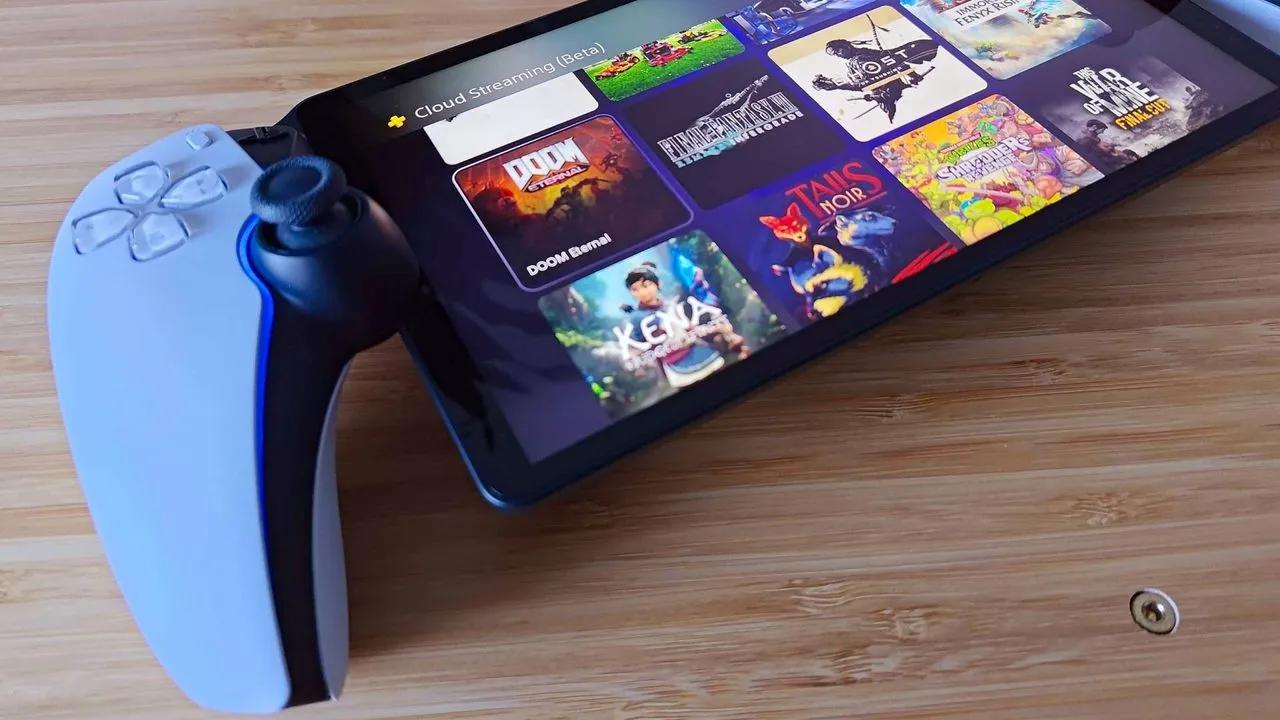
Hideaki Nishino, PlayStation’s CEO of Sony Interactive Entertainment, says Sony will “leverage technologies” that can be used in “various forms and locations,” pointing to “something exciting” and referencing the PlayStation Portal. For decision-makers, the subtext is clear: PS6 strategy could split the difference between TV consoles, portable experiences, and streaming-assisted play.
PlayStation CEO Hideaki Nishino just did something unusually direct: he described a path to next-gen consoles that could show up in different hardware formats and different physical locations. In the GamesRadar+ reporting of his comments, Nishino told Famitsu that Sony will be “leveraging technologies that can be used in various forms and locations” as it develops new game consoles, with the stated goal of delivering a “something exciting” future. That is not an official PS6 handheld announcement. But when the head of PlayStation talks about “various forms,” the handheld question stops being a rumor and starts being a planning assumption.
He tied it to a specific, consumer-facing requirement: today’s consoles need to deliver the “pick up and play” quality. Nishino also explained the logic using Sony’s broader living-room-to-everywhere strategy. Even though the PlayStation brand is “strongly associated with playing on the TV in the living room,” Sony is planning to release monitors and speakers so people can play “in other locations,” he said. And crucially, he pointed to the PlayStation Portal as part of this initiative. The Portal is not a standalone handheld in the classic sense; it is a device that can stream games or enable remote play from a connected PS5. Still, it is one of the clearest pieces of evidence Sony has already started building the experience pathway he is describing.
So what does this mean for a potential “portable PS6 handheld”? The source is careful: it calls the idea “not confirmed” and notes that nothing is certain in the hardware space, including what it calls the ongoing “RAMpocalypse.” That context matters because portable devices are brutally sensitive to component costs and availability. Handhelds are not just about design. They are about supply chain realities: memory, thermals, and the economics of running at acceptable performance while staying at consumer price points. Nishino’s comments, therefore, should be read as a strategy statement about architecture and platform thinking, not as a promise that a dedicated “PS6 Portable” exists today.
But the timing and wording push the conversation forward. The piece frames this as a continuation of whispers that a PS6 portable has been circulating, with prior rumors pointing to different directions. One rumor suggested a handheld PS6 could match the ROG Ally X on memory, while another claimed there would be no PS6 Portable until at least 2028. Nishino’s “various forms” language does not validate those specific rumors. What it does do is give Sony cover to pursue multiple form factors without pretending each one is a brand-new product category. For executives, that can be the difference between a costly bet and a portfolio approach where the same underlying technologies can be adapted.
Sony’s history also explains why this is a sensitive topic. The source reminds us that PlayStation has tried to enter handheld gaming multiple times. It began with the Japan-exclusive PocketStation, described as “very weird” and “very cool.” Then the PSP arrived as Sony’s biggest handheld statement yet, helping force competition with Nintendo and reaching over 70 million units sold. Later, the PS Vita reportedly crashed a generation later. In the current era, Sony’s only handheld-adjacent move has been the PlayStation Portal, which the article positions as an accessory more than a standalone handheld, but still “pretty successful, all things considered.”
Then Nishino adds a data point that is hard to ignore, especially for operators who live and die by engagement metrics. The source says the amount of people using cloud streaming on the PlayStation Portal “in January 2026 was 1.5 times that of December 2025.” That matters for two reasons. First, it suggests Portal usage is not a static niche; it can accelerate month to month. Second, it reinforces Nishino’s framing: Sony wants experiences that feel immediate and casual, not just technically possible. “Pick up and play” is the user promise. Portal usage is at least one signal of whether that promise is landing.
Still, the most important strategic line in the source is that streaming is not the future for Sony. Nishino says, “My belief that a console is necessary for playing games hasn't changed.” He is essentially drawing a boundary: consoles remain central, but the console experience can move. That is the core tension in the handheld debate. A true handheld competes head-on on portability and local hardware. A streaming device competes on convenience and ecosystem reach. Nishino’s comments appear designed to keep Sony from getting trapped in either lane.
Finally, the industry is watching for PS6 timing the way markets watch earnings. The source notes that Sony is considering pushing the PS6 to 2028 or 2029, and that “some analysts believe” this according to Embracer Group. Whether that timing lands as forecast or not, the decision window is already opening for developers, partners, and hardware suppliers. If Sony is indeed building a “various forms and locations” technology strategy, then the development teams planning for PS6 will need to consider multiple delivery pathways: TV, portable-adjacent streaming, and potentially a more traditional handheld form factor depending on what Sony decides is feasible. For peers in similar roles, the strategic stakes are simple: when PlayStation shifts from “living room only” to “experience anywhere,” the competitive map for handheld gaming changes, and it changes earlier than most companies admit.
This story's Key Insights and Take-aways are locked.
Create a free account to unlock Executive Actions for one credit.
Register to UnlockAlways free for Executives Club members. Join the Club
More in Business

Bungie cuts most Destiny 2 staff as Sony says Marathon still matters
Herman Hulst confirms layoffs affecting most Destiny and some Marathon teams after Bungie admits Destiny fell short.

SK Hynix jumps 11% after seeking up to $29.4B in Nasdaq listing
The chip giant filed for a Nasdaq listing plan that could raise $29.4 billion, instantly reshaping investor expectations.
Micron revenue hits nearly $42B as AI memory lifts gross margins above 81%
Fiscal Q3 results crush estimates, prove AI memory is rewriting Micron's margins, and change the momentum math for the whole chip stack.