

Hideo Kojima warns digital data may be cut off: “I would be a have-not.”
PlayStation plans a fully digital future by 2028, and Kojima says access to owned art could vanish overnight.
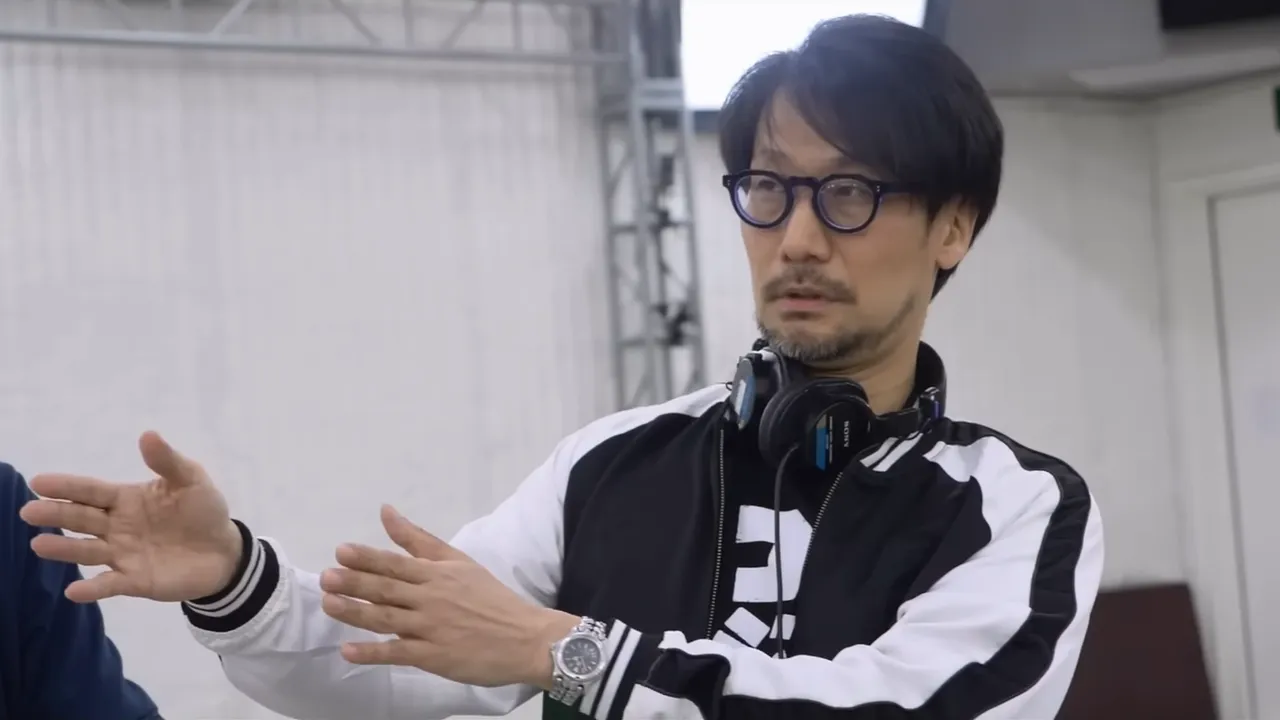
Hideo Kojima raised alarms in a social media post about digital data not being owned by individuals and access being cut off after major changes. The concern intensifies as Sony moves toward a fully digital PlayStation future, pressuring regulators, publishers, and players to confront preservation and consumer protection gaps.
Hideo Kojima is not usually the guy you go to for consumer policy debates. But in a social media post, the creator of Konami’s Metal Gear series warned that digital data may stop being owned by individuals, and that access to the art people love can suddenly be cut off. “Eventually, even digital data will no longer be owned by individuals on their own initiative,” Kojima said. “Whenever there is a major change or accident in the world, in a country, in a government, in an idea, in a trend, access to it may suddenly be cut off.” He adds, “I would be a have-not. That’s what I’m afraid of.”
That fear is landing in a very specific place right now. Sony’s latest news that PlayStation will be fully digital by 2028 has sharpened players’ concern that without physical media, beloved games and other forms of art could be removed from their lives at the whim of systems they do not control. Kojima also frames the issue as more than entitlement. “This is not greed,” he says, and he connects the problem to other media: “We will not be able to freely access the movies, books, and music that we have loved.” In other words, this is a broad ownership question, not just a game-store gripe.
The ownership panic is not new. “Stop Killing Games” has led efforts to push for consumer protections aimed at preserving playable games. But its latest bid for rule changes ran into a wall at the European Commission. The Commission said that, at this stage, it cannot propose a legal obligation to keep videogames playable after they stop being provided commercially. The reason was blunt and legally constrained: “This is due, also, to existing intellectual property rights. Under EU copyright law, rights holders enjoy exclusive rights over their creations.” That single sentence matters because it highlights the tension regulators face. Preservation is a consumer and cultural goal. Exclusive rights are a legal property framework for rights holders.
For executives and board members, the practical consequence is that “ownership” in the digital era often functions like access with conditions. If those conditions change, the product can disappear even when the underlying fanbase still wants it. The source makes that volatility concrete. Late last year, Amazon cancelled MMO New World despite concurrent player peaks of 60,000 strong. More recently, Destiny 2’s decade-long story is being wrapped up through Bungie’s biggest ever quality-of-life update, released at the start of last month. Servers are still up, but with no future updates, cheating and matchmaking are expected to worsen. Those are not hypothetical fears. They are examples of how digital services degrade or get terminated even while users remain engaged.
Now connect those service-level realities to Sony’s plan. Moving toward a fully digital PlayStation means removing the choice of physical games players used to have. Physical media used to act like a blunt but effective preservation mechanism, independent of a publisher’s long-term roadmap. When digital becomes the default distribution channel, preservation shifts from “can a customer keep what they bought?” to “can the provider keep the service running, and can law force continuity?” And as the European Commission’s response shows, forcing continuity is not straightforward under existing intellectual property rights.
Second-order, this creates pressure in the wrong place first. Consumers ask for access and preservation guarantees. Regulators point to copyright constraints. Publishers and platform owners face questions about whether their business model effectively turns cultural artifacts into expiring licenses. Rights holders can still argue they have exclusive rights and control over how and when works are provided. But the reputational and compliance risk does not disappear. It shifts into how platforms describe “ownership,” what happens after major changes, and how rapidly fans lose access when operational or strategic decisions change.
The source closes with a stark provocation: the Video Game History Foundation may be right that piracy is the only way forward for true ownership and preservation of videogames. That claim is not endorsed here, but it signals where the debate is headed when legal tools stall. If legitimate paths to long-term access are blocked by IP frameworks and commercial incentives, preservation fights often move into gray markets. Whether or not piracy becomes a policy lever, the underlying message from Kojima is clear: digital can be revoked. Access can be cut off. And when that happens, the people who invested time, money, and identity in the art become “have-nots.”
This story's Key Insights and Take-aways are locked.
Create a free account to unlock Executive Actions for one credit.
Register to UnlockAlways free for Executives Club members. Join the Club
More in Entertainment

Russell Brand's accuser 'bewildered and confused' as he denies 7 sex charges
The criminal case against the comedian is a live test of how media companies manage talent risk when serious allegations go public.

'It's a Magic Trick': Ballet Experts Say Rosalía's SNL Pose Is Impossible
Three ballet experts tell Rolling Stone Rosalía's gravity-defying SNL stillness shouldn't be possible - and why the debate is now part of the show.

Activision CMO: GTA 6 Will Boost Call of Duty, Not Bury It
Activision's top marketer says Rockstar's blockbuster will drive players back to consoles and into Modern Warfare 4, even as the company admits its recent strategy failed.