
Hip replacement cobalt poisoning scrambled a woman’s nerves after a 19-year failure window
A New England Journal of Medicine case traced worsening paralysis, memory, and palpitations to grey fluid inside the failing hip.
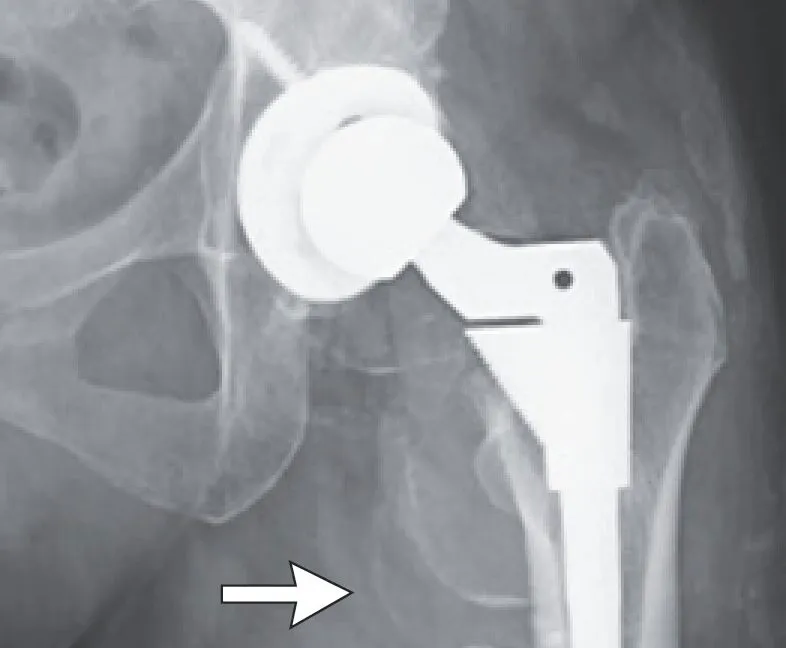
A 56-year-old woman’s progressive neurological symptoms and heart palpitations were traced in a New England Journal of Medicine case report to cobalt poisoning from a hip replacement. For decision-makers, the case highlights how medical device failure timelines and material byproducts can create systemic, hard-to-diagnose risk.
A 56-year-old woman arrived at the hospital with symptoms that kept escalating for eight weeks: pins and needles starting in both feet, then climbing her legs until she could no longer feel her feet on the ground. She was stumbling, grabbing walls to stay upright, and as the numbness spread, it eventually moved into her hands too. Then the neurological pattern got stranger. She reported short-term memory problems and difficulty concentrating, plus irritability and no appetite, along with heart palpitations.
The punchline, according to a case report published this week in the New England Journal of Medicine, is that the decline was traced to cobalt poisoning coming from her hip replacement. Doctors found grey fluid and dead, metallic flesh inside the failing joint, and they ultimately connected her whole-body symptoms to what was happening locally in the implant.
The confusing part for clinicians is that early clues were subtle and common. Her medical history included high blood pressure, anxiety and depression, and hypothyroidism. She had managed her thyroid condition for more than a decade at the same dose of medication, then was switched four weeks earlier to a stronger dose. That timing could easily send a diagnostic team down the wrong path because medication changes can cause neurological and cognitive effects. But the report indicates the dosing change did not immediately stand out as the explanation.
So doctors had to broaden the search, not just look for one obvious culprit. They had to piece together a progression that spanned nerves, thinking, mood, appetite, and heart rhythm symptoms. The pattern matters because it is the kind of presentation that can look like a neurologic disorder, a psychiatric relapse, or medication side effects. When symptoms start distally in the feet and move upward, clinicians think about multiple mechanisms, and cognitive changes add another layer. Palpitations then pull in cardiovascular possibilities, even as the underlying root cause turns out to be trace metal toxicity.
Here is why the case is also a device-safety and risk-management story, not only a medical one. The woman had a hip replacement that originated from a car crash injury: twenty years prior to the current admission, she had the hip replacement, and the crash that set up the initial injury happened ten years before that. Critically, while more than 90 percent of hip replacements last at least 30 years, hers started failing after 19. That gap between expected longevity and this patient’s timeline is not just a clinical curiosity. It’s the difference between “routine follow-up” assumptions and “something has gone wrong earlier than expected,” which raises the stakes for monitoring, patient communication, and clinician vigilance.
In practical terms, second-order risk appears when the device fails early and the failure does not announce itself with a single mechanical symptom. In this case, the joint problem manifested as systemic toxicity. Doctors looked through her medical history for clues and found nothing that immediately stood out, and they only arrived at the metal poisoning explanation after examining what was inside the hip replacement. The grey fluid and dead, metallic flesh were the tangible evidence that linked the implant environment to cobalt exposure.
For executives and board-level decision-makers in healthcare, medtech, and adjacent services, this is a reminder that “implant failure” is not always a clean, local issue. It can become a multi-system problem that complicates diagnosis and prolongs uncertainty. Regulatory frameworks for medical devices typically focus on safety and performance, but cases like this show how failure can present indirectly, forcing more expensive workups and potentially longer-term harm. The longer a systemic mechanism takes to be identified, the larger the operational and reputational burden can become: clinicians spend more time ruling out other causes, facilities may face more complex patient management, and organizations associated with device safety must manage fallout from early failure scenarios.
For peers making policy, underwriting risk, or governing device-related programs, the lesson is not to treat implant longevity as a promise. Even with the reassuring statistic that more than 90 percent of hip replacements last at least 30 years, there will be outliers, and outliers can produce cascade symptoms that look like something else entirely. The strategic stakes are straightforward: the earlier and clearer your signals of malfunction and material-related toxicity, the faster teams can act, reduce diagnostic drift, and protect patients from systemic downstream effects.
This story's Key Insights and Take-aways are locked.
Create a free account to unlock Executive Actions for one credit.
Register to UnlockAlways free for Executives Club members. Join the Club
More in Technology

Nvidia's $89B data center quarter: the 9 companies cashing in
The AI buildout is minting fortunes beyond GPUs, and memory, cloud, and cooling suppliers are riding the same wave.

Google quietly links your phone number to every Android account on your SIM
Adding a SIM now ties your phone number to all Google accounts - and future accounts inherit it. Here's the security and privacy stakes.

Hijacker AI 'Skynet mode' runs 100,000 attack steps against exposed models
Symantec caught a criminal AI agent that borrows other models, steals data, and mines crypto; the only relief is no confirmed victims yet.