
Hong Kong IPO runups increasingly sour after debut, as listings intensify market competition
A pre-debut trading surge is starting to flip into a post-listing performance problem, changing how executives should judge IPO momentum.
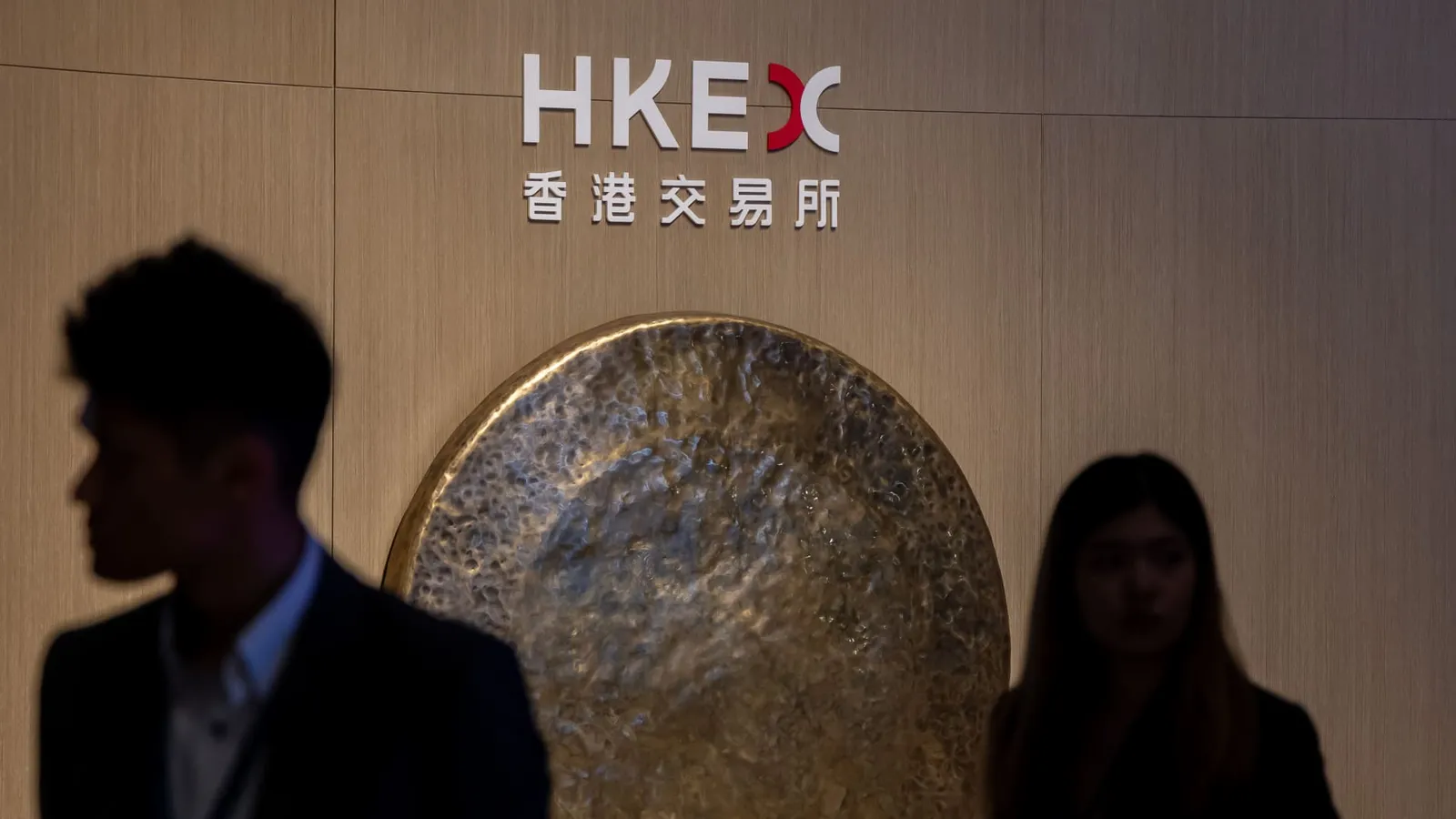
Hong Kong’s push to rival Wall Street for IPO deal leadership is colliding with a pattern CNBC flags: pre-debut runups are turning sour after listings. For decision-makers, that performance wobble raises the bar for how you assess hype, pricing, and long-term investor confidence.
Hong Kong’s IPO boom is developing an uncomfortable second act: a growing number of pre-debut runups are turning sour after their listing, CNBC reports. In plain English, the excitement shows up before trading starts, then the shares struggle once the company is officially public.
That matters because the current moment is basically a high-stakes race. As Hong Kong vies with Wall Street to be the top IPO market, every listing is not just a fundraising event. It is also a signal to global investors about market quality, deal discipline, and whether hype turns into sustainable demand. When pre-debut strength reliably unravels after debut, it can quietly change how the market prices risk and how long capital stays patient.
To understand why this pattern can emerge, it helps to look at how IPO momentum typically gets built. In many markets, trading interest often accelerates before and around the pricing and listing window, fueled by anticipation, institutional positioning, and retail attention that follows price moves. That pre-debut activity can create a storyline that the market itself reinforces: strong runups feel like proof of value, so more investors pile in.
The problem, as the CNBC framing suggests, is that a runup before listing is not the same thing as performance after listing. After a company debuts, the market gets new information and new incentives come into play. Liquidity changes, lock-up timelines can loom, and the investor base can shift quickly. Instead of trading a “coming soon” narrative, shareholders start evaluating actual fundamentals and the company’s ability to deliver on the expectations that the runup implied.
Now layer in the specific competitive pressure Hong Kong is under. “Vies with Wall Street” is not just rhetorical. When an exchange is competing for deal flow, issuers and intermediaries want to prove that they can attract investors at the right price. If the market starts to see a disconnect between pre-debut enthusiasm and post-listing performance, the reputational cost can show up in multiple ways. Investors may demand better terms. Underwriters may face more scrutiny. Companies may find it harder to maintain investor confidence once the first-week narrative runs out.
There is also a regulatory backdrop worth keeping in view. While CNBC’s excerpt does not add regulatory details beyond the market contest framing, IPO regulation in places like Hong Kong exists to balance access to public markets with protections against unfair practices. When pre-debut runups become a repeating pattern with sour post-debut outcomes, regulators and exchanges tend to look harder at the ecosystem around issuance. That can include how information is disclosed, how trading behavior is monitored, and whether the buildup is driven by sustainable demand or short-term speculation.
For executives, the second-order implication is subtle but real. If pre-debut price strength is increasingly unreliable as a predictor of post-listing trading, boards and leadership teams have to treat “deal narrative” as a risk factor, not a marketing asset. The goal of going public is not just to get the listing day right. It is to build long-term shareholder trust, because that trust affects future capital raising, employee morale and retention, and the cost of equity.
The broader stake for peers in the IPO lane is this: when a market’s runup-to-debut pattern starts to sour, it can become self-reinforcing. Investors who have been burned once start arriving with more skepticism. Underwriters may change pricing strategy. Issuers may reconsider timing, valuation, and disclosure cadence. And in a world where Hong Kong is trying to win market share against Wall Street, credibility becomes the most valuable currency, because without it, the boom can turn into a cycle of disappointment.
CNBC’s core point is simple, but it is not trivial: Hong Kong’s IPO boom is developing a performance problem, and the warning sign is showing up early, in the runup before the debut. The question executives should be asking is whether their deal process is optimizing for the pre-debut story, or whether it is actually aligning expectations with what the public market will test after the trading clock starts.
This story's Key Insights and Take-aways are locked.
Create a free account to unlock Executive Actions for one credit.
Register to UnlockAlways free for Executives Club members. Join the Club
More in Business

Nvidia memory-chip deal lifts AI hopes, but SK Hynix and Samsung shares face fresh pressure
A new memory-chip agreement is not enough to stop South Korean stocks sliding as the AI trade cools.

AXA and Standard Chartered push HK offshore wealth despite mainland cross-border squeeze
This week’s new private offerings show regulatory tightening has not stopped big firms from betting on Hong Kong high-net-worth growth.

VCs say “super-app talk is mostly noise” as labs, agents, and vibe coders collide
The same AI players are selling each other shovels, and the retention math is about to hurt.