
Hong Kong's 100 angel funds vs Shenzhen's 400: listing rules must ease
Hong Kong's 100 active angel funds are dwarfed by Shenzhen's 400, and the HKEIA says easing listing rules is the fix.
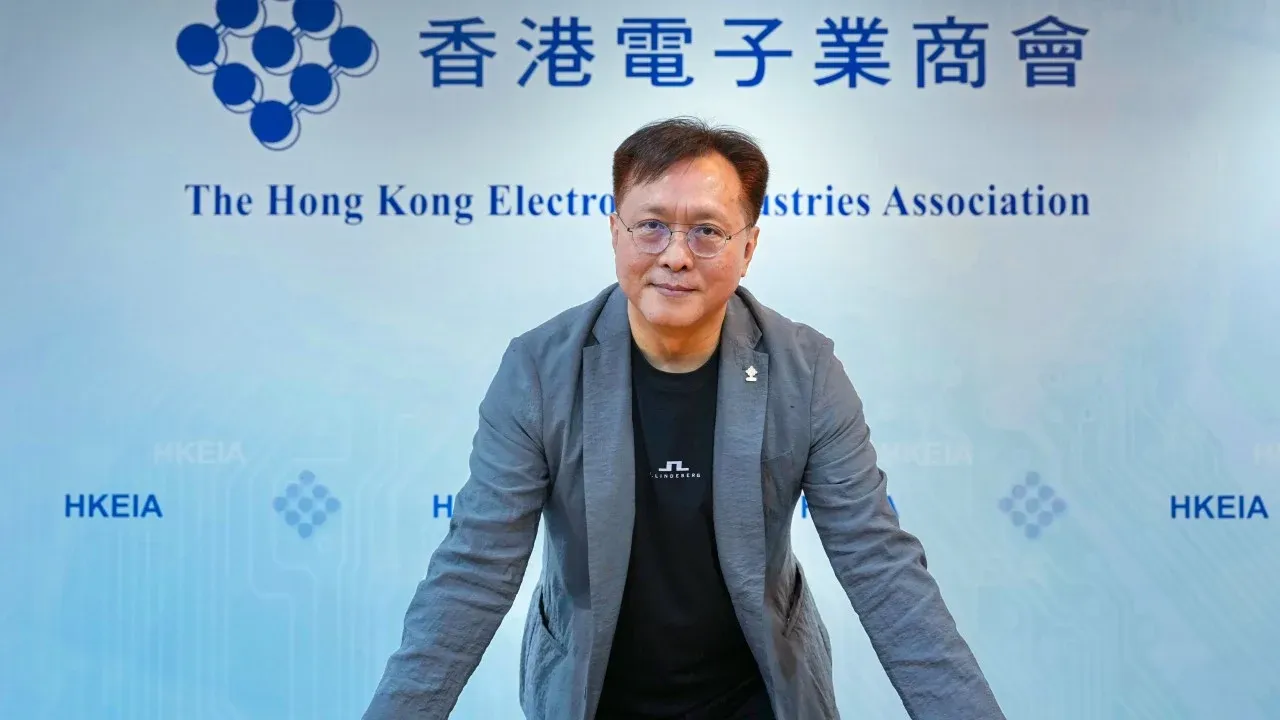
Samson Tam Wai-ho, honorary chairman of the Hong Kong Electronic Industries Association, said the city must ease listing rules and transaction requirements to attract more angel funds and become a hub for start-ups to go global. Without reform, Hong Kong risks falling further behind Shenzhen, which has four times as many active angel funds.
Hong Kong has only around 100 active angel funds - private investment vehicles that back very early-stage innovative enterprises - compared with roughly 400 in Shenzhen, according to Samson Tam Wai-ho, honorary chairman of the Hong Kong Electronic Industries Association (HKEIA). That 4-to-1 gap is not just a statistic; it is a warning sign for the city's ambition to become a launchpad for start-ups going global.
Tam's prescription is direct: Hong Kong must ease its listing rules and transaction requirements to attract more angel funds. Without such changes, he argues, the city will struggle to compete with Shenzhen and other regional hubs for the early-stage capital that fuels innovation. The HKEIA, a leading industry body, is effectively telling policymakers that the current regulatory framework is a bottleneck.
Angel funds are the first institutional money that start-ups typically receive, often before venture capital firms step in. They provide not just capital but also mentorship, networks, and operational guidance. For a city that wants to be a global start-up hub, a healthy angel ecosystem is the foundation. Yet Hong Kong's thin pool of such funds suggests that investors see better opportunities elsewhere.
The link between listing rules and angel funding is indirect but powerful. Angel investors need a clear exit path - typically an initial public offering or an acquisition - to realize returns. If listing on the Hong Kong exchange is seen as too costly, time-consuming, or restrictive, especially for pre-profit technology companies, then early-stage investors will hesitate to commit. Tam's call to ease transaction requirements speaks directly to that friction.
Shenzhen's advantage is not accidental. The mainland city sits at the heart of China's technology ecosystem, with deep ties to hardware manufacturing and a regulatory environment that has historically been more accommodating to high-growth, pre-revenue companies. Hong Kong, by contrast, has often been perceived as more conservative in its listing standards, even as it has tried to attract tech listings with reforms such as allowing weighted voting rights and unprofitable biotech firms.
The stakes go beyond funding. Start-ups choose where to incorporate and list based on the entire ecosystem: access to capital, talent, customers, and a clear path to public markets. If Hong Kong's rules remain cumbersome, founders may opt for Shenzhen, Singapore, or even the United States, taking jobs and innovation with them. The HKEIA's warning is a reminder that regulatory competitiveness is economic competitiveness.
For context, Hong Kong has already made moves to modernize its listing regime, but the HKEIA suggests more is needed. The association's emphasis on easing rules for angel funds implies that the current thresholds and compliance burdens are deterring the very investors who back the earliest stage of innovation. Whether that means lower revenue requirements, faster approval timelines, or more flexible share structures, the direction is clear: reduce friction.
For founders and investors, the message is to watch Hong Kong's regulatory agenda closely. If reforms materialize, the city could become a more attractive venue for both raising early-stage capital and going public. If they stall, the gap with Shenzhen will only widen. The HKEIA has put the issue on the table; the question is whether policymakers will act.
This story's Key Insights and Take-aways are locked.
Create a free account to unlock Executive Actions for one credit.
Register to UnlockAlways free for Executives Club members. Join the Club
More in Business

Elon Musk unveils a flying car, and SpaceX helped build it
The Tesla CEO's showcase at a SpaceX facility signals a future where road and rocket engineering converge.

Apple's $2,000 iPhone Duo opens preorders, taking on Samsung and Google
Apple's first foldable hits the market at a premium price, reshaping a category Samsung and Google have led.

Pope Leo XIV, first American pope, diagnosed with lung cancer
The 71-year-old Chicago-born pontiff underwent successful surgery on his right lung, and his diagnosis raises new questions about his AI-focused papacy and the Vatican's future.