

Hong Kong's Pokemon Card Boom: Pikachu Now Trades Like a Stock
Millennial nostalgia and global capital have turned rare Pokemon cards into a serious investment, complete with grading, tokenization, and even crime.
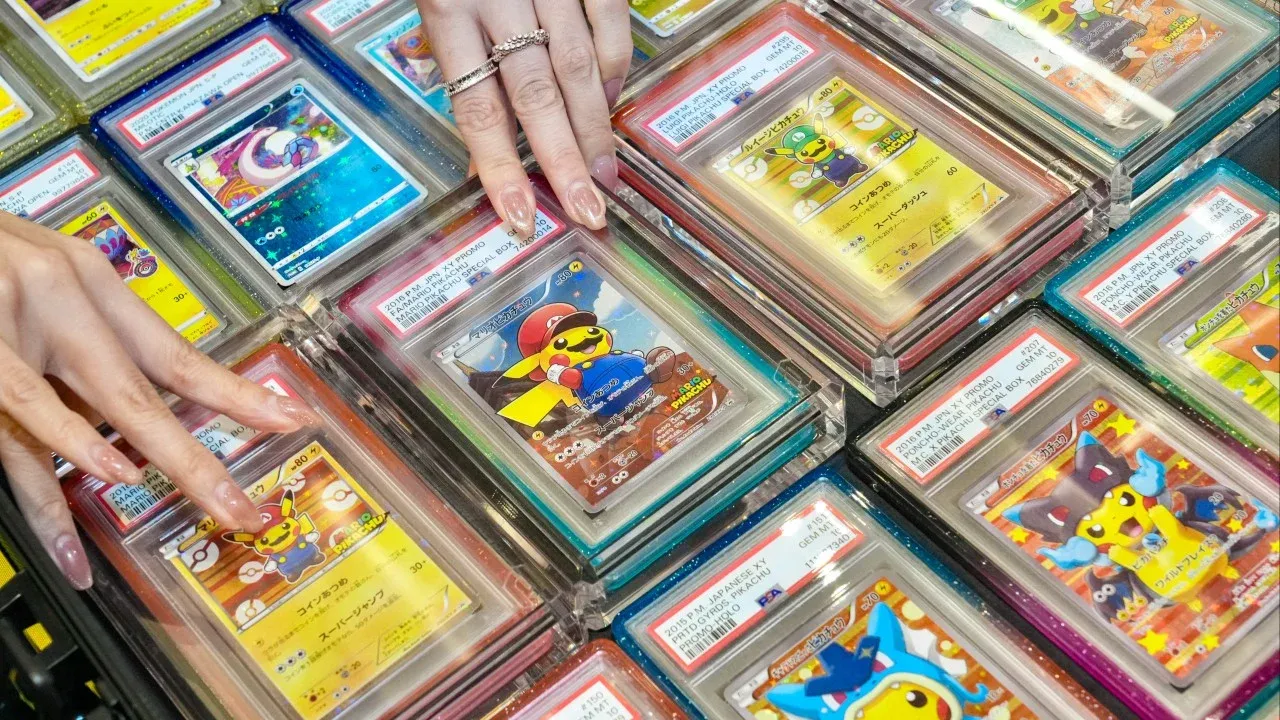
Hong Kong's Pokemon card market has evolved from a childhood hobby into a sophisticated asset class, driven by millennial nostalgia and global capital. Investors now treat rare cards like Pikachu as financial instruments, with professional grading, tokenised funds, and institutional-grade storage - but the boom has also attracted crime.
Remember when Pokemon cards were just shiny cardboard for kids? In Hong Kong, they've become a serious financial instrument. Rare Pikachu cards now trade like stocks, with prices that would make a blue-chip jealous. The market has grown so sophisticated that it now boasts professional grading, tokenised funds, and institutional-grade storage - and, inevitably, crime.
The transformation didn't happen overnight. What started as schoolyard trades in the late 1990s has morphed into a multi-million-dollar ecosystem. The driving force? Millennial nostalgia. The generation that grew up with Pokemon is now in its prime earning years, and they're pouring money back into the cards they loved as kids. But it's not just sentiment - global capital has taken notice. Investors are treating these cards as alternative assets, diversifying portfolios with something that appreciates faster than gold in some cases.
The market's maturity is evident in its infrastructure. Professional grading services, like PSA and Beckett, now authenticate and rate cards, with a perfect 10 fetching a massive premium. Tokenisation is another frontier - funds are emerging that fractionalise ownership of high-value cards, allowing smaller investors to get a piece of a rare Charizard. And storage? Institutional-grade vaults, similar to those used for precious metals, now house these cardboard treasures, complete with climate control and security.
Hong Kong is not alone in this frenzy, but it has become a regional hub. The city's status as a financial centre, combined with a deep pool of collectors and investors, has made it a hotspot for Pokemon card trading. Auctions at major houses like Christie's and Sotheby's have seen record-breaking sales, and dedicated trading floors have sprung up in commercial districts. The global market for trading cards is estimated to be worth billions, and Hong Kong is capturing a significant slice of that action.
But where there's money, there's crime. Hong Kong has seen a rise in Pokemon card-related thefts, with thieves targeting stores and collectors. Counterfeits are also a growing problem, as sophisticated fakes can fool even seasoned eyes. The police have had to step in, and some dealers now use UV lights and magnifiers to verify authenticity. The dark side of the boom is a reminder that any asset class attracts bad actors.
The market behaves like a hybrid of art and stocks. Prices are driven by scarcity, condition, and cultural relevance. A first-edition Pikachu can sell for hundreds of thousands of dollars, but the market is volatile. A single tournament result or a new movie release can send prices soaring or crashing. Liquidity is improving, with dedicated trading platforms and auction houses, but it's still not as liquid as traditional assets. For investors, that means higher risk, but also higher potential returns.
For those considering entering the market, the advice is to treat it like any alternative investment. Do your due diligence, understand the grading system, and be wary of fads. Diversification is key - don't put all your money into a single card. And be prepared for a long-term hold; these cards are not a get-rich-quick scheme. But for those who get it right, the returns can be spectacular. The market is still young, and the infrastructure is still developing, which means there are opportunities for early movers.
Looking ahead, the market is likely to become more regulated. As it grows, expect more oversight from financial authorities, especially if tokenisation becomes more widespread. That could bring both stability and new challenges. The key question is whether the nostalgia-driven demand will persist or fade as millennials age. For now, the market is red-hot, and Hong Kong is at the centre of it. Whether you're a collector or an investor, the Pokemon card market is one to watch.
This story's Key Insights and Take-aways are locked.
Create a free account to unlock Executive Actions for one credit.
Register to UnlockAlways free for Executives Club members. Join the Club
More in Business
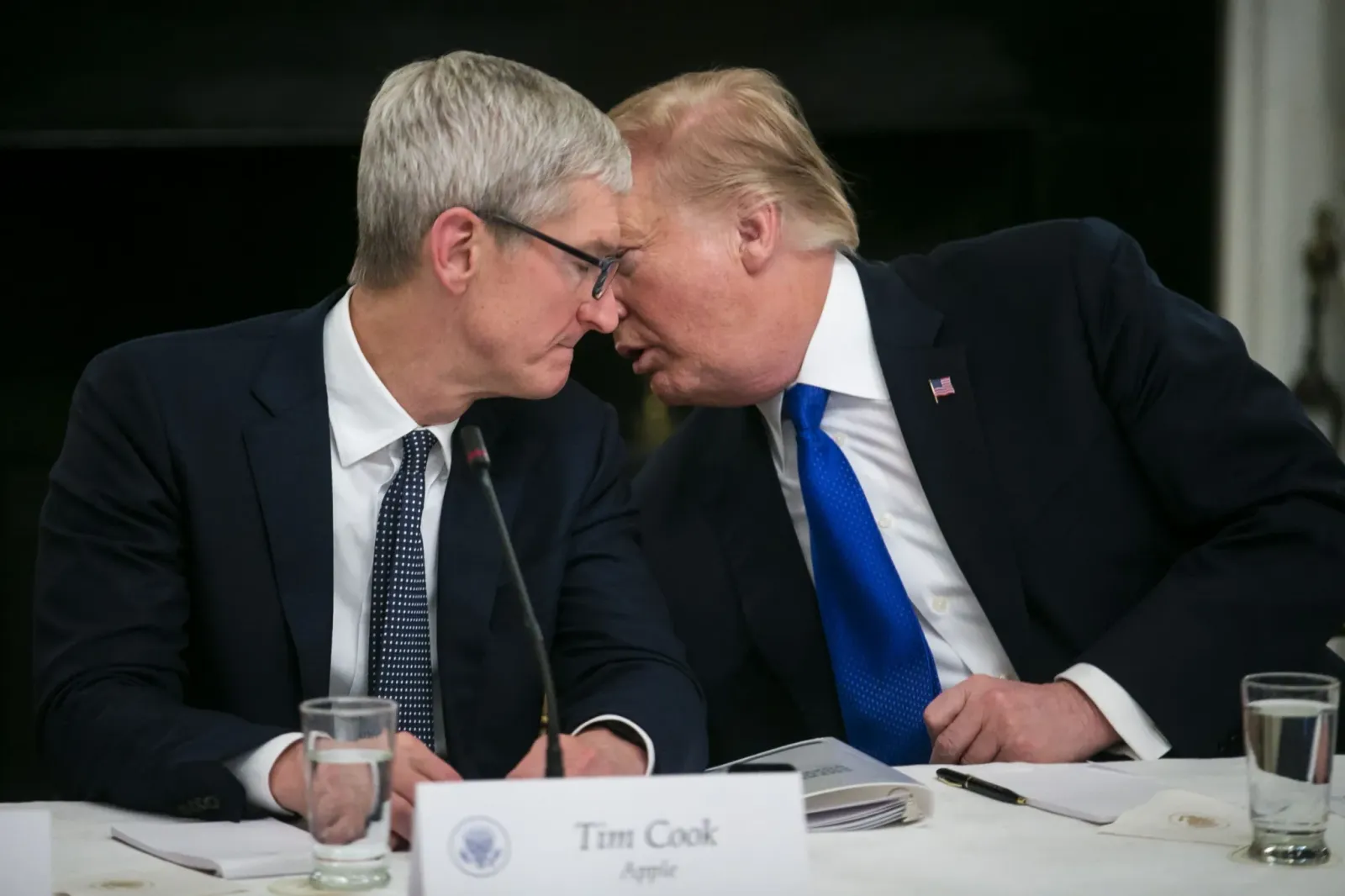
Tim Cook steps down as Apple CEO, stays on as chair with $45M equity
The 'Trump whisperer' keeps his White House and Beijing access as Apple navigates tariffs and a $4.6 trillion market cap.

Snowflake shares surge as AI data demand crushes estimates, lifting full-year forecast
Stocks jumped on stronger-than-expected guidance, signaling enterprise AI workloads are accelerating faster than Wall Street priced in.
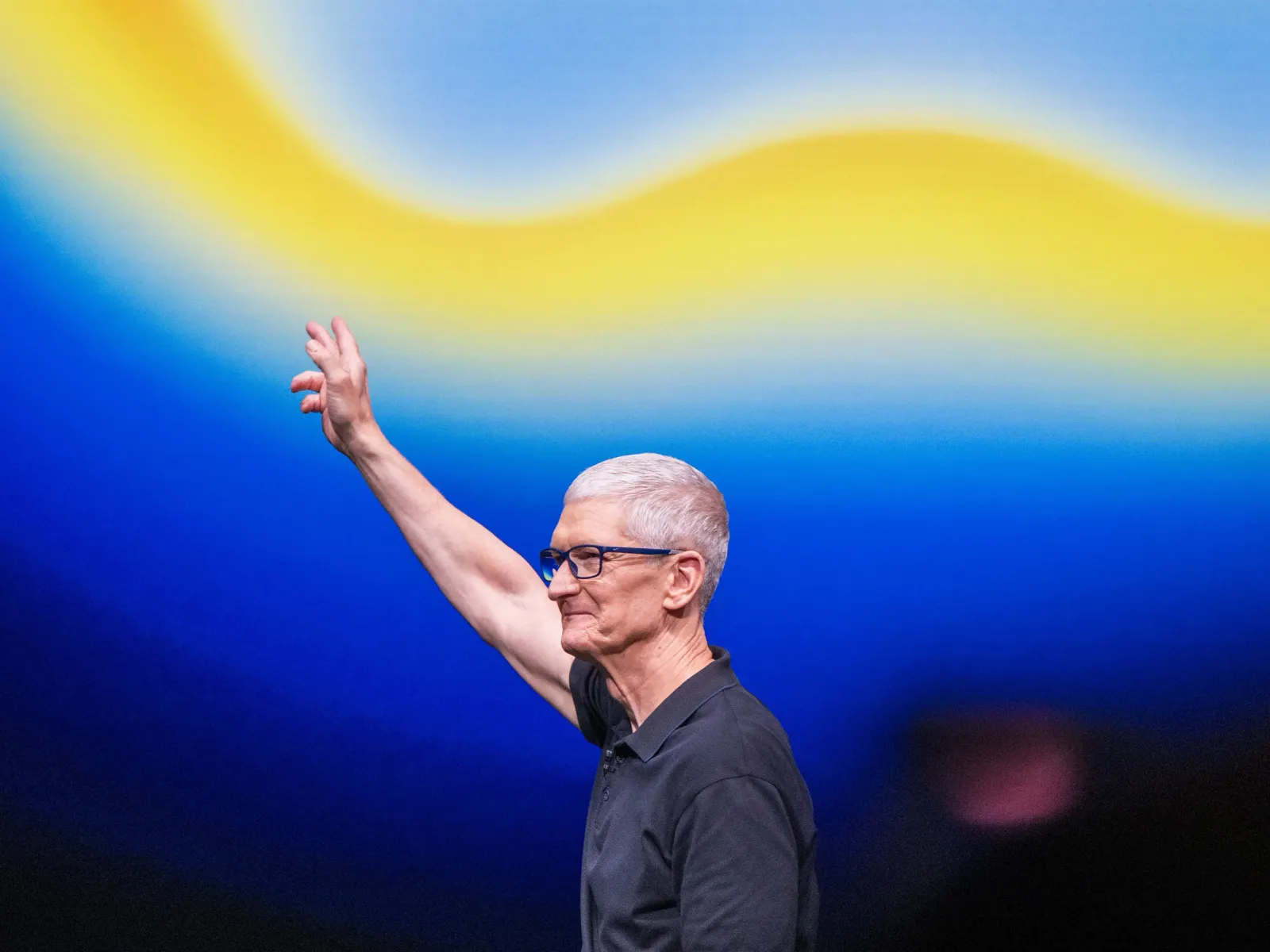
Tim Cook's 15-year Apple CEO run ends: 3 lessons for any successor
After 15 years, Tim Cook hands Apple to John Ternus - here's how he turned a $350B company into a $4.6T juggernaut.