
Hong Kong tops Asia in billionaires, trails only New York globally
New Altrata data shows Hong Kong's billionaire count leads Asia and ranks second worldwide, while mainland Chinese cities close the gap on AI-driven wealth.
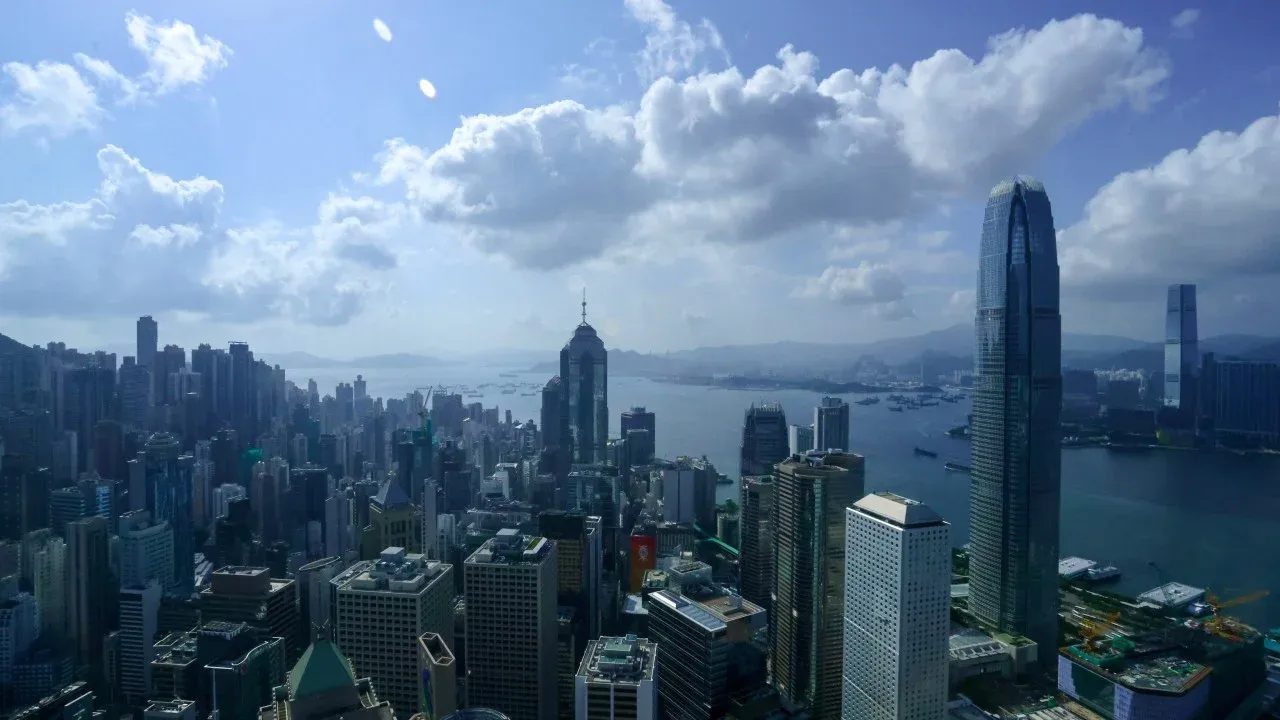
Hong Kong remains Asia's billionaire capital and the world's second-largest hub for ultra-wealthy individuals, according to New York-based data firm Altrata. The city's lead is narrowing as Beijing and Shenzhen surge on the back of artificial intelligence wealth creation, signaling a shift in global wealth geography that investors and policymakers must watch.
Hong Kong has once again cemented its status as Asia's premier billionaire hub, ranking second globally with a concentration of ultra-wealthy individuals that only New York surpasses, according to fresh data from Altrata, a New York-based wealth intelligence firm. The city's resilience in the face of regional competition underscores its enduring appeal as a financial gateway, but the gap with mainland Chinese cities is closing fast, driven by a booming artificial intelligence sector that is minting new fortunes at an unprecedented pace.
Altrata's latest report, which tracks individuals with net assets of $100 million or more, places Hong Kong at the top of the Asian leaderboard and second worldwide, trailing only New York. The data reflects a year of significant wealth creation across the region, with Hong Kong's billionaire count remaining robust despite global economic headwinds, rising interest rates, and geopolitical tensions. The city's unique position as a bridge between East and West, its deep capital markets, and its favorable tax regime continue to attract and retain the world's wealthiest families and entrepreneurs.
Yet the most striking trend in the data is the rapid ascent of mainland Chinese cities, particularly Beijing and Shenzhen, both of which have secured spots among the top 15 global cities for billionaire residents. The surge is directly linked to the artificial intelligence boom, which has propelled tech founders, early investors, and AI infrastructure providers into the billionaire ranks. Shenzhen, home to tech giants like Huawei and Tencent, has become a hotbed of AI innovation, while Beijing's concentration of research institutions, talent, and venture capital has created a virtuous cycle of wealth generation. This shift signals a broader rebalancing of global wealth, with China's technology sector now rivaling traditional financial centers in producing new billionaires.
For Hong Kong, the challenge is not just maintaining its lead but adapting to a changing wealth landscape. The city's traditional strengths in finance, real estate, and trade remain intact, but the rise of AI-driven wealth in mainland cities poses a competitive threat. Hong Kong's stock exchange has seen a wave of tech listings, and its regulators have been proactive in courting AI companies, but the gravitational pull of mainland innovation hubs is strong. The data suggests that while Hong Kong remains the preferred domicile for many billionaires due to its legal system, international connectivity, and lifestyle, the source of new wealth is increasingly shifting northward.
The implications extend beyond city rankings. For investors, the concentration of billionaire wealth in AI hubs like Beijing and Shenzhen signals where future capital flows and business opportunities will emerge. For policymakers, the data highlights the need to foster innovation ecosystems that can compete with the likes of Silicon Valley and Shenzhen. Hong Kong's government has already launched initiatives to attract tech talent and support startups, but the pace of change in the AI sector demands faster adaptation. The city's role as a wealth management hub is also evolving, with family offices and private banks increasingly catering to a new generation of tech entrepreneurs who may not have traditional finance backgrounds.
Altrata's methodology, which draws on public records, proprietary databases, and news reports, provides a comprehensive view of the ultra-wealthy landscape. The firm's data shows that while the total number of billionaires globally has grown, the distribution is becoming more concentrated in a few key cities. New York's top position is unsurprising given its status as a global financial and cultural capital, but Hong Kong's second-place finish is a testament to its resilience. The city has weathered political protests, a pandemic, and a tightening regulatory environment, yet it continues to attract wealth from across Asia and beyond.
Looking ahead, the race for billionaire supremacy in Asia is far from settled. Hong Kong's lead is real but narrowing, and the AI-driven wealth wave could accelerate the rise of mainland cities. For now, Hong Kong retains its crown, but the data serves as a wake-up call for the city's leaders and business community. The next decade will test whether Hong Kong can reinvent itself as a hub for innovation and technology, or whether it will cede ground to the dynamic mainland cities that are rapidly closing the gap. The answer will shape not only the fortunes of the ultra-rich but also the broader economic trajectory of the region.
This story's Key Insights and Take-aways are locked.
Create a free account to unlock Executive Actions for one credit.
Register to UnlockAlways free for Executives Club members. Join the Club
More in Business
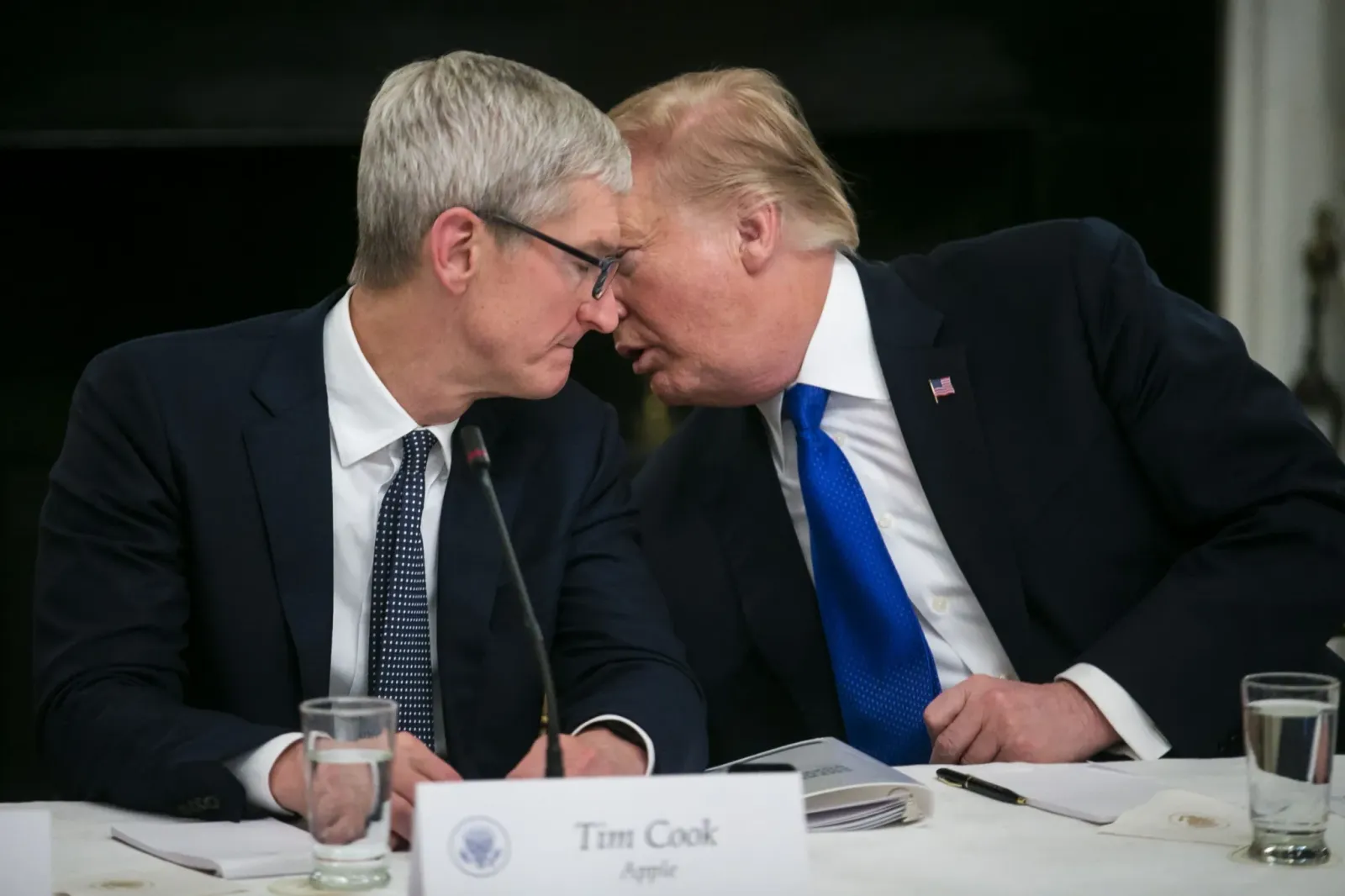
Tim Cook steps down as Apple CEO, stays on as chair with $45M equity
The 'Trump whisperer' keeps his White House and Beijing access as Apple navigates tariffs and a $4.6 trillion market cap.
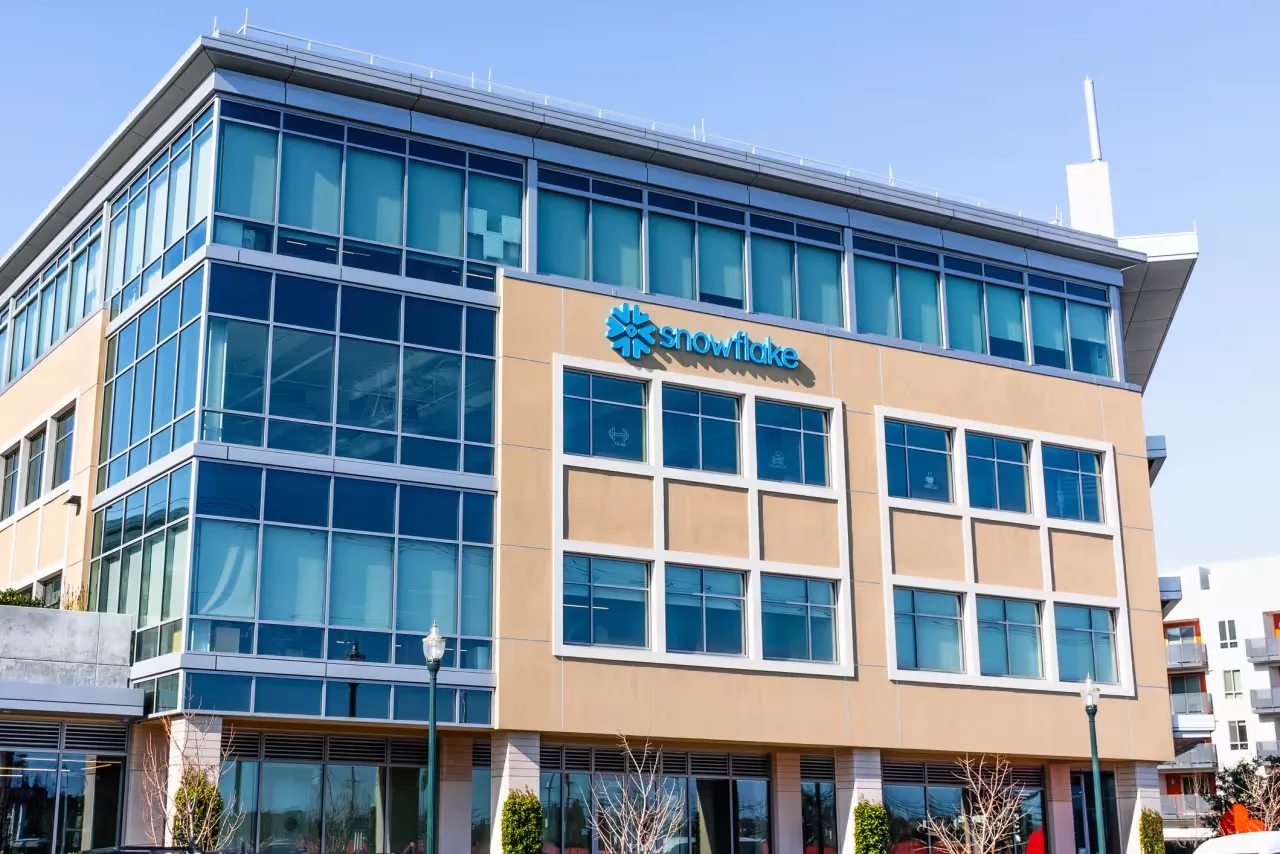
Snowflake shares surge as AI data demand crushes estimates, lifting full-year forecast
Stocks jumped on stronger-than-expected guidance, signaling enterprise AI workloads are accelerating faster than Wall Street priced in.
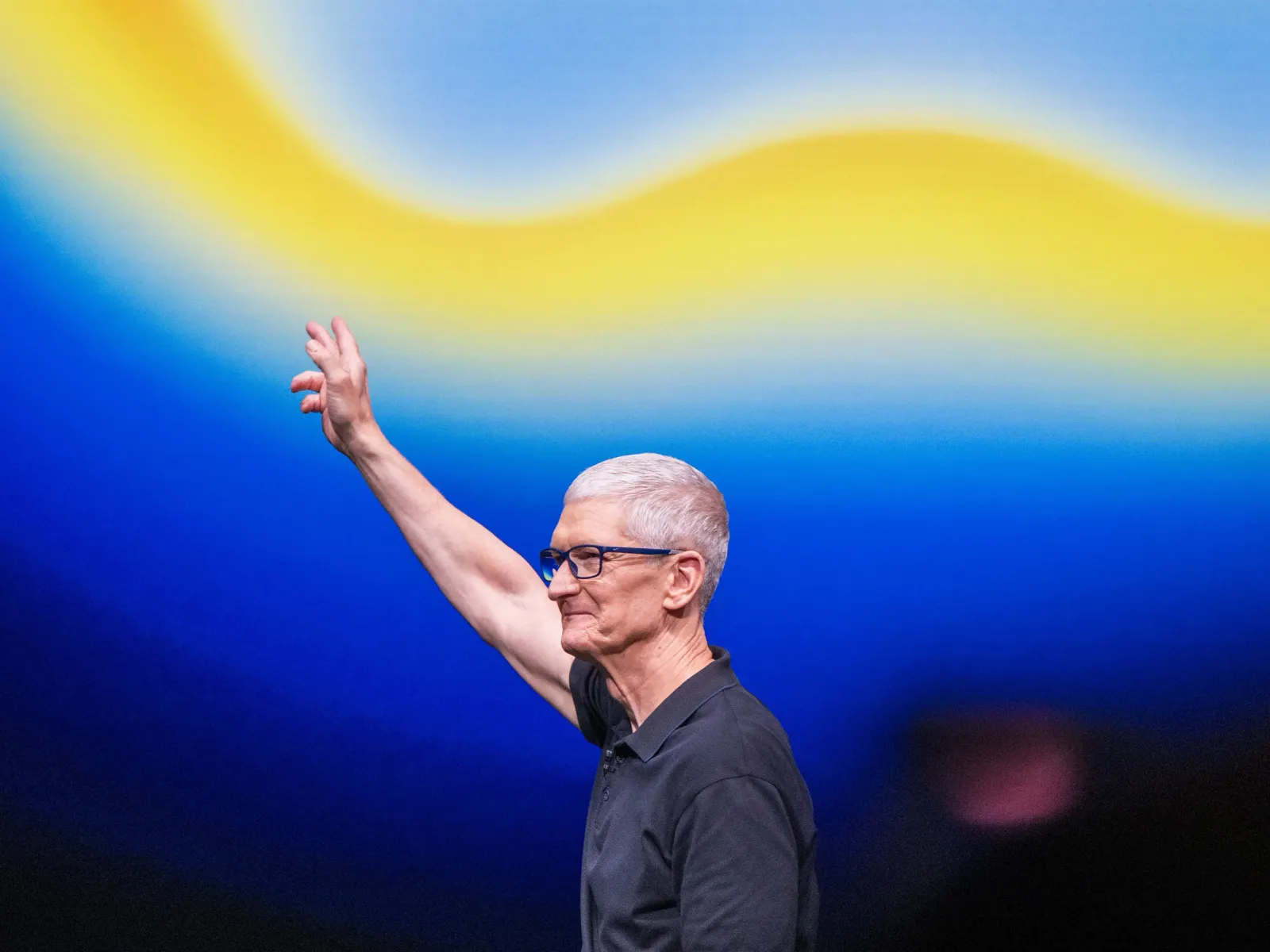
Tim Cook's 15-year Apple CEO run ends: 3 lessons for any successor
After 15 years, Tim Cook hands Apple to John Ternus - here's how he turned a $350B company into a $4.6T juggernaut.