

Hormuz mine-clearing claim: Iran denies, insurers keep premiums high
Analysts say mine clearance alone won't make shipping safe, leaving war-risk premiums elevated and transit uncertain.
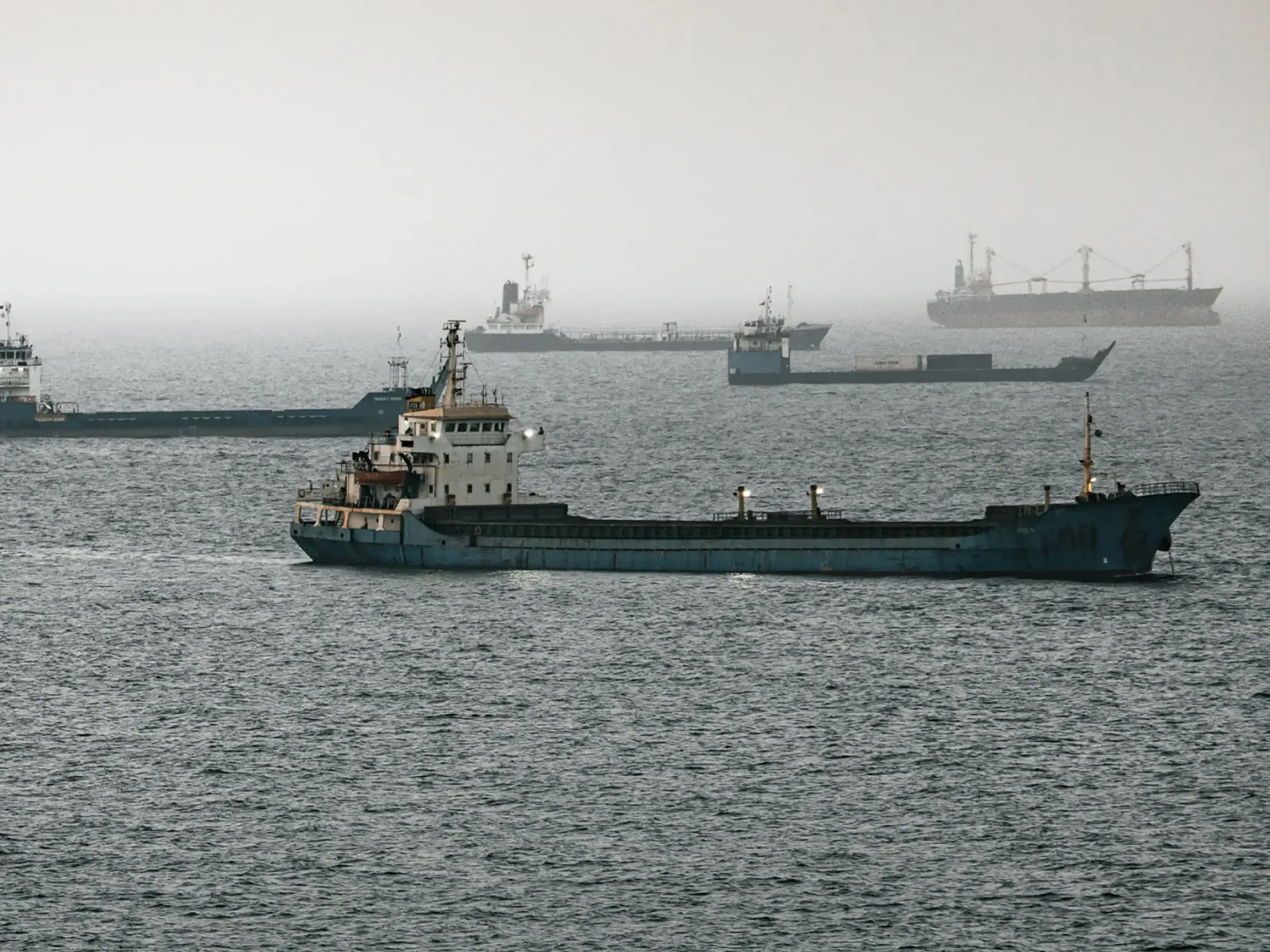
US President Donald Trump claimed all sea mines in the Strait of Hormuz have been removed, but Iran's Deputy Foreign Minister Kazem Gharibabadi denied the strait is open and dismissed the claim as market calming. Analysts say mine clearance in key lanes is credible but not a guarantee of safety, keeping war-risk insurance premiums high and commercial transit below pre-war levels.
US President Donald Trump declared on Tuesday that the US Navy has removed or detonated all sea mines in the Strait of Hormuz, the vital Gulf waterway that Iran effectively closed after US and Israeli attacks began nearly six months ago. But within 24 hours, Iran's Deputy Foreign Minister Kazem Gharibabadi pushed back, saying the strait remains closed despite a temporary transit-route agreement with Oman, and dismissed Trump's claim as "only aimed at calming the markets." The stakes for shippers and insurers are immediate: war-risk insurance costs for vessels traversing the strait have soared from between 1 and 3 percent of a ship's hull value to between 7.5 and 10 percent, according to an S&P Global report from July. Analysts say that even if the US assessment is credible for key shipping lanes, a single announcement will not bring premiums down or restore pre-war transit levels.
The insurance math explains why the market is not buying the clearance claim. A supertanker and its crude cargo can be worth about $300 million, so war-risk underwriters, oil companies, and tanker operators will demand sustained evidence that passage is safe before sending vessels back through the strait. Mark Hilborne, a senior lecturer in war studies at King's College London, told Al Jazeera that premiums "will not come down until there has been a protracted period of calm." He added that a single announcement, while welcome, will not trigger an immediate drop. The uncertainty is compounded by the absence of a ceasefire and the US announcing what it has described as an "economic D-Day" of sanctions against Iran, keeping the prospect of renewed open warfare alive.
The mine threat itself is far from binary. Iran has never outright confirmed it laid mines, but evidence emerged within weeks of the war's start in late February. On May 30, Oman's Maritime Security Centre warned of a suspected floating mine near its side of the strait. Three days later, US Secretary of State Marco Rubio told the Senate Foreign Relations Committee that Iran had "mined large segments of Hormuz - international waters." A June 11 notice from Germany's navy, citing US and British information, reported mines at four locations around the strait. Maritime analysts estimate Iran has a stockpile of between 2,000 and 6,000 mines, many domestically produced. Scott Savitz, a senior engineer at RAND, said Iran possesses both traditional moored contact mines and more sophisticated "influence mines" that sit on the seabed and trigger on a ship's magnetic or acoustic signature.
The US clearance operation has been substantial but not without gaps. CENTCOM initially made the claim, and Hilborne said there is "strong confidence" in the US assessment because the Navy has detonated a large number of mines using space-based surveillance, underwater drones, and by destroying several Iranian mine-laying vessels. However, the US Navy's dedicated mine-countermeasure capabilities had been weakened by years of neglect: its last four Avenger-class MCM ships in Bahrain were decommissioned in September, and its MH-53E Sea Dragon helicopters were phased out in August. The operation has relied on a combination of warships and unmanned systems, with two guided-missile destroyers entering the strait in April and underwater drones joining later. Even so, the Joint Maritime Information Center warned hours after Trump's statement of a "continued risk of drifting or uncharted mines" in and near the strait's traffic separation scheme, and the UK Maritime Trade Operations Centre said "mine-danger areas" are still active.
Analysts caution that clearing known mines in key lanes is not the same as guaranteeing every mine is gone. Hilborne noted that "it is possible that there are a few loose mines, or 'ghost' mines," and that some anchored mines could have broken free. "It is not particularly likely that there are any in the main shipping lanes due to the level of monitoring, but there may be risks beyond the lanes." More critically, Iran retains the ability to lay new mines at any time. "So while the shipping lanes might currently be clear, that does not mean that the threat has permanently disappeared," Hilborne said. The Foreign Policy Research Institute (FPRI) has highlighted the cost asymmetry: sophisticated modern mines can cost tens of thousands of dollars to manufacture, but the economic and strategic disruption they cause is far more expensive, because suspicion of just one mine can halt traffic.
The geopolitical backdrop remains volatile. Iran and Oman have agreed on a new transit route and a joint project to clear mines, but Gharibabadi insisted the strait is still closed. Iran's National Defence Council had warned in late February that any attempt by "the enemy" to target Iranian coasts or islands would lead to mining of the strait. With no ceasefire and sanctions escalating, the risk of renewed conflict is real. For shipping operators, the practical takeaway is that insurance premiums will stay high until a protracted period of calm is demonstrated. The US claim, while credible for the main lanes, does not address the broader threat environment, and the market is pricing that in. Until there is sustained evidence of safety, the Strait of Hormuz will remain a high-risk passage, and the cost of that risk will continue to be borne by shippers, insurers, and ultimately consumers of Gulf oil and gas.
This story's Key Insights and Take-aways are locked.
Create a free account to unlock Executive Actions for one credit.
Register to UnlockAlways free for Executives Club members. Join the Club
More in Business
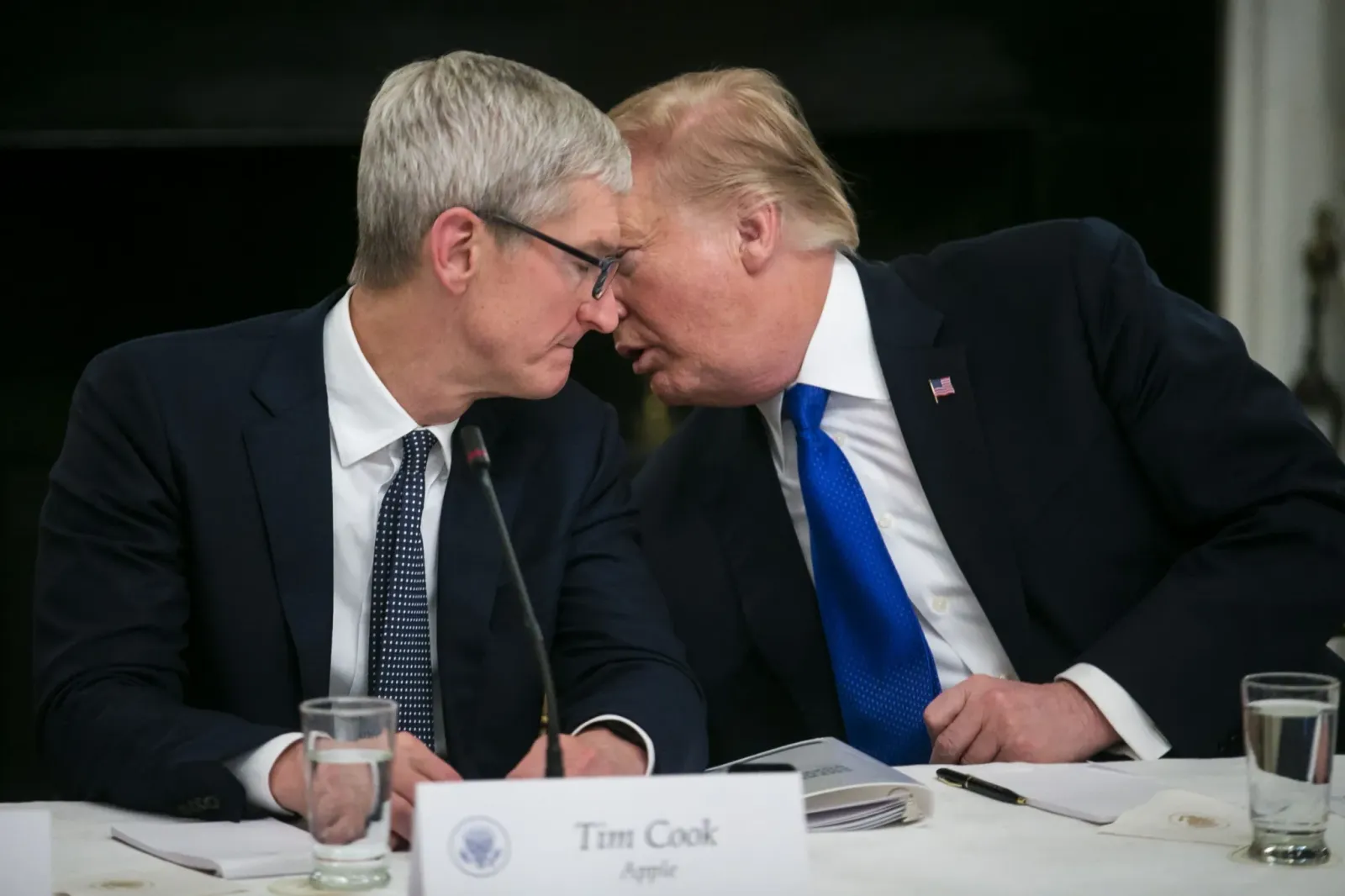
Tim Cook steps down as Apple CEO, stays on as chair with $45M equity
The 'Trump whisperer' keeps his White House and Beijing access as Apple navigates tariffs and a $4.6 trillion market cap.

Snowflake shares surge as AI data demand crushes estimates, lifting full-year forecast
Stocks jumped on stronger-than-expected guidance, signaling enterprise AI workloads are accelerating faster than Wall Street priced in.
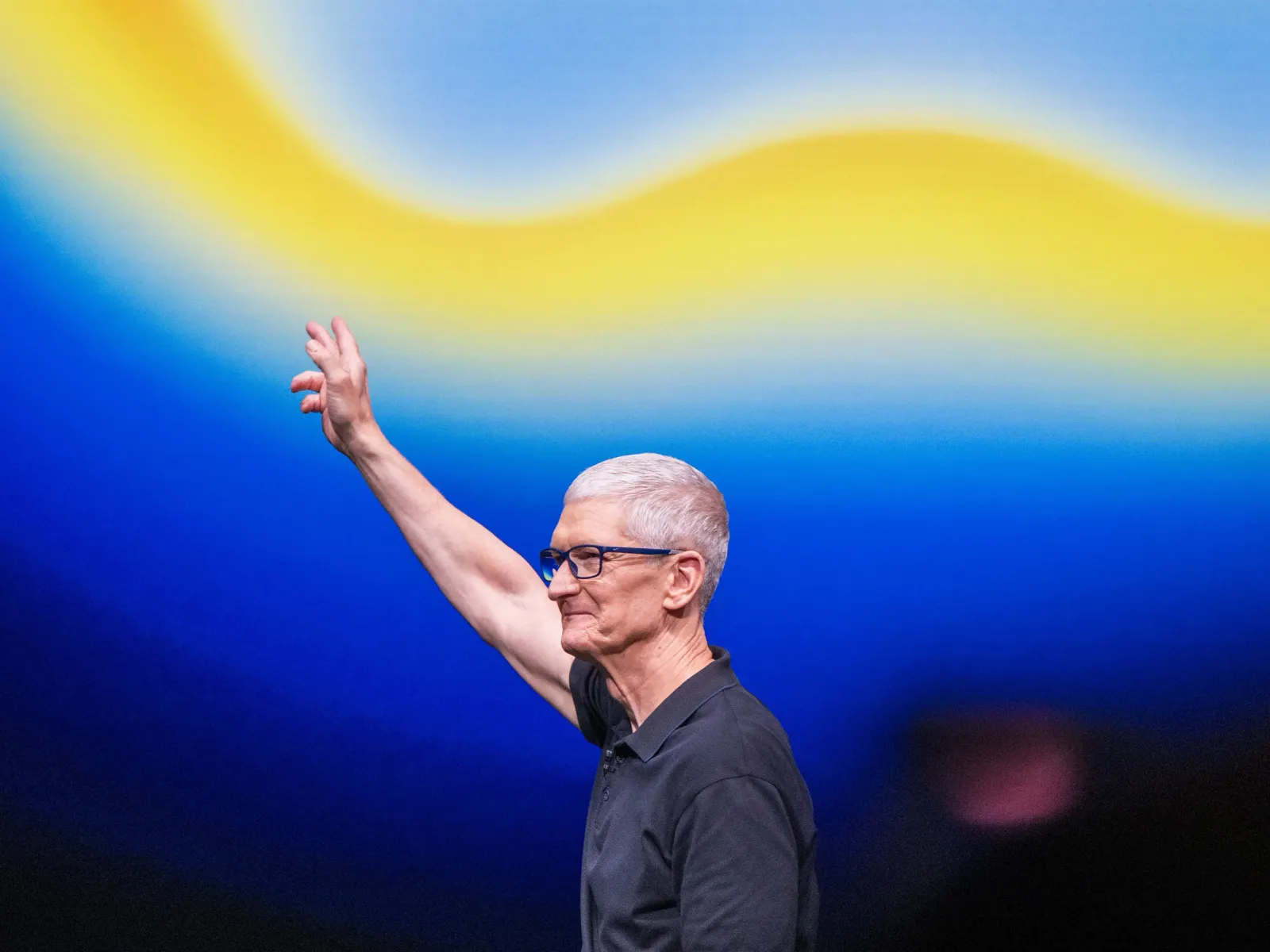
Tim Cook's 15-year Apple CEO run ends: 3 lessons for any successor
After 15 years, Tim Cook hands Apple to John Ternus - here's how he turned a $350B company into a $4.6T juggernaut.