
Hotel Barcelona hits Mostly Positive after White Owls scrubs AI assets in June patch
Suda51 and Swery65s collaboration escapes Steam Mixed status after an AI cleanup and a March Under New Management overhaul.
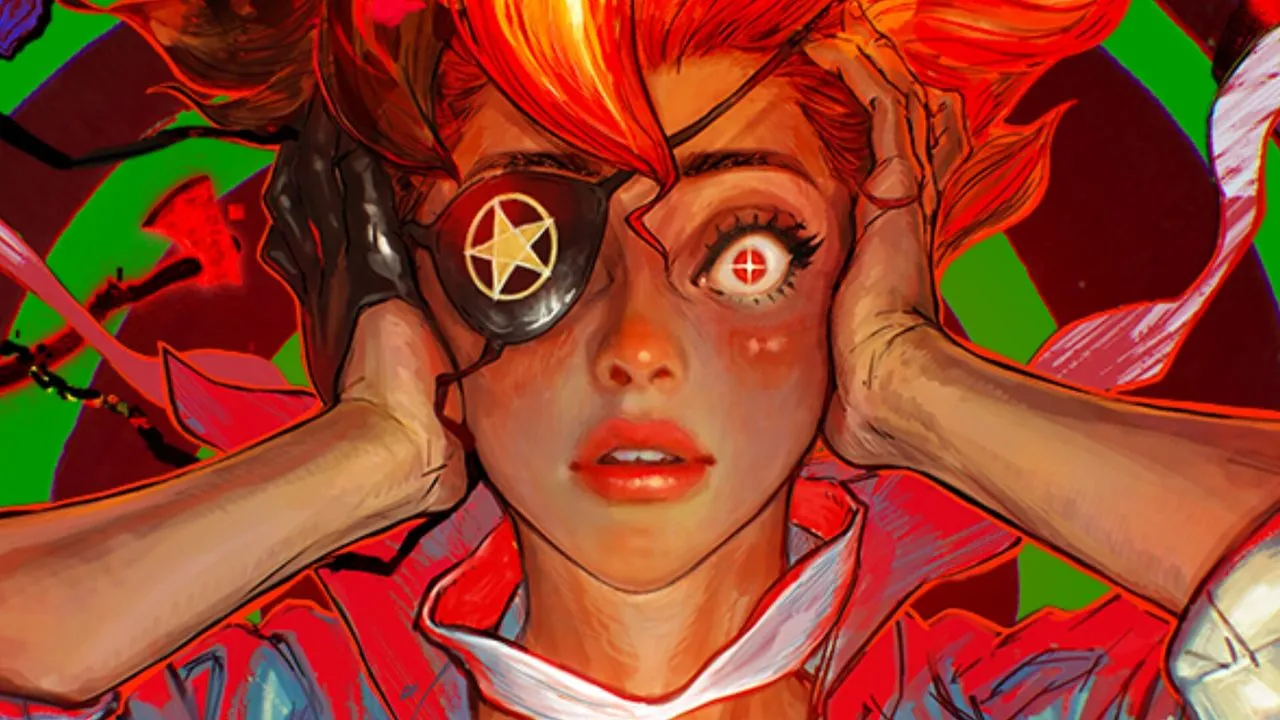
White Owls Inc. updated Hotel Barcelona, a Suda51 and Swery65 collaboration, pushing it from Steam Mixed to Mostly Positive after scrubbing controversial generative AI audio and visual assets. For decision-makers, the update is a real-time case study in how reputational risk, content provenance, and rapid post-launch iteration can swing user perception.
Hotel Barcelona has clawed its way out of Steam's “Mixed” user review status and into “Mostly Positive.” The jump landed after developer White Owls Inc. shipped a wave of changes, including cleaning up its controversial deployment of generative AI assets. In other words: the game that got stuck in a low-trust swamp after launch is now seeing the kind of review temperature publishers chase with both hands and a stopwatch.
This turnaround is explicitly tied to an “Under New Management” patch released in March, which Swery65 said was the main reason the reviews improved. The statement came alongside Swery65’s public celebration on Twitter, declaring, “The curse of MIXED is broken.” On June 8, 2026, the update showed up alongside a celebratory post: “WE DID IT!! HOTEL BARCELONA has finally escaped ‘Mixed’ on Steam and reached ‘Mostly Positive.’”
So what changed, specifically? According to the report, the patch in question reads like a wide-ranging “Hail Mary” in classic cyberpunk style. It wasn’t just a hotfix. It altered enemy balance and basic movement, effectively recalibrating the core feel of the sidescrolling roguelike action game. It also gave every player five free skins. Those are the kinds of moves that can do two things at once: address the mechanical reasons people leave bad reviews and add a tangible “we hear you” signal that can nudge lapsed buyers back into the conversation.
The other half of the rescue arc is the part that most directly connects to today’s broader content scrutiny: provenance and AI usage. The game faced a tepid response at launch. The PC Gamer piece notes that Joshua Wolens, a PCG news writer, accused it of “trying too hard.” But the real fuse was lit when players discovered AI-generated audio and visual assets tucked away late in the game. That discovery put Hotel Barcelona into the current-era argument over whether generative AI content should be used, how it should be disclosed, and what users expect from games in terms of process transparency.
In this story, the publisher reaction matters. CULT Games responded quickly to the discovery and apologized for the generative AI assets. Apologies do not automatically fix ratings, but rapid acknowledgment can reduce the sense that a developer is hiding something or treating the issue as a rounding error. And then the developer followed with actual changes, “cleaning up” that controversial generative AI deployment. The result appears to be measurable. The Steam community did what the community does: it moved from judgment to conditional forgiveness once the product changed and the content controversy was addressed.
The cast here also helps explain why the internet was particularly loud. Hotel Barcelona is a collaboration between Goichi “Suda51” Suda (No More Heroes, Killer7) and Hidetaka “Swery65” Suehiro (Deadly Premonition). This is the kind of pairing that attracts players who are already predisposed to forgive weirdness, but not necessarily forgive brokenness. The rocky launch was therefore extra painful: fans tuned in for the eccentric auteur energy, and instead encountered a launch that reviewers and players struggled to rally behind.
For executives and board-level readers, the strategic takeaway is not “use AI, then apologize, then win.” The takeaway is that Steam review status is a fast-moving feedback loop that can swing based on both gameplay and trust. When a game is early in its lifecycle, review clusters become marketing. They affect visibility, influence potential buyers, and shape how storefront algorithms treat a title. A jump from Mixed to Mostly Positive is a reputational improvement you can feel in conversion rates, community momentum, and word-of-mouth quality. It is also a reminder that post-launch operations are product operations.
It is also worth noting the timing. The Under New Management shift began in March, and the public celebration and observed review improvement show up by June 8, 2026. That is a relatively quick turnaround for a game rescue, especially when it involves both gameplay recalibration (enemy balance, movement) and content remediation (AI assets cleanup). In practical terms, it suggests White Owls and CULT Games treated the situation like an urgent operational problem, not a slow communications problem.
If you are leading a studio, investing in one, or sitting on a board, this is a compact case study in incentives. Developers need to ship updates that actually change player experience. Publishers need to manage perception quickly when the issue is trust, not just performance. Teams also need to be prepared for “late in the game” discoveries, because that is when players feel the most blindsided. Hotel Barcelona also carries a broader lesson for peers: modern launch risk is not limited to bugs and balance. It includes how content is made, how it is used, and whether remediation is fast enough to change the narrative before it hardens.
This story's Key Insights and Take-aways are locked.
Create a free account to unlock Executive Actions for one credit.
Register to UnlockAlways free for Executives Club members. Join the Club
More in Technology

OpenAI says 10,000 agents cracked a 90-year math problem in 88 hours
The company's claim is audacious, but one mathematician is pushing back. Here's what it means for AI-driven discovery.

Meta still serves child sexual abuse ads on Instagram in India - BBC report
A new report following the BBC Eye investigation says the ads are still there - what it signals for every platform with a self-serve ad engine.
White House yanks 'Build the Wall' game after Tetris Company copyright warning
The administration's arcade game vanished in hours - and the takedown playbook every brand can learn from.