

Huawei and Qualcomm sign multi-year patent deal covering 5G, AI, and more
The pact resets the competitive landscape for telecom and chip giants, with implications for every device maker and network operator.
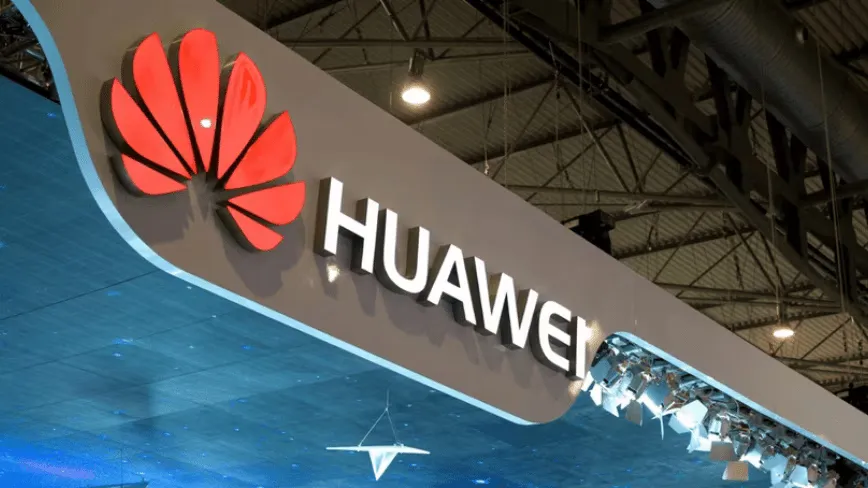
Huawei and Qualcomm have agreed to a multi-year patent licensing deal covering 5G, AI, computing, and networking, announced today. The agreement gives both companies a predictable revenue stream and signals a thaw in one of tech's most watched rivalries, with strategic implications for any firm holding essential patents.
Huawei and Qualcomm have signed a multi-year patent licensing deal covering 5G, AI, computing, and networking, the companies announced today. The agreement is a significant step for two firms that are often rivals in the telecom and semiconductor space, and it comes with a rare public endorsement from Huawei's Chief Intellectual Property Officer, Alan Fan, who said the deal 'demonstrates the value of Huawei's innovations' while also recognizing 'Qualcomm's foundational contributions to modern communication technologies.'
The deal's scope is broad: it spans 5G, AI, computing, and networking, which means both companies can now use each other's patented technologies without the risk of infringement lawsuits. For Huawei, this is a validation of its R&D investments, which have continued even as US sanctions have restricted its access to American chips and software. For Qualcomm, it's a reminder that its patent portfolio remains a cash cow, even as its chip sales face competition from the likes of Apple and MediaTek.
Patent licensing deals like this are the lifeblood of the telecom industry. Companies that hold standard-essential patents, technologies required to build products that comply with industry standards, typically agree to license them on fair, reasonable, and non-discriminatory (FRAND) terms. This deal appears to follow that model, covering multiple generations of technology and giving both parties a predictable revenue stream. For context, the global 5G patent market is expected to be worth billions of dollars annually, as every connected device from smartphones to industrial sensors will need to pay royalties to patent holders.
For Huawei, the agreement is particularly notable given its current position. The Chinese tech giant has been on the US Entity List since 2019, which restricts American companies from selling it certain technology. But patents are different: they are intellectual property, not physical goods, and licensing deals can proceed even under sanctions. This deal shows that Huawei's patent portfolio remains a source of strength, and that it can still monetize its innovations globally. Historically, Huawei was one of Qualcomm's largest customers for mobile chips, but US sanctions forced Huawei to pivot to its own Kirin processors and other suppliers. Now, the two companies are finding common ground in the IP arena.
Qualcomm, meanwhile, has built its business on two pillars: selling Snapdragon chips and licensing its vast patent portfolio. Licensing revenue is high-margin and provides a steady stream of cash, which is why the company has been aggressive in defending its IP in court. This multi-year deal with Huawei removes a potential legal headache and secures a long-term revenue source, which should please investors who have watched Qualcomm's licensing revenue fluctuate with legal battles. The deal also signals that Qualcomm is willing to cooperate with a company that is often seen as a geopolitical adversary, underscoring the commercial pragmatism that drives the tech industry.
The implications extend beyond the two companies. Every smartphone maker, network equipment vendor, and IoT device manufacturer that uses 5G, AI, or networking technology will be watching this deal closely. It sets a precedent for how two of the largest patent holders in the world can coexist without litigation, and it could encourage other companies to pursue cross-licensing agreements rather than costly lawsuits. For operators rolling out 5G networks, this means fewer legal uncertainties and potentially faster deployment. It also highlights the growing importance of AI and computing in the telecom space, as patents in those areas become as critical as traditional wireless patents.
For executives in adjacent industries, the takeaway is clear: patent portfolios are strategic assets that can generate revenue even when other parts of the business face headwinds. Huawei's ability to strike this deal despite US sanctions underscores the value of investing in R&D and building a defensible IP position. Qualcomm's willingness to sign a multi-year deal shows that even the most litigious companies prefer certainty over courtroom drama. The deal also raises the question of how other companies, such as Nokia and Ericsson, will respond. They hold significant 5G patent portfolios and may now face pressure to offer more flexible licensing terms to avoid being left out of similar arrangements.
What to watch next: the financial terms of the deal were not disclosed, but the multi-year nature suggests a significant commitment from both sides. As AI and computing become more central to telecom, expect more cross-licensing deals that blur the lines between industries. For now, this agreement is a win for both companies and a signal that in the world of patents, cooperation can be just as powerful as competition. For boards and CEOs, the lesson is to treat IP as a strategic asset that can open doors even when other channels are closed.
This story's Key Insights and Take-aways are locked.
Create a free account to unlock Executive Actions for one credit.
Register to UnlockAlways free for Executives Club members. Join the Club
More in Technology

A Chinese rocket deorbited over Minnesota and landed in a farmer's cornfield
Experts tied the fragment to LandSpace's Zhuque-2E, which launched on September 15 and shed debris over the American Midwest after deploying 10 satellites.

JPMorgan Chase deploys first $5B into defense tech and hypersonic missiles
The bank is moving off its balance sheet to back robot factories, hypersonic missiles, and supply chains, signaling a new era of bank-backed military innovation.

Cop fired after sharing Flock login with ICE husband: 983 searches
A Savannah officer's shared credential let an ICE agent run hundreds of plate searches on Hispanic drivers, exposing a surveillance backdoor.