

Hundred Nights: DIFU turns purgatory into an underworld ops simulator with D-Cash losses
A Two Point-style management loop, built on Chinese mythology, where staffing, decor, and punishment all affect your balance sheet.
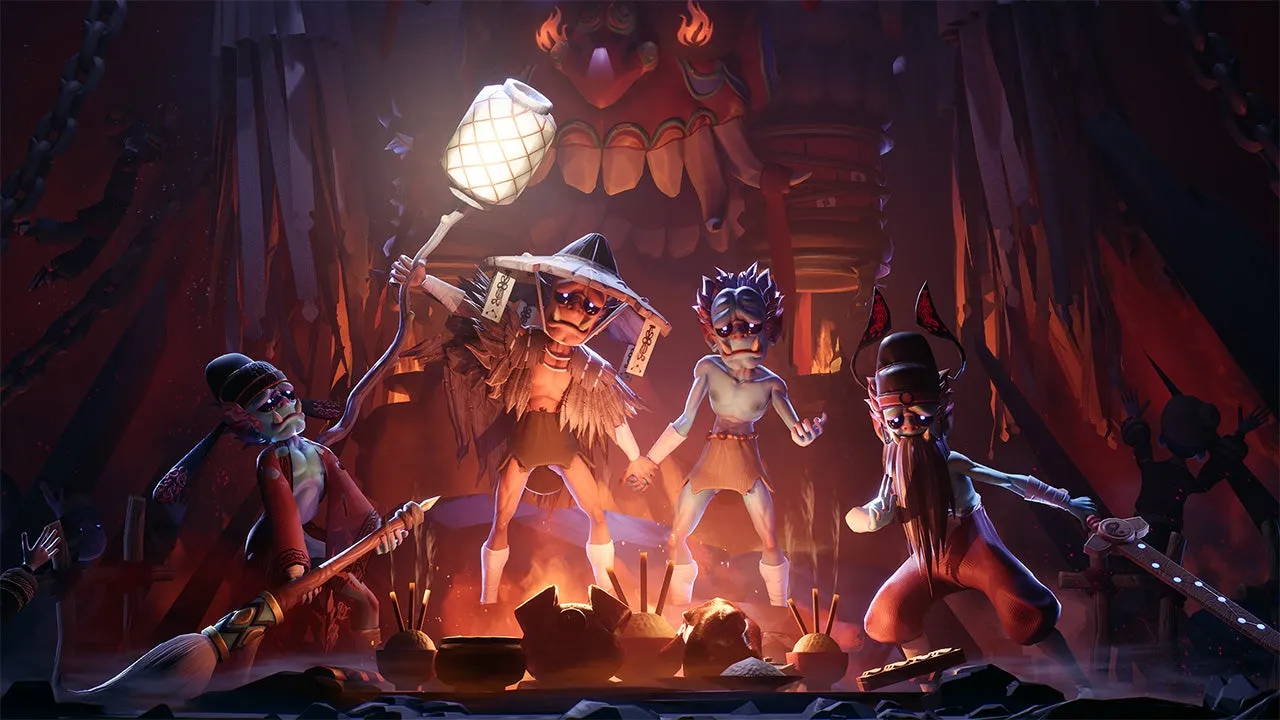
PixelsCove Games is building Hundred Nights: DIFU, a cheeky management game set in the Chinese afterlife underworld, where you run facilities and convert souls into D-Cash. For decision-makers, it is a case study in how “fun” systems can behave like real operations, because understaffing tanks cash and forces rapid reinvestment.
Hundred Nights: DIFU takes the concept of purgatory and makes it brutally, hilariously managerial. In the opening tutorial stages, the game drops you into literal hell as CEO of the underworld: you build facilities, staff them with hellbound helpers, judge souls for their sins, punish them, and then process them into D-Cash. If that sounds like a niche pitch, the feel is instantly familiar to anyone who has ever played Two Point Hospital or Two Point Museum: slap down the right rooms, keep the pipeline moving, and deal with chaos when people get impatient. The difference is the theme, and the theme has teeth.
The first 30 minutes of the singleplayer campaign focus on sculpting your own slice of subterranean maze, guided by an underworld assistant named Ox Head. You start by constructing a facility where souls can be judged, then you set up a queue system: a judge’s desk for your Soulkeeper to sit at, a zen pad for wandering souls to kneel and beg for redemption, and soon the punishment phase begins. Hundred Nights: DIFU makes the loop concrete: souls get hit, tickled, immobilized, and cleansed until their karma is converted into D-Cash. Then comes the reset step, with a bubbling Meng Po’s soup stand that forces souls to forget their previous life before rebirth. It is a management sim, but also a conveyor belt. And once you see it working, you start to notice how quickly it can break.
Here is the real incentive structure the preview reveals. The only way to earn more D-Cash is by processing souls, so every operational decision has a direct financial consequence. You can spend D-Cash to build and staff, but if your operation falls behind, costs compound. During the hands-on segment, the underworld is described as both understaffed and underdeveloped, and that is when the game turns from “cute tutorial” into “uh oh” territory. D-Cash reserves quickly plummet into the red. The fix is not a magic button. You have to respond systemically: hire roles to calm unrest and repair equipment, then push efficiency by upgrading the environment.
The preview spells out one of the most boardroom-relevant dynamics: capacity constraints create backlogs, which then create risk. Souls waiting in line can develop grudges and attack facilities. Broken facilities breed even more resentment amongst the hapless hordes. So what should be a throughput problem becomes a stability problem. The game addresses this with additional staffing: a soul tamer to calm them down and a hellbound handyman to run repairs on broken copper slappers. That swelling of staff is effective, but it also eats into D-Cash reserves. So the management choice is never just “hire.” It is “hire now, but understand the operating cost structure while you are still scaling throughput.”
Hundred Nights: DIFU also layers in an “ops upgrade” lever that plays like a surprisingly clean analog to workplace efficiency. To increase the D-Cash earned per soul redeemed, you boost decor, not just machines. The preview compares the vibe to Queer Eye for dead guys: stone lamps guide souls to each step, and rock statues boost the prestige of copper slappers in their vicinity. That matters because it changes your output without necessarily increasing your staff headcount immediately. In execution terms, it is a reminder that productivity in these systems is not only about headcount or facility count. It can be about workflow design and perceived quality that influences performance metrics, in this case D-Cash per processed soul.
Then the game moves from “single island” thinking to real expansion mechanics. To earn additional D-Cash, you already have to process souls efficiently, but to scale physically you also need the second currency: incense. Incense is earned from each soul you successfully rebirth, which means your rebirth pipeline is tied to your growth pipeline. With incense saved up, you can start adding additional islands using a terraforming tool. The preview describes manipulating each island’s circumference and height, anchoring islands together with two chained-together axes, and expanding real estate with floating chunks of earth, mountains, and caves. You then pack these zones with more soul-torturing tools like a cold claw to freeze bad karma out of the souls. In other words, the game is not only about managing queues. It is also about building a scalable footprint.
By the end of the hands-on session, the preview reports tangible progress: adding a cold claw to freeze bad karma, building a “soulstaraunt” because limbo still needs feeding, and earning a fourth promotion to senior executive. Promotions are not just fluff in this kind of loop. They signal more capacity, more facilities, and more room to keep pushing throughput even when demand spikes. The preview also mentions more variety in soul animations, and that each soulkeeper will have their own skills to build upon, increasing their abilities but also their monthly salaries. That salary increase is a classic double-edged sword for operators: stronger staff boosts output, but it also raises fixed costs, which makes cash flow discipline even more important when line congestion and repairs start to happen.
Finally, PixelsCove Games is explicitly thinking about longevity and content strategy. While Hundred Nights: DIFU is primarily focused on Eastern ideas of the afterlife, the developer says it is open to introducing interpretations of hell from other cultures via downloadable content after launch. That positions the game like a live-ops platform, where new themes and mechanics can refresh the same underlying operational core. The preview also points to story missions featuring recognizable characters, including Wukong, and to a roguelike minigame inspired by the fishing levels from Dave the Diver, where you go on excursions to other ancient realms to search for rare artifacts to exhibit inside your customized underworld. There is also an explicit goal to further flesh out terraforming, aiming for it to be similar to the PC diorama builder Tiny Glade, using procedural generation for more detailed flourishes and easier hellscape creation.
For executives and investors, the strategic takeaway is simple: Hundred Nights: DIFU is a satire on management, but its structure is real. It ties revenue to throughput, throughput to staffing and workflow stability, and stability to both operational capacity and environment design. The second-order risk is what always shows up in ops businesses: when queues grow, service quality drops, and breakdowns cascade. When the preview says D-Cash reserves plummeted into the red after being understaffed and underdeveloped, it is not just a joke about hell. It is an execution lesson dressed in mythological costumes. And if this is how the studio designs incentives, the same question applies to peers: can your system scale without letting backlog-driven chaos eat your cash first?
This story's Key Insights and Take-aways are locked.
Create a free account to unlock Executive Actions for one credit.
Register to UnlockAlways free for Executives Club members. Join the Club
More in Entertainment

Russell Brand's accuser 'bewildered and confused' as he denies 7 sex charges
The criminal case against the comedian is a live test of how media companies manage talent risk when serious allegations go public.

'It's a Magic Trick': Ballet Experts Say Rosalía's SNL Pose Is Impossible
Three ballet experts tell Rolling Stone Rosalía's gravity-defying SNL stillness shouldn't be possible - and why the debate is now part of the show.

Activision CMO: GTA 6 Will Boost Call of Duty, Not Bury It
Activision's top marketer says Rockstar's blockbuster will drive players back to consoles and into Modern Warfare 4, even as the company admits its recent strategy failed.