

Hyundai profit drops 21% as US tariffs bite, Nikkei says, supply chain disrupts results
The 21% fall links US tariff pressure and supply chain disruption to Hyundai’s earnings, reshaping auto pricing and planning.
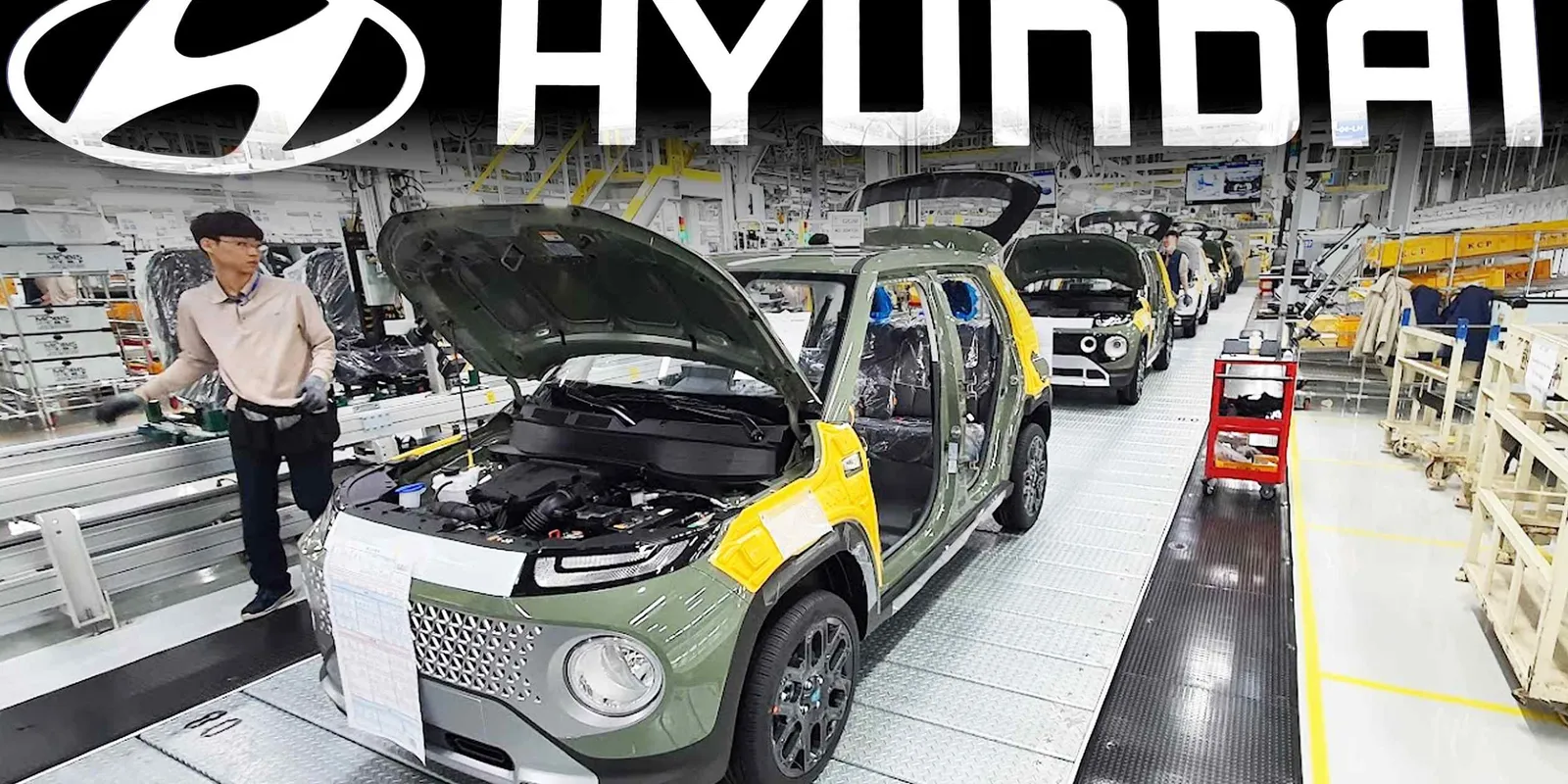
Hyundai’s profit fell 21% amid US tariffs and supply chain disruption, according to Nikkei Asia. For decision-makers, it signals how quickly trade policy and logistics shocks can flow into margins, cash planning, and product timing.
Hyundai’s profit fell 21%, and the reasons are as modern as they are brutal: US tariffs plus supply chain disruption. That combination does not just raise costs. It scrambles the math behind pricing, inventory, and production schedules, forcing management to absorb volatility instead of smoothing it out.
In other words, Hyundai is getting hit from two sides at once. The US tariffs directly pressure the economics of selling into a US-facing demand stream, while supply chain disruption makes it harder to deliver vehicles efficiently, at the right time, and with the right cost structure. When tariffs and disruption arrive together, they do not stack neatly. They compound. Margins get squeezed, operating leverage gets tested, and the usual tools for managing earnings pressure work less predictably.
To understand why this matters for executives beyond Hyundai, start with how automakers typically operate. Car companies run on long planning cycles and tight coordination across parts suppliers, shipping lanes, and production capacity. A disruption can mean delayed inputs, higher logistics spend, or production stop-start behavior. Even if demand stays solid, the company can lose flexibility, and that flexibility is often the difference between protecting margin and burning cash.
Now layer on tariffs. US tariffs function like an additional tax on cross-border trade, but in practice they show up in multiple places at once. They can change the landed cost of components or finished vehicles, and they can also affect how competitors price their offerings, which can force Hyundai to decide between keeping prices steady and protecting volume, or raising prices and risking demand. In tariff-heavy periods, the “right” pricing strategy becomes less about brand and more about who can get supply through the bottlenecks and who can absorb costs the longest.
This is where board-level scrutiny tends to intensify. Profit moving down 21% is not a vague trend line. It is a signal that the earnings bridge from revenue to margin has been disrupted. In similar situations, boards typically want clear answers on three fronts: how much of the margin decline is temporary versus structural, what management can do to offset tariffs or timing issues, and how the company is managing cash during the adjustment period. Even without inventing any company-specific internal debate, the pressure is usually the same. Earnings volatility threatens guidance credibility, financing assumptions, and investment timing across the product pipeline.
There is also a strategic pattern executives should watch across the auto industry. When one major manufacturer reports tariff-related profit pressure and supply chain disruption together, it often changes expectations for peers. Suppliers may revise their risk posture. Logistics partners may adjust capacity or pricing based on where demand is expected to concentrate. And management teams may accelerate decisions around sourcing diversification, regional production strategies, and inventory positioning. The second-order effect is that the market begins to price in similar fragility for other players with exposure to the same policy regime or the same logistical choke points.
For Hyundai specifically, the story told by Nikkei Asia is a reminder that global trade policy can move faster than corporate planning. Supply chain issues often behave like waves: you can see them coming in hindsight, but you often cannot prevent the next one from arriving on a timetable that fits no one’s calendar. Add tariffs, and you turn a cost problem into an execution problem. That is why the 21% drop is not just an “earnings headline.” It is a stress test of how resilient the operating model is under policy shocks and logistics uncertainty.
The stakes for decision-makers are straightforward. If you are an auto executive, investor, or board member, you care less about whether tariffs exist and more about what they do to the profit engine in the real world, where parts arrive late, freight costs fluctuate, and competitors negotiate their own tradeoffs. Hyundai’s reported 21% profit fall is a clear datapoint that trade and supply chain risks can collide, quickly, and leave management with narrower margins for error.
This story's Key Insights and Take-aways are locked.
Create a free account to unlock Executive Actions for one credit.
Register to UnlockAlways free for Executives Club members. Join the Club
More in Business

Anthropic’s Levant Alpöge cracks the Jacobian conjecture after 87 years
A Harvard valedictorian used Claude to hit a 1939 breakthrough, but the missing “why” is the real problem.

Uber buys Delivery Hero for nearly $15B, vaulting to top food delivery outside China
The deal doubles Uber's dual-services footprint and pushes a ride-and-eats bundling play into 50 more markets.

Epic and Google drop settlement bid, forcing rival Android app stores by July 22
Google told the court it is ready to carry third-party app stores starting Wednesday, July 22.