

Iason Gabriel at DeepMind asks what AI is, as geopolitics and markets squeeze ethics
The philosopher inside DeepMind AI explains why “thinking through” impact is getting harder, not easier.
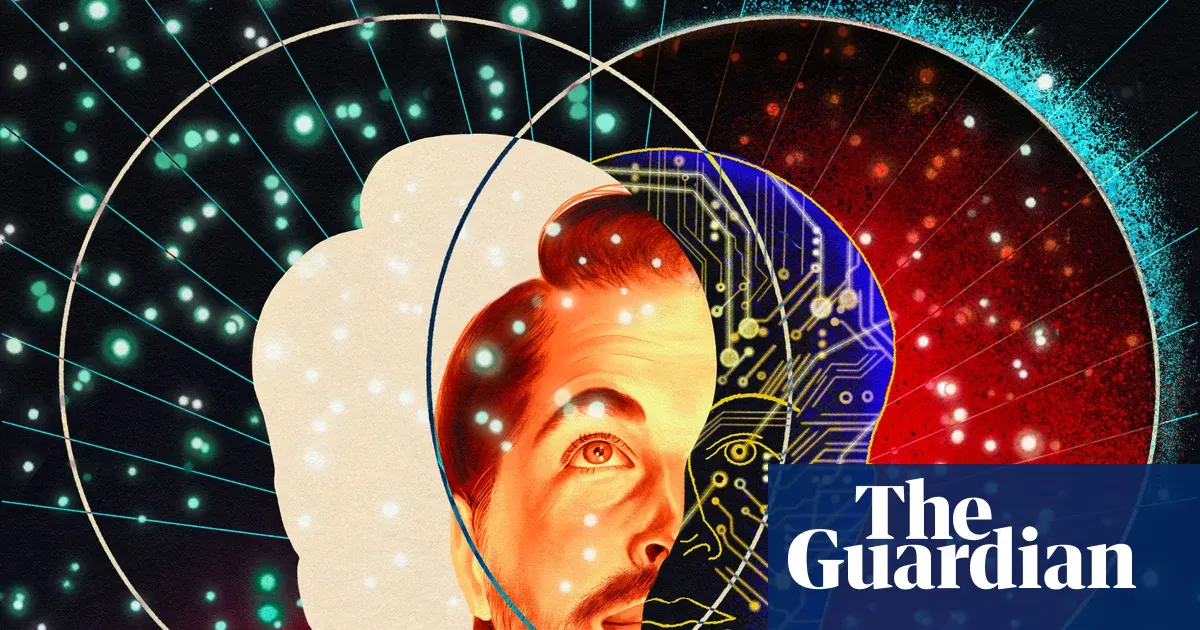
Iason Gabriel, a political philosopher who has worked at Google DeepMind since 2017, tries to anticipate the impact of AI while commercial and geopolitical pressures rise. For decision-makers, his role spotlights a harder question: can ethics influence how frontier AI is actually built when incentives and timelines tighten?
Since 2017, Iason Gabriel has worked at Google DeepMind, where he has been trying to anticipate and think through the impact of AI. The twist is that this is not a theoretical hobby. It is happening inside a London-based research operation that concentrates much of Google’s AI research, at the same time that commercial competition and geopolitical pressure are intensifying. Gabriel’s core problem, as framed in the piece, is blunt: can ethicists make any difference when the world around them is accelerating faster than their processes?
Gabriel did not start in AI ethics because the path was obvious. In 2017, at age 33, he was told by a friend that he ought to apply for a job at DeepMind. That referral mattered because it reveals the kind of talent problem DeepMind is implicitly navigating. Gabriel is described as a cheerful but intense junior academic with passions outside the typical tech lane: Vipassana meditation and what his brother calls “enthusiastic” rock climbing. He also had a background that made him well-suited for asking uncomfortable questions about moral tradeoffs, including work at the intersection of political theory and ethics.
Before DeepMind, Gabriel was at the University of Oxford. He was a fellow at St John’s College, taught courses on political theory, and wrote papers examining moral contortions he associated with “yuppie ethics” and the ethical blind spots of effective altruism. That matters because it signals his lens: not “ethics as vibes,” but ethics as something that can be distorted by incentives and oversight gaps. It also helps explain why his presence inside a frontier AI research shop is not just cultural garnish. It is an attempt to operationalize a discipline that academic work often treats as slower and more reflective, then bring that discipline into an industry that usually runs on speed.
The source also ties Gabriel to real-world crisis response. When he was not teaching, he did crisis work for the United Nations Development Programme in Sudan and Lebanon. That combination of academic ethics and field experience is important second-order context for executives. Frontier AI development is often discussed as a technical race, but the downstream harms and spillovers are frequently human and political. When models get deployed across borders, the “ethics” debate stops being abstract quickly. It becomes about who bears risk, what gets justified, and how quickly “mitigation” turns into “compliance.”
So what does it mean for an ethicist inside DeepMind to ask, effectively, whether they can shape outcomes as pressures escalate? Here, the piece points to a structural tension that many boards and risk committees recognize in other contexts. Commercial pressure pushes teams to ship. Geopolitical pressure pushes timelines and deployment decisions to serve strategic goals. In that environment, ethics teams can be relegated to checklists, or forced into a reactive stance. Gabriel’s framing suggests something harsher: the question is not whether ethics exists, but whether it has leverage.
For decision-makers, this is where the strategic stakes show up. Ethics roles often sound like internal credibility. They can also become internal friction, depending on how the organization treats disagreement. If leadership views ethics as a guardrail, the job becomes meaningful only if the guardrail can stop momentum. If ethics is viewed as a narrative layer, it becomes easy to ignore when the business model or national security logic demands action. Gabriel’s career profile is a reminder that “thinking through impact” can be sophisticated, but influence depends on governance design: how decisions are made, who can escalate concerns, and whether the incentive system rewards safety tradeoffs.
The deeper point is about how organizations handle uncertainty. The source frames Gabriel as someone trying to anticipate impact, which is essentially forecasting under ignorance. In AI, that gets harder because systems can behave in ways creators did not fully plan, and because adoption can outpace oversight. As pressure rises, ethicists face a moving target. They are asked to do moral reasoning while the environment changes around them, and while the organization’s priorities and external expectations tighten.
For peers building similar teams, Gabriel’s story is a practical signal. Adding an ethicist is not the end of the governance work. The organization has to answer a harder question: what happens when ethical analysis and strategic urgency collide. If the answer is “nothing,” ethics becomes decoration. If the answer is “sometimes it changes the plan,” then ethicists can actually matter. The source leaves you with that reckoning in mind, even as it focuses on one person’s path into a highly competitive, high-stakes AI lab.
This story's Key Insights and Take-aways are locked.
Create a free account to unlock Executive Actions for one credit.
Register to UnlockAlways free for Executives Club members. Join the Club
More in Technology

Chip rally pumps $2T into Micron, Intel, and AMD as AI demand broadens
In Q2, record gains added $2 trillion across Micron, Intel, and AMD, signaling AI momentum is spreading beyond Nvidia.

Palo Alto and CrowdStrike report their best quarters yet, as AI ramps cyber demand
Identity security is getting pulled into the spotlight while AI agents multiply, forcing boards to rethink cyber priorities.
DeepMind trio’s EquiLibre tops $500M valuation as quant hedge funds start paying
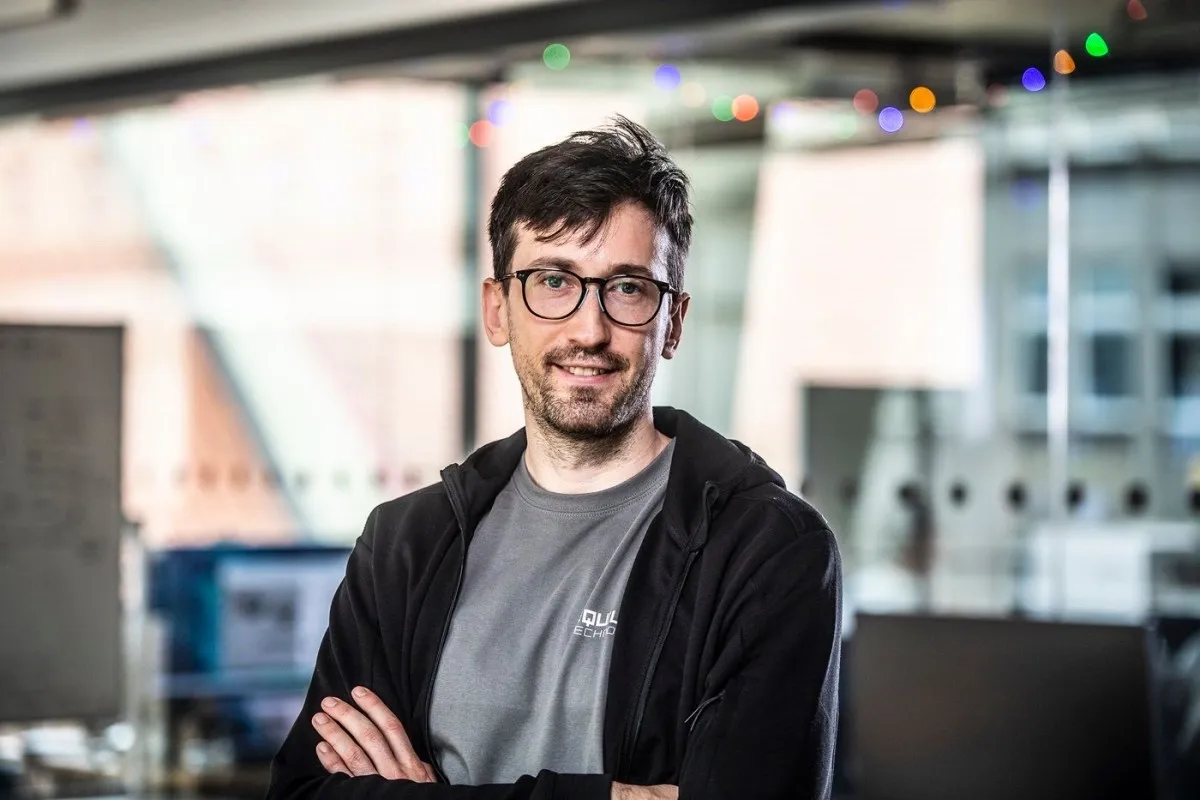
Prague AI lab EquiLibre, built by three ex-DeepMind researchers, is valued above $500M and monetizing poker-style AI.