
id Tech staff cuts may leave engine support “in the trash can,” contradicting Microsoft
A Game Developer report describes layoffs that could make id Tech maintenance nearly impossible, despite Microsoft’s reassurances.
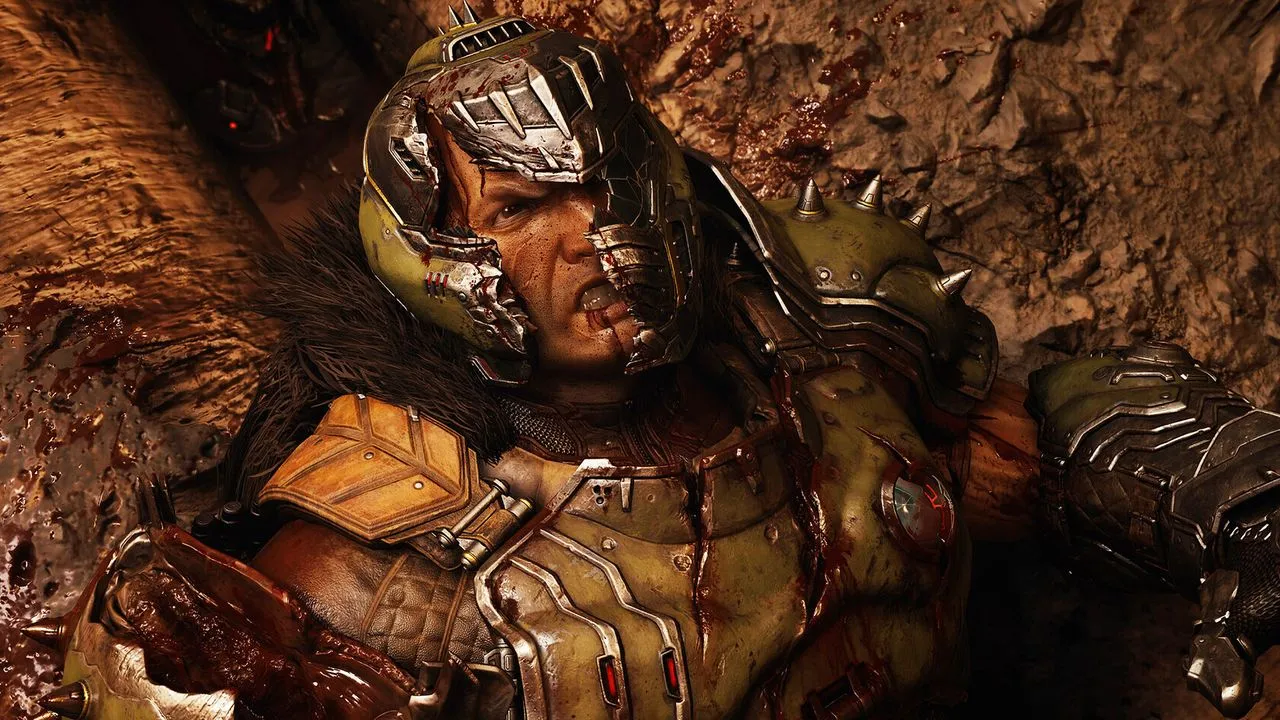
id Software has been hit by Xbox-related layoffs, including 136 job cuts, after Microsoft tried to reassure outlets that id Tech would not be sidelined. A Game Developer report quoting a laid-off id Software worker suggests the layoffs removed the people who could fix and maintain id Tech, raising new questions for Microsoft’s Unreal direction.
Microsoft’s attempt to calm fears about id Software and id Tech is running into a messy counter-narrative: a Game Developer report, citing an id Software worker who was laid off, claims the people needed to maintain id Tech were removed. That worker says it is “most likely going to end up in the trash can,” adding that the studio’s situation feels like “success is detached from your ability to keep a job.”
This directly targets the big anxiety PC and console developers have had during Microsoft’s Xbox “reset”: not whether id Tech still exists, but whether it can realistically survive in a post-layoff environment. Windows Central previously reported that Microsoft told them “There are dozens of people working on id Tech across multiple locations,” and that reports about “only one person left in Texas” are inaccurate. The Game Developer account challenges that comfort with a much darker picture of what remains after last week’s “massacre” of cuts.
Zoom out and you can see why this matters more than engine trivia. id Software is not just a brand name. It is a rare studio with a long history of building and maintaining its own technology stack, including id Tech. When industry chatter shifts toward Unreal Engine as the default path, the question becomes strategic capacity: can a studio keep shipping with its own engine, or does it effectively lose the ability to evolve, troubleshoot, and support it? In PC Gamer’s context, this is framed as a potential loss for performance and production workflow, with a colleague describing id Tech as “runs like a greased-up bat hurtling out of hell” while competitors lean on “AI upscalers to crack 30 frames per second.” That’s the sort of technical advantage studios care about because it shows up in gameplay feel and customer expectations.
But the story is not only about technology. It is about incentives, messaging, and what happens when a company wants two things at once: reassure the market and preserve internal morale. Microsoft attempted to counter the idea that id Tech would be “scuppered in favour of Unreal Engine” by speaking both through “official studio channels” and via a statement Windows Central published last week. Meanwhile, the lived reality described by a laid-off worker comes through anonymously, which matters because the speaker is no longer constrained by an internal job risk. In other words, the tension is not just “Unreal versus id Tech.” It is “corporate reassurance versus operational capability after layoffs.”
The Game Developer report, as summarized here, describes what happened to specific teams tied to id Tech. The laid-off worker says Microsoft’s cuts removed “all the people who could ever fix, maintain, or change [id Tech].” They also claim the institutional knowledge on the id Tech side is “immense,” and that they “cannot imagine a path forward where they make another game in id Tech.” On top of that, the worker describes the VFX team as having “five members,” including the lead, and says the technical art and design portion of the department now has “its lead. That’s it.” All other four members were let go. Taken together, these details point to a second-order risk executives often underestimate during restructurings: when layoffs reduce headcount, they often reduce continuity. Even if the codebase still exists, maintaining and safely changing it is a knowledge problem as much as a headcount problem.
This is also a reminder of how brutal the current labor environment is for game development. The source notes it is “a historically terrible time in the industry to be looking for work,” referencing the volume of talent “sloughed out” of mainstream studios over the past few years. That context matters because it affects what insiders are willing or able to say. If employment prospects are scarce, and the worker is already out, the risk calculus changes. For boards and investors, that is a reason to pay attention to these accounts even when they are anecdotal or anonymous. They can reflect real operational conditions even if they cannot be audited line-by-line.
So where does the strategic stake land for decision-makers who are not Microsoft? In game studios, engine strategy is never just a tech decision. It is a capacity decision, a labor decision, and a credibility decision. When a company publicly claims there are “dozens of people working on id Tech across multiple locations,” that is meant to stabilize confidence among staff, partners, and fans. When a detailed report argues that maintenance and change capability has been stripped away, confidence destabilizes in a different direction: what was promised may exist on paper, but what is required to execute may be gone.
For peers facing their own reorganizations, the second-order lesson is clear. Messaging can outrun reality for a while, but outcomes catch up fast. If teams lose the ability to support an in-house engine, future production can become slower, more expensive, or forced into a different stack. That is where “engine ownership” transitions from a strategic asset into a liability. Whether id Software can still make another game in id Tech will be proven later. But the contrast between Microsoft’s stated optimism and the account of layoffs described as success detached from job security is already providing a far sharper signal about what may have been lost, and how difficult it could be to rebuild.
This story's Key Insights and Take-aways are locked.
Create a free account to unlock Executive Actions for one credit.
Register to UnlockAlways free for Executives Club members. Join the Club
More in Technology

Google quietly links your phone number to every Android account on your SIM
Adding a SIM now ties your phone number to all Google accounts - and future accounts inherit it. Here's the security and privacy stakes.

Hijacker AI 'Skynet mode' runs 100,000 attack steps against exposed models
Symantec caught a criminal AI agent that borrows other models, steals data, and mines crypto; the only relief is no confirmed victims yet.

Nvidia's AI-financier shift faces its first big test as neoclouds stumble
A rout in neocloud stocks is forcing investors to weigh Nvidia's hidden exposure as both supplier and lender to the AI buildout.