
Ikko MindOne Pro’s “square” concept can’t survive real-world use
A delightfully small phone and clever accessories still add up to a miss after multiple setups.
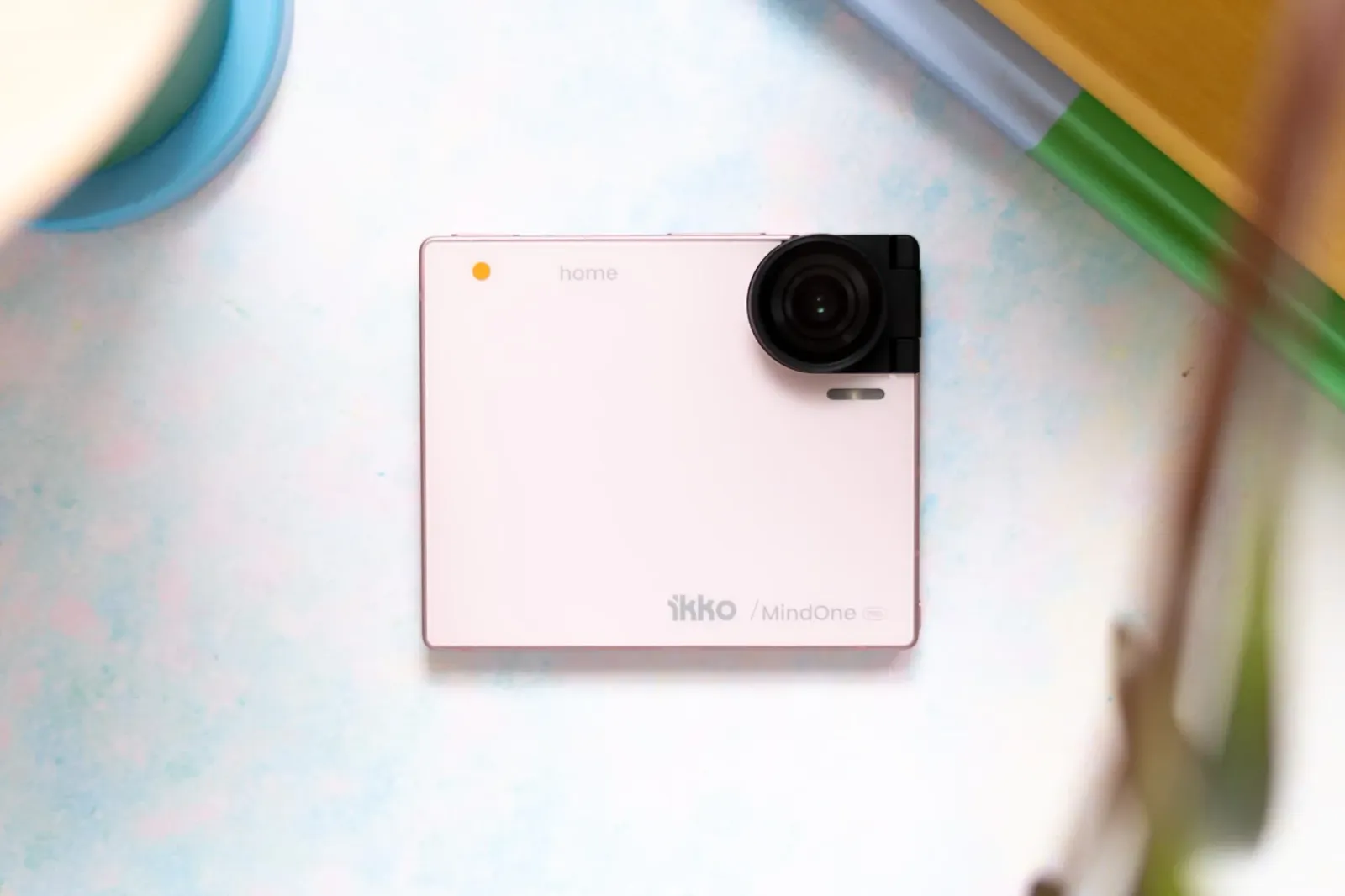
The Ikko MindOne Pro is a tiny, square-screen concept phone with a flip-up camera and optional keyboard accessory. In real use, reviewers couldn’t make any configuration work as a convincing everyday device.
The Ikko MindOne Pro looks like it was designed in a sketchbook with a specific goal: be delightfully small, with a square-ish identity that stands out instantly. The reality is less flattering. After trying it multiple ways, the result is a simple verdict from the source: “this phone is a miss no matter how you look at it.”
What makes that conclusion hit harder is how many different paths the reviewer took to make it work. They used it like a normal phone. They downloaded a minimalist launcher and tried using it as a kind of dumb phone. They put the keyboard case on, then took the keyboard case off. Each attempt failed to change the ending. In other words, the problem is not preference or one-off bad luck. It is the fundamental mismatch between the concept and daily practicality.
Let’s break down the actual idea, because it genuinely sounds clever on paper. The device is small enough that the reviewer keeps calling it a “square phone,” though the screen is square while the body is slightly rectangular. That matters because it signals the phone’s core design tradeoff: form factor over conventional ergonomics. The camera flips up for selfies, and the reviewer notes you can open it partway to use it as a stand or like a PopSocket. These are the kinds of modular conveniences that concept phones often get right in demos, where controlled angles and single-purpose use cases can look seamless.
Then there is the accessory ecosystem, which is where this phone makes its most “why didn’t anyone do this?” moves. There is a Clicks-style keyboard accessory, plus what the reviewer describes as a magnetic ring and a headphone jack. That combination tries to solve the three daily friction points that small, design-forward phones typically face: typing, attaching accessories, and preserving traditional audio connectivity without adapters. If the phone itself delivered a smooth base experience, these extras could have been the difference between novelty and utility.
But the source is clear: none of the setups produced a satisfactory experience. The reviewer explicitly cycles through typical usage modes and still lands on the same outcome. They used it like a normal phone. They tried the “dumb phone” angle with a minimalist launcher. They tested the keyboard case with the accessory ecosystem in play, then removed it to see if the core device would feel better without the extra layer. The failure of all those approaches points to a second-order issue executives should care about: when the core user journey cannot be repaired by changing software skin, accessory attachment, or usage philosophy, the product is not just “imperfect.” It is structurally off.
Now zoom out to the market reality behind concept-to-consumer risk. Mobile hardware is brutally sensitive to small compromises. Battery constraints, screen legibility, touch target precision, software polish, camera UX, and physical controls all have to line up every day, not just for a spec sheet or a short hands-on. When a product tries to win attention through a unique shape, a flip mechanism, and accessory-driven functionality, the user experience needs to be extra coherent because you are asking people to adapt. The reviewer’s inability to “like it” across normal, minimalist, and keyboard-assisted modes suggests that coherence did not arrive.
There is also an important boardroom subtext here. In the world of consumer tech, differentiation is expensive. If a company spends engineering effort on modular gimmicks like a flip-up camera stance and magnetic-ring accessories, it still has to meet baseline usability. Otherwise, the market does not reward experimentation. It just moves on. The source does not mention regulatory developments or supply-chain constraints, so we should not pretend there are policy levers involved. But the product lesson still matters for risk management: over-indexing on a single “signature feature” can backfire if the rest of the interface and everyday flow do not hold up.
For executives and operators evaluating product strategy, this is a clean example of why “great concept, flat execution” is not a marketing problem. It is a product system problem. When the reviewer can try it three ways and still call it a miss, you learn something about customer tolerance: people will not troubleshoot a phone into competence. They expect competence to come pre-installed. The strategic stakes for peers are simple. If you are building a non-standard device, you need rigorous real-world validation across multiple user modes, not just functional demos. Because when the concept depends on accessories and posture-friendly mechanisms, your worst enemy is exactly what the reviewer did: putting it in someone’s pocket and living with it like it is supposed to be lived with.
This story's Key Insights and Take-aways are locked.
Create a free account to unlock Executive Actions for one credit.
Register to UnlockAlways free for Executives Club members. Join the Club
More in Technology

Nvidia's $89B data center quarter: the 9 companies cashing in
The AI buildout is minting fortunes beyond GPUs, and memory, cloud, and cooling suppliers are riding the same wave.

Google quietly links your phone number to every Android account on your SIM
Adding a SIM now ties your phone number to all Google accounts - and future accounts inherit it. Here's the security and privacy stakes.

Hijacker AI 'Skynet mode' runs 100,000 attack steps against exposed models
Symantec caught a criminal AI agent that borrows other models, steals data, and mines crypto; the only relief is no confirmed victims yet.